Beijing moves to steady A-share market after sharp tech sell-off
China’s top securities regulator has signalled fresh support for the domestic A-share market, convening a symposium over the weekend as authorities sought to shore up sentiment following a sharp sell-off in technology shares driven by concerns over US sanctions. The China Securities Regulatory Commission (CSRC) brought together executives from listed companies and experts from securities firms…
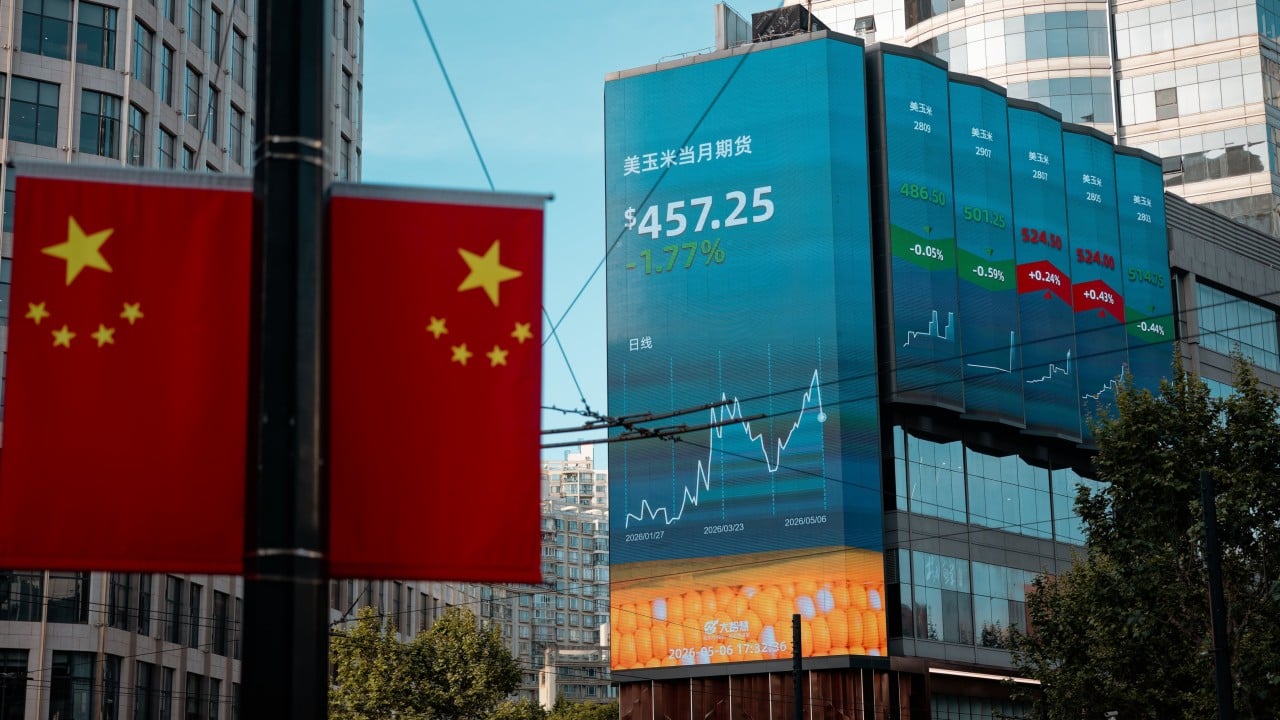
In a coordinated effort to bolster confidence in China's A-share market, the China Securities Regulatory Commission (CSRC) convened a symposium on Saturday. The gathering brought together industry executives, securities firm representatives, and fund managers to delve into the current state of the capital markets and financial conditions. CSRC Chairman Wu Qing presided over the discussions, soliciting input on how to navigate the market environment.
The symposium took place amid a notable market correction. The CSI 300 Index saw a 12% decline during the third quarter, primarily driven by a steep 31% drop in the tech-heavy Star Market 50 index. The sell-off persisted even after the week-long National Day holiday. Trading activity on Friday saw the ChiNext Index dip below the 3,000-point mark, while the Star 50 index fell over 4%, sliding under 1,400 points.
However, both indices rebounded later that day, closing marginally higher due to significant buying, which some traders attributed to government-backed funds.
This was not the first such symposium this year. Following a sharp market correction in July, Wu Qing also facilitated a meeting with investors aimed at regaining confidence. The market subsequently stabilized with government support and fresh capital inflows. No new policy measures were announced during Saturday's symposium. Wu Qing called on listed companies and industry institutions to provide suggestions and collaborate in enhancing the capital market and maximizing returns for investors.
Experts participating in the meeting proposed bolstering market-stabilization mechanisms, expanding channels for medium- and long-term funds, and cultivating "patient capital" that could invest over extended periods. They also advocated for eligible listed companies to increase dividends and share buybacks, improve investor protection, refine listing rules, enhance trading supervision, and strengthen cross-border risk monitoring.
Beijing's regulatory push coincided with an interesting shift in global active funds' allocation toward Chinese equities. Institutions such as Bank of America noted a transition away from underweight positions in Chinese stocks, gravitating instead towards benchmark-neutral allocations. However, Chinese investment banks including CCB International and Zheshang Securities cautioned that mainland and Hong Kong equities faced a challenging fourth quarter.
Analysts anticipated markets to remain within a tight range, given persistent expectations of higher US interest rates, restricted global liquidity, and evolving sentiment towards artificial intelligence-related stocks.
Written by urgent.news from SCMP Tech's reporting — not their text. Machine-written — may contain errors; check the original before relying on it.
This story
This is one outlet's version. Read the fullest account.