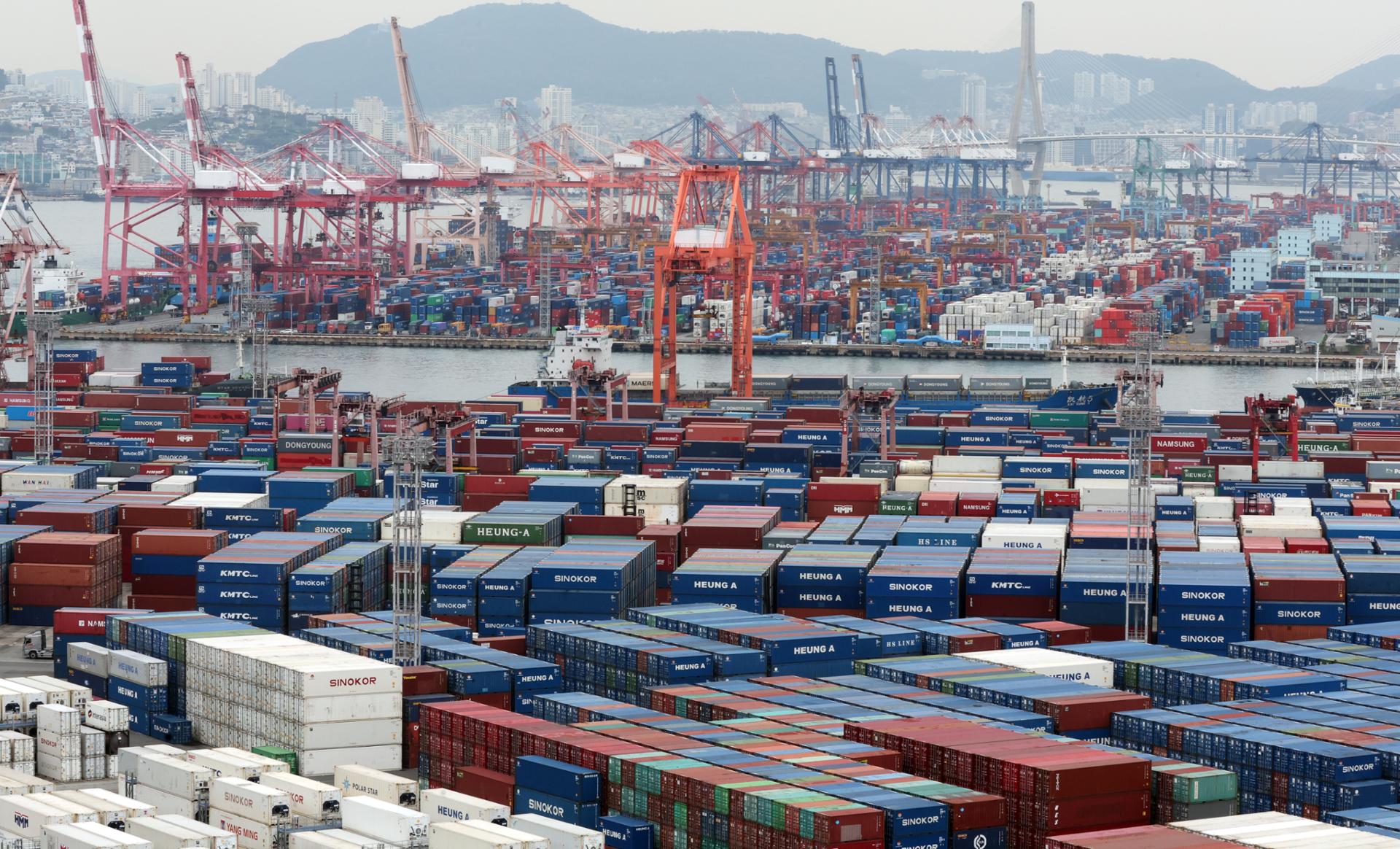
Beijing moves to steady A-share market after sharp tech sell-off
China’s top securities regulator has signalled fresh support for the domestic A-share market, convening a symposium over the weekend as authorities sought to shore up sentiment following a sharp sell-off in technology shares driven by concerns over US sanctions. The China Securities Regulatory Commission (CSRC) brought together executives from listed companies and experts from securities firms…
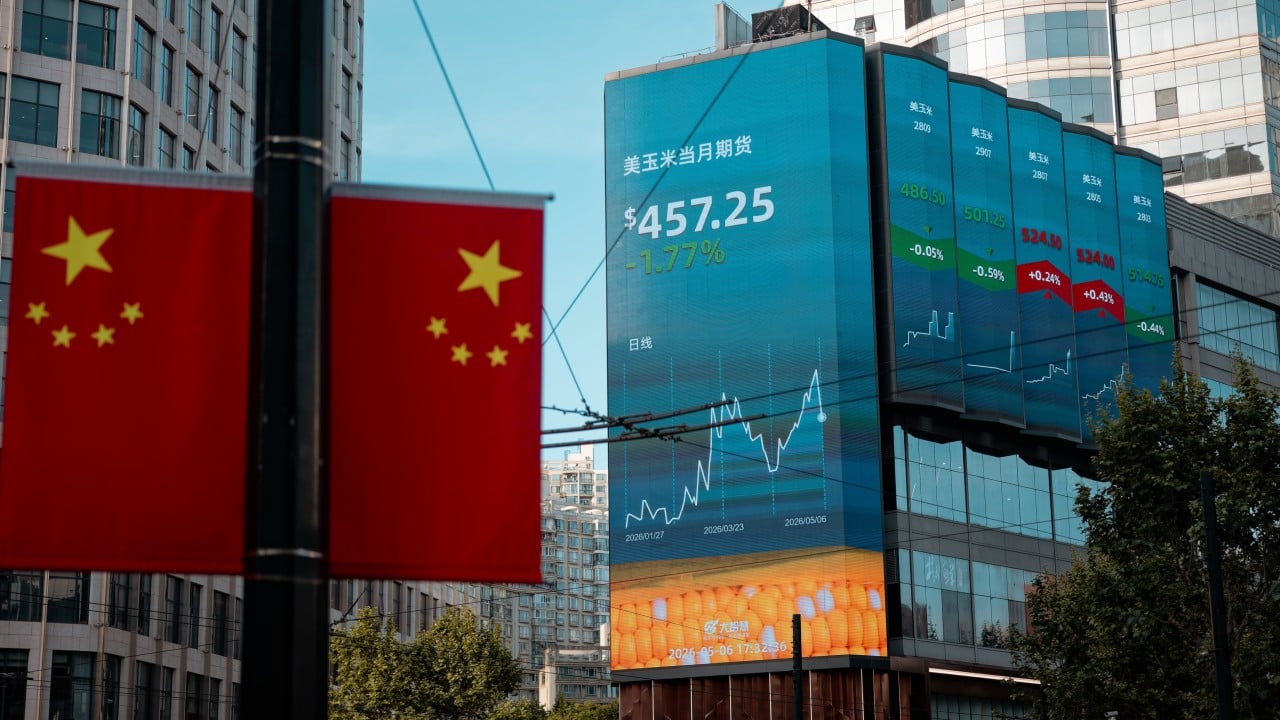
Beijing is taking steps to stabilize the A-share market after a significant decline in technology shares triggered by concerns over US sanctions. The China Securities Regulatory Commission (CSRC) convened a symposium on Saturday to discuss the country's capital markets and financial conditions with executives, experts, and fund managers. CSRC Chairman Wu Qing led the meeting, seeking input on the current market environment.
The market correction was evident in the sharp fall of China's CSI 300 Index, which dropped 12% in the third quarter, with the tech-heavy Star Market 50 index leading the decline at 31%. Selling pressure continued following the National Day holiday, with the ChiNext Index briefly hitting below 3,000 points during intraday trading on Friday. However, the index recovered slightly, closing higher amid increased buying, which some attributed to government-backed funds.
This was not the first symposium of its kind this year. In July, following a market correction, Wu chaired another meeting with investors to boost confidence, which helped stabilize the market after policy support and fresh capital inflows. No new policy measures were announced during Saturday's symposium. Wu urged listed companies and industry institutions to provide suggestions and work together to improve the capital market and deliver better returns to investors.
Experts participating in the meeting proposed strengthening market stabilization mechanisms, expanding channels for medium- and long-term funds, and developing "patient capital" for longer-term investments. They also called for eligible listed companies to increase dividends and share buybacks, improve investor protection, optimize listing rules, enhance trading supervision, and strengthen cross-border risk monitoring.
The regulatory efforts to stabilize the A-share market coincided with signs that global active funds were ending their four-year underweight position on Chinese equities. Institutions like Bank of America pointed to a shift towards benchmark-neutral allocations. However, Chinese investment banks warned of a challenging fourth quarter for mainland and Hong Kong equities, with analysts anticipating range-bound markets due to persistent concerns about higher US interest rates, tight global liquidity, and a changing sentiment towards artificial intelligence-related stocks.
Written by urgent.news from SCMP Business's reporting — not their text. Machine-written — may contain errors; check the original before relying on it.