Why Torrevieja’s Lagoon Turns Pink
High salt levels and microorganisms adapted to extreme conditions create one of the most striking landscapes in Alicante province. At first glance, it can look like a retouched photograph. The water stretches across the landscape in shades of pink, ranging from pale tones to more intense colours depending on the light and conditions in the […] The post Why Torrevieja’s Lagoon Turns Pink appeared…
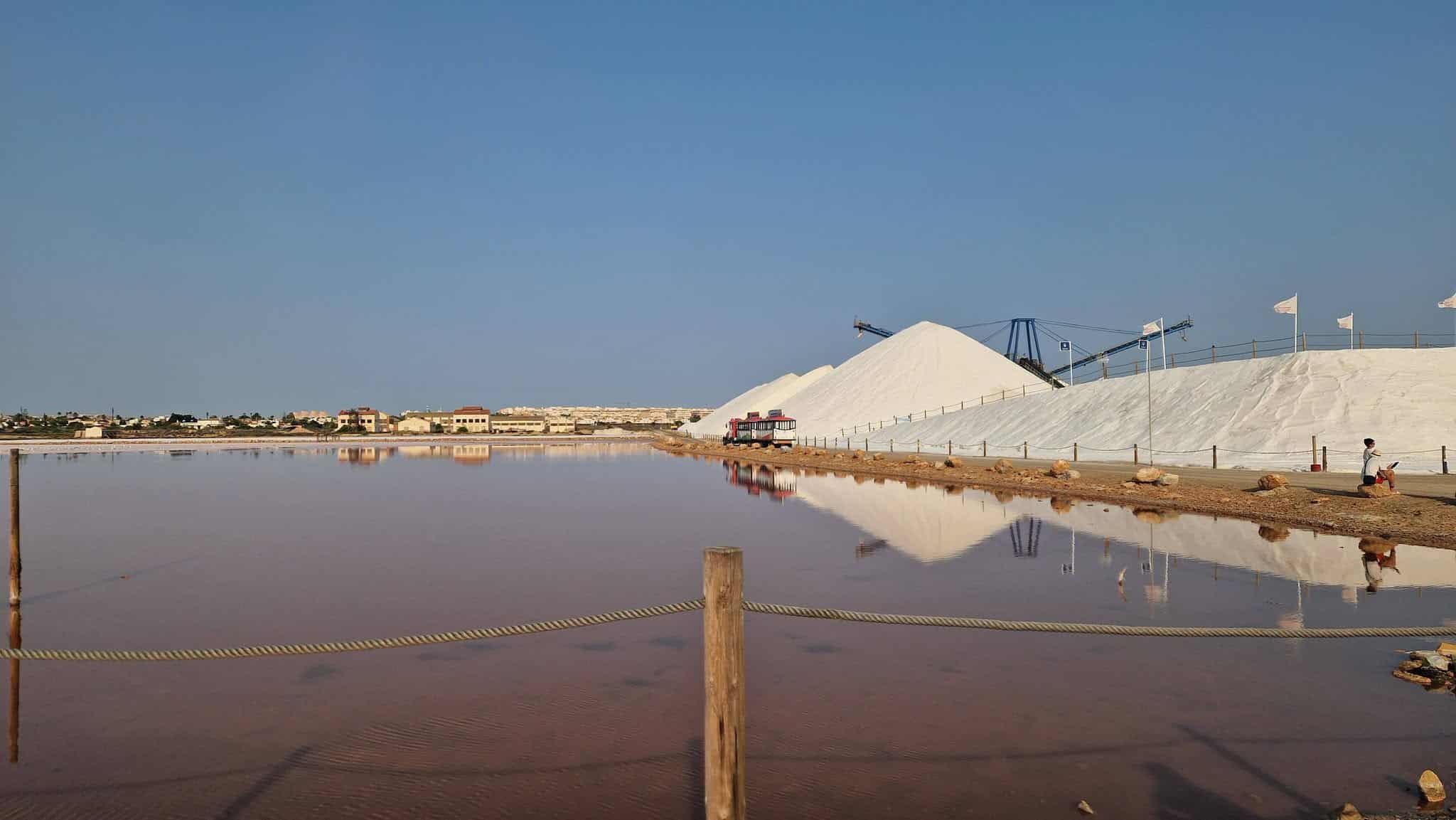
The Pink Lagoon in Torrevieja, a striking sight in Alicante province, is renowned for its distinctive pink hue. This color is not artificial but a result of the lagoon's unusual salinity and the microorganisms adapted to its extreme conditions. The water stretches across the landscape in shades of pink, from light to intense, depending on factors such as light and lagoon conditions.
Torrevieja's lagoon, part of the La Mata and Torrevieja Lagoons Natural Park, is a protected area stretching over 3,700 hectares. The park's two main lagoons, Torrevieja and La Mata, cover approximately 1,400 hectares and 700 hectares respectively.
The pink coloration is primarily due to high salt levels, making the environment hypersaline. Only certain organisms can thrive in this hostile setting, including the microalga Dunaliella salina and other salt-loving microorganisms. These organisms produce pigments, particularly carotenoids, which can impart reddish, orange, or pink hues to the highly saline water.
The intensity of the color is influenced by various factors like salinity, microbial activity, temperature, and other environmental conditions. Consequently, the lagoon's color may vary from one day to another.
Despite its popularity among photographers, the Pink Lagoon is not a beach or a typical bathing area. It is a protected natural park and an operating saltworks. Visitors are advised to adhere to designated routes, use authorized areas, and follow signs to prevent disturbing the ecosystem. The lagoon's appearance is a result of a complex system shaped by high salinity, specialized microorganisms, the interconnection between the two lagoons, and centuries of salt production.
The Pink Lagoon's color is a visible testament to this intricate system, providing insight into the unique environment shaped by its salinity, microorganisms, and long history of salt production.
Written by urgent.news from The Leader's reporting — not their text. Machine-written — may contain errors; check the original before relying on it.