The Preliminary Lunar Science Report for Artemis II is Out!
Through photographs, spoken observations, drawings, and annotations, the Artemis II crew created a unique scientific record—one that is now available to the science community and the public for further study. Explore highlights here, and find the full suite of reports and select data resources at the bottom of the page.
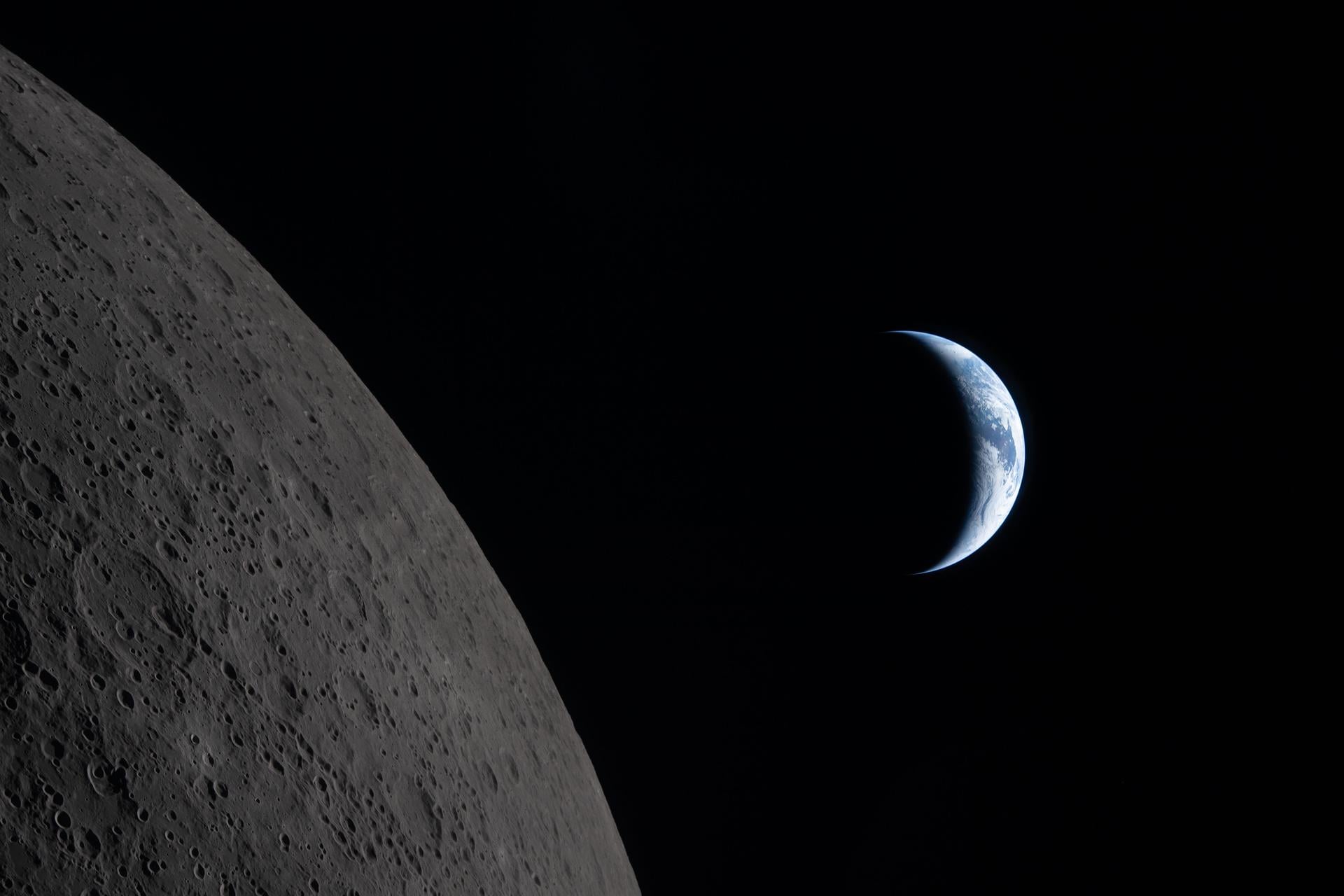
On April 1st, 2026, the Artemis II crew embarked on a journey to the Moon aboard NASA's Space Launch System (SLS). After a three and a half hour launch, astronauts Reid Wiseman, Victor Glover, Christina Koch, and Jeremy Hansen began their nearly ten-day voyage. This was the second mission in the Artemis Program, aimed at returning astronauts to the Moon for the first time since Apollo.
The flight not only provided a unique scientific record, but also allowed the crew to observe geological features, nighttime impacts, and celestial bodies like Earth, Sun, Mars, Saturn, and galaxies.
During the flight, the crew witnessed a total solar eclipse, which provided an unprecedented view of the Sun's corona. This rare event allowed them to study space weather, observe zodiacal light, and see features that would typically be hidden by light pollution. The crew also had a clear view of meteors striking the lunar surface, releasing energy and forming plumes of regolith.
These faint impacts were estimated to be no more than 5 cm (2 inches) in diameter, yet their speed made their effects visible from space. This data is crucial for the Artemis program's long-term goal of establishing lunar habitats and protecting future crews, vehicles, and landers from meteorite impacts and their resulting dust plumes.
Written by urgent.news from Universe Today's reporting — not their text. Machine-written — may contain errors; check the original before relying on it.