Astronomers Detect Potential ‘Second Generation’ Planet Around Dying Stellar White Dwarf
Potential ‘Second generation’ planet detection around a dying stellar white dwarf opens a whole new chapter of exoplanetary science.
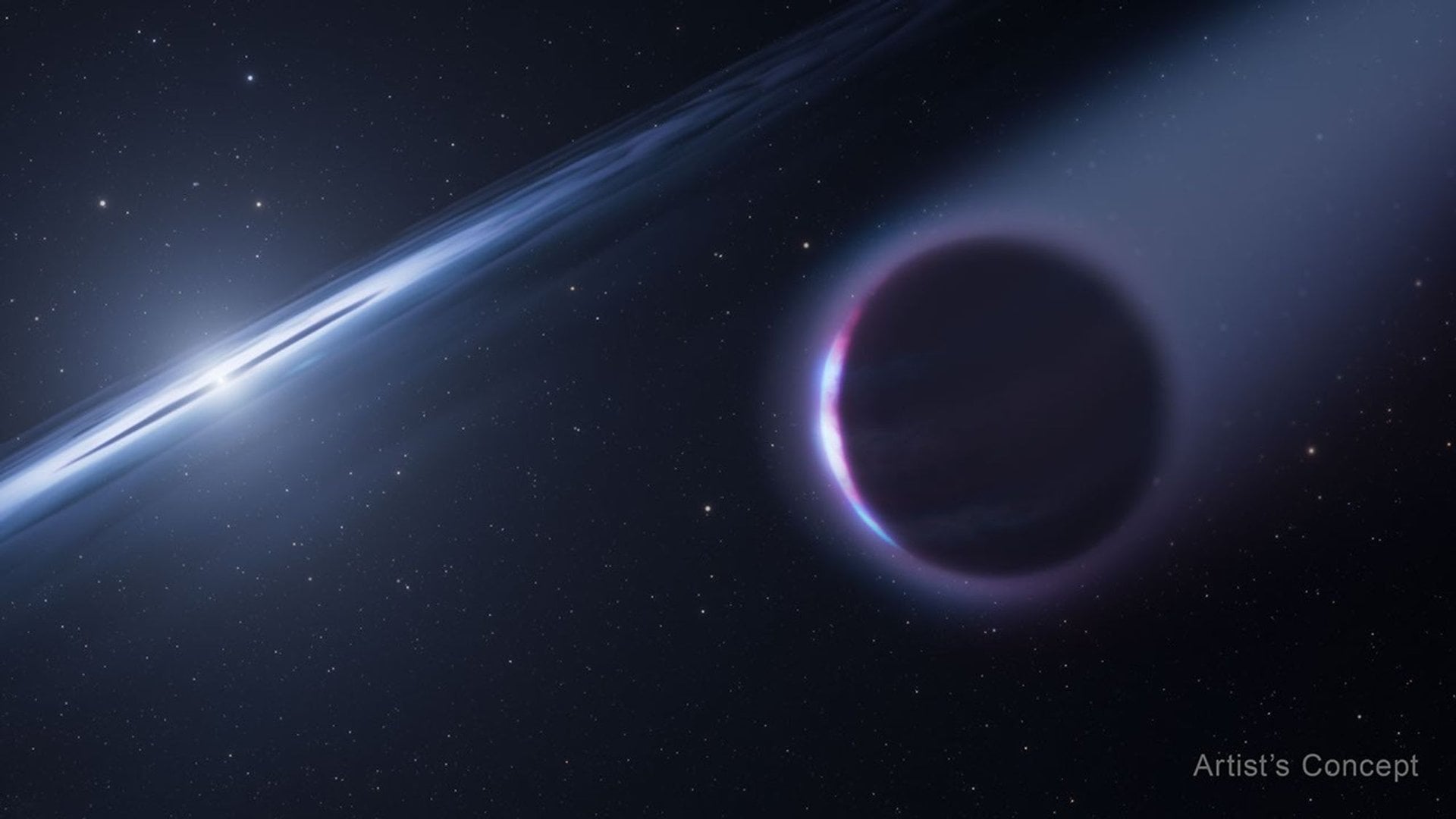
Astronomers may have discovered the first known second-generation planet orbiting a dying stellar white dwarf. The University of Warwick-led team analyzed 25-year-old data from NASA's Hubble Space Telescope to identify HS 0209+0832, a white dwarf with an unusual atmospheric composition. The atmosphere includes rare earth elements such as niobium, which is found at levels over 1000 times more abundant in HS 0209+0832 than in our Sun.
The team believes the white dwarf is likely accreting material from a newly formed giant planet, resulting in a 4.4-day orbit for the potential planet. The discovery demonstrates that close-in planets around white dwarfs can form after the star's hydrogen-burning main sequence, challenging previous arguments about the possibility of planet formation from stellar remnants.
The presence of niobium in the white dwarf's atmosphere indicates the exotic conditions that enable the creation of heavy elements, known as the s-process. While the exact number of second-generation planets remains unknown, the discovery suggests that rocky planets around white dwarfs could remain habitable for tens of billions of years.
Written by urgent.news from Universe Today's reporting — not their text. Machine-written — may contain errors; check the original before relying on it.