Middle East war, high debt levels to dominate IMF-World Bank meetings in Bangkok
By Andrea Shalal BANGKOK, Oct 11 (Reuters) - Finance officials from around the world will gather in Thailand this week under the shadow of a widening war in the Middle East, the biggest energy supply shock ever and rising interest rates that together pose daunting risks to already-sluggish global economic growth.
Finance officials from across the globe will convene in Bangkok, Thailand this week amid the escalating conflict in the Middle East, a massive energy supply disruption, and rising interest rates that collectively pose significant threats to a sluggish global economic recovery. The war waged by the US and Israel against Iran, now in its eighth month, and the ensuing inflation and hardship it has inflicted, will take center stage at the International Monetary Fund and World Bank's annual meetings, held in Bangkok for the first time in three years.
Notably, US Treasury Secretary Scott Bessent will be absent, delegating his duties to two senior officials while he focuses on domestic affairs. This absence, along with the US-led Group of 20 major economies meeting, may cause frustration among counterparts, given the heightened tensions stemming from the Iran war, Ukraine's struggle against Russia's invasion, and the US's imposition of sanctions on the International Criminal Court.
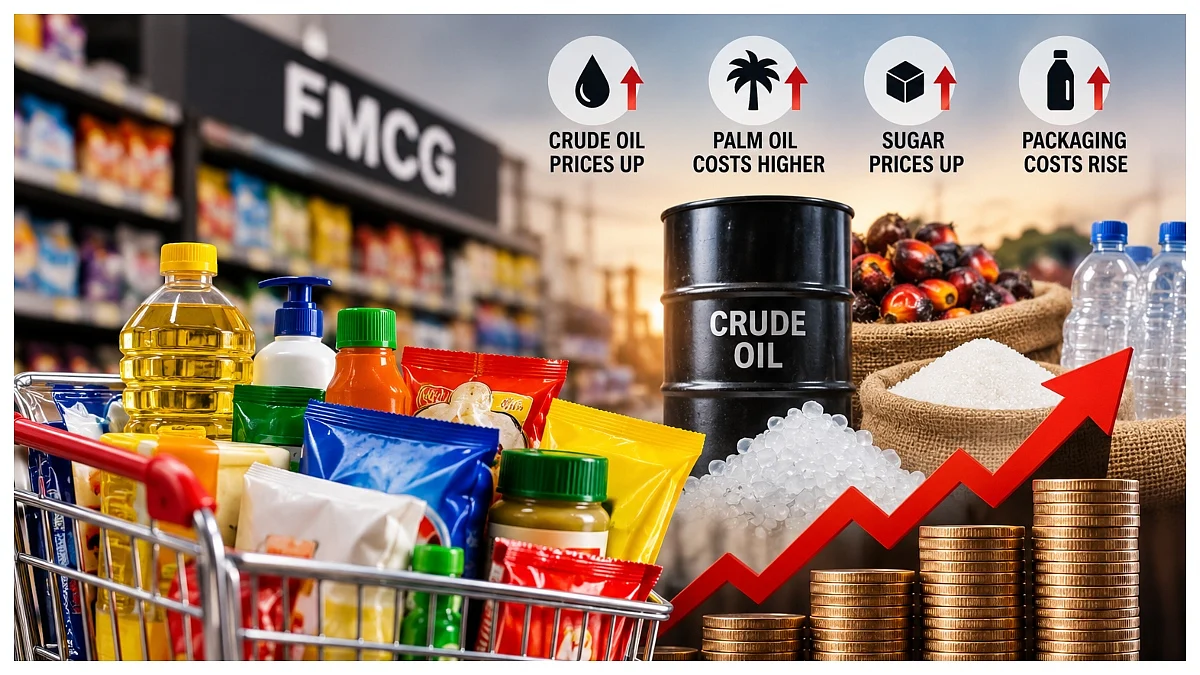
World Bank President Ajay Banga expressed to Reuters that while global growth had defied expectations following Iran's closure of the Strait of Hormuz, which halted around 20% of the world's oil, new pressures are emerging. Rapidly increasing diesel and fertilizer prices, combined with an impending super El Niño weather event that experts predict could cause 450,000 heat-related deaths, are all contributing to the growing challenges.
In response to US President Donald Trump's call for lower gasoline prices before the November elections, the Group of Seven nations agreed to release 100 million barrels of diesel and crude oil from emergency reserves. The deal includes a temporary waiver of US sanctions aimed at depriving Russia of revenues generated by its war against Ukraine, a move that has drawn criticism from Ukrainian President Volodymyr Zelenskiy.
The World Bank, led by President Banga, maintains that it has not revised downward its global growth forecasts but remains vigilant about the unfolding situation. The Bank's chief warned that the real challenge lies not only in the El Niño phenomenon but also in the combined impact of soaring energy costs, fertilizer prices, and mounting debt levels.
These factors together present a formidable set of obstacles, requiring all stakeholders to exercise greater caution as they prepare for the months ahead. IMF Managing Director Kristalina Georgieva echoed similar concerns during her introductory speech, cautioning the audience that "winter is coming." The IMF has projected a 3% global growth rate for 2026 and a slight increase for the following year, but certain nations, including Ukraine in the midst of its fifth year of war against Russia and Gulf countries affected by Iranian strikes and reduced energy exports, may face downgrades.
One of the most pressing issues facing policymakers is the escalating public debt burden, which has reached its highest level since World War Two and is projected to surpass 100% of GDP by 2030. Advanced economies, including the United States, bear the highest debt-to-GDP ratios, but emerging markets and low-income countries are particularly vulnerable due to a perfect storm of challenges: capital outflows in search of higher US rates, El Niño, and insufficient investment in artificial intelligence, which has mitigated negative supply shocks in the US and other rich economies.
Developing countries are particularly susceptible, given their high public debt levels that will need renegotiation at higher interest rates. Interest payments already exceed 10% of revenue for developing countries on average. Following the initial pandemic suspension of debt service payments for the poorest countries, there is little enthusiasm for such measures now, according to diplomats from G20 countries, who cite high debt levels and political pressures as significant hurdles.
Many lower-income nations are apprehensive about the IMF's new recommendations for loan programs, which call for fewer but deeper reforms as a condition for lending. This shift has raised fears of imposing painful austerity measures. Furthermore, countries are grappling with the necessity to cut expenditures due to rising debt payments and IMF conditionality, exacerbating the situation.
Iolanda Fresnillo, who advocates for debt justice at Eurodad, expressed concern that the review of the IMF's conditionality policy could further undermine the agency's credibility. She argues that as long as the IMF maintains its current governance structure, its relevance will diminish. The IMF's credibility is at stake, and its ability to address the mounting crisis facing many developing countries remains in question.
Written by urgent.news from Investing.com's reporting — not their text. Machine-written — may contain errors; check the original before relying on it.
This story
This is one outlet's version. Read the fullest account.