Ship captains and crews transiting the Strait of Hormuz make so much danger pay that they’re ‘almost being viewed as mercenaries’
Tanker captains can earn $100,000 a month for transiting the strait, plus a $50,000 bonus for each trip, and sailors can make at least four to six times their normal rates.
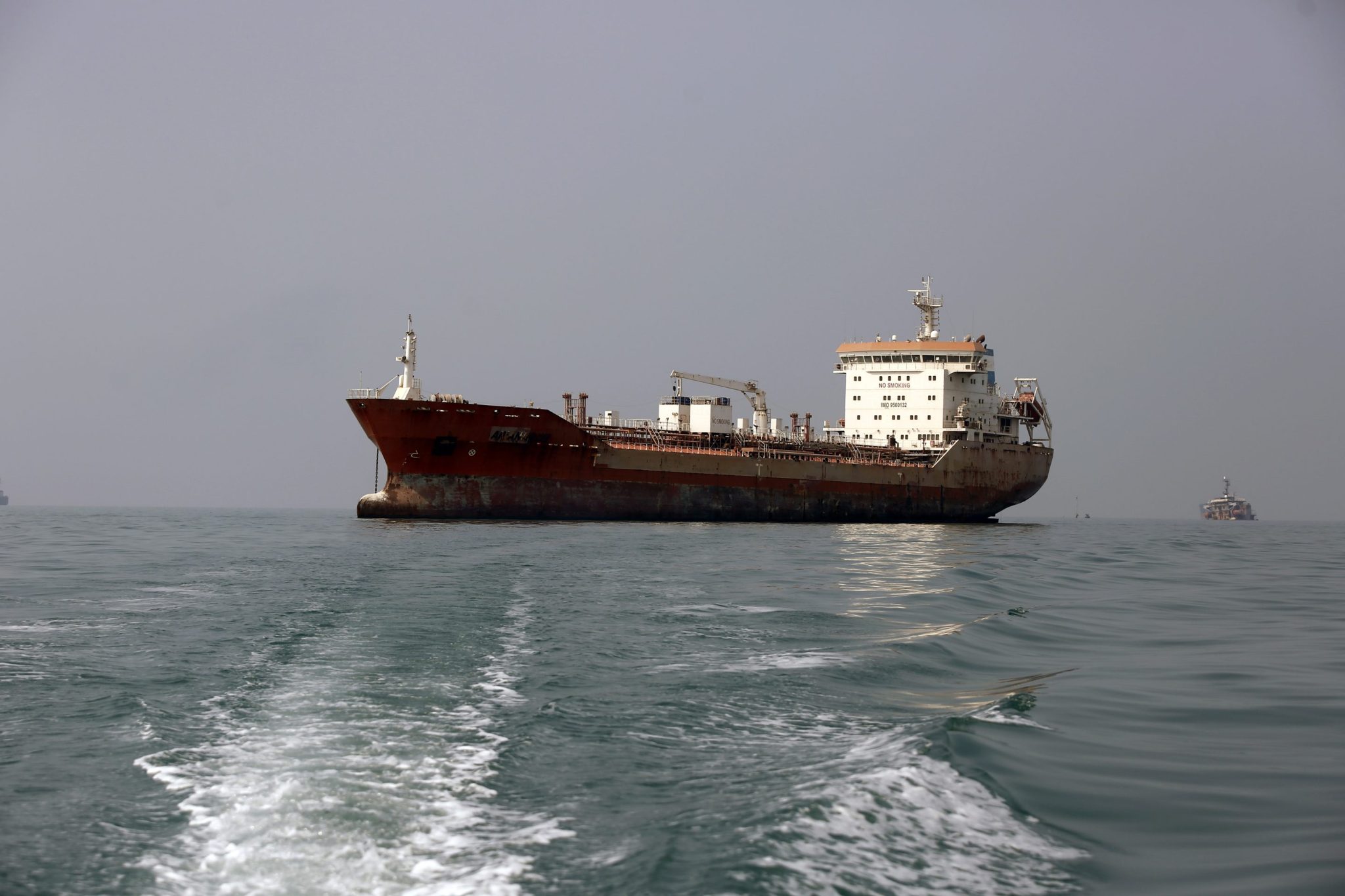
Transporting oil through the Strait of Hormuz is a perilous endeavor fraught with significant financial gains. Despite persistent Iranian attacks, tanker traffic remains steady, with captains and crews enjoying "danger money" of up to $100,000 per month for each crossing, along with a $50,000 bonus per journey. This hazard pay is a stark contrast to the regular salary of approximately $15,000 per month for sailors.
The increased risk has incentivized shipowners to pay hefty insurance premiums, which can amount to up to $20 million for a supertanker sailing through the Gulf.
The Strait of Hormuz serves as a critical chokepoint for global oil shipments, and Iran's stepped-up drone and missile strikes have caused a dip in traffic, yet many vessels continue to transit the area. Some ships engage in shuttle runs, unloading oil cargoes via ship-to-ship transfers in other perilous waters, such as the southern Red Sea and the Gulf of Oman, where attacks by the Houthis are common. This constant threat of attack has led some to deem ship crews as "almost being viewed as mercenaries."
The escalating costs associated with these high-risk operations have driven freight rates to record highs, with daily charges reaching $1.3 million, up from a range of $20,000-$50,000 last year. The need to secure tankers to transport oil has contributed to a global tanker shortage, causing freight rates worldwide to soar. Shipping expenses have become so exorbitant that oil producers and commodities traders are even contemplating purchasing their own tankers to mitigate these costs.
However, if freight rates become excessively high, they may erode the profitability of oil and refined fuel markets. European refiner Repsol, for instance, experienced a margin drop from $36 per barrel in Q3 to $15 in October, according to RBC analysts. Should margins continue to shrink, refiners might be compelled to reduce the amount of crude they process, potentially impacting global oil supplies.
The situation in the Persian Gulf remains volatile, with analysts warning that Iran, facing a dire situation, could escalate the conflict and attempt to regain control over the oil trade. Esfandyar Batmanghelidj, CEO of the Bourse & Bazaar Foundation think tank, expressed concern that Iran might wage a "scorched earth" campaign if diplomatic off-ramps are rejected by the United States.
The threat of further escalation underscores the precarious nature of the Strait of Hormuz and the immense financial stakes involved in transiting this crucial shipping lane.
Written by urgent.news from Fortune's reporting — not their text. Machine-written — may contain errors; check the original before relying on it.