One with the world? A new look at brains transformed by psychedelics.
Participants meditated inside an MRI tube, with and without psilocybin.
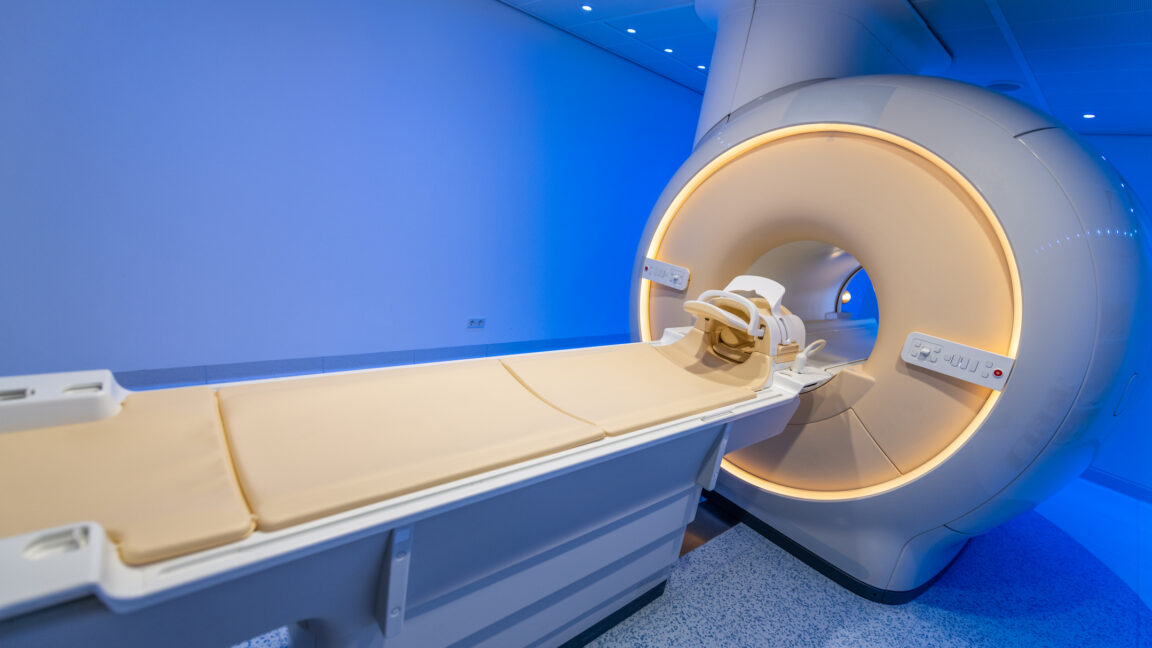
For nearly a decade, conventional wisdom suggested that psychedelic substances cause brain networks to become disorganized, generating a chaotic mix of communication. Scientists likened brain networks—responsible for vision, attention, self-awareness, and more—to highways. During psychedelic experiences, according to this perspective, these highways scatter in numerous directions, creating disorder in the brain.
Devon Stoliker, a neuroscientist at Monash University, explained, "Imagine the brain's networks as highways. Under the influence of psychedelics, these avenues break down into multiple paths." A recent Nature study, led by Stoliker's team, aimed to scrutinize whether these pathways truly behave chaotically and randomly. They recruited 62 individuals who had no prior experience with psychedelics, administered 19 milligrams of psilocybin, a naturally occurring psychedelic found in certain fungi, and performed brain scans.
Employing artificial intelligence to scrutinize both psychedelic and sober brain scans, the researchers found that the brain activity did not exhibit the unpredictable, random pattern often described as "chaos." Stoliker argues that chaos does not adequately capture the transformative effects of psychedelics on the brain. "Chaos doesn't fully explain why individuals have meaningful experiences, derive insights, feel clarity, or subsequently experience positive psychological changes," he stated.
To explore alternative explanations, Stoliker and his colleagues initiated a study named PsiConnect.
Written by urgent.news from Ars Technica's reporting — not their text. Machine-written — may contain errors; check the original before relying on it.
This story
This is one outlet's version. Read the fullest account.