One with the world? A new look at brains transformed by psychedelics.
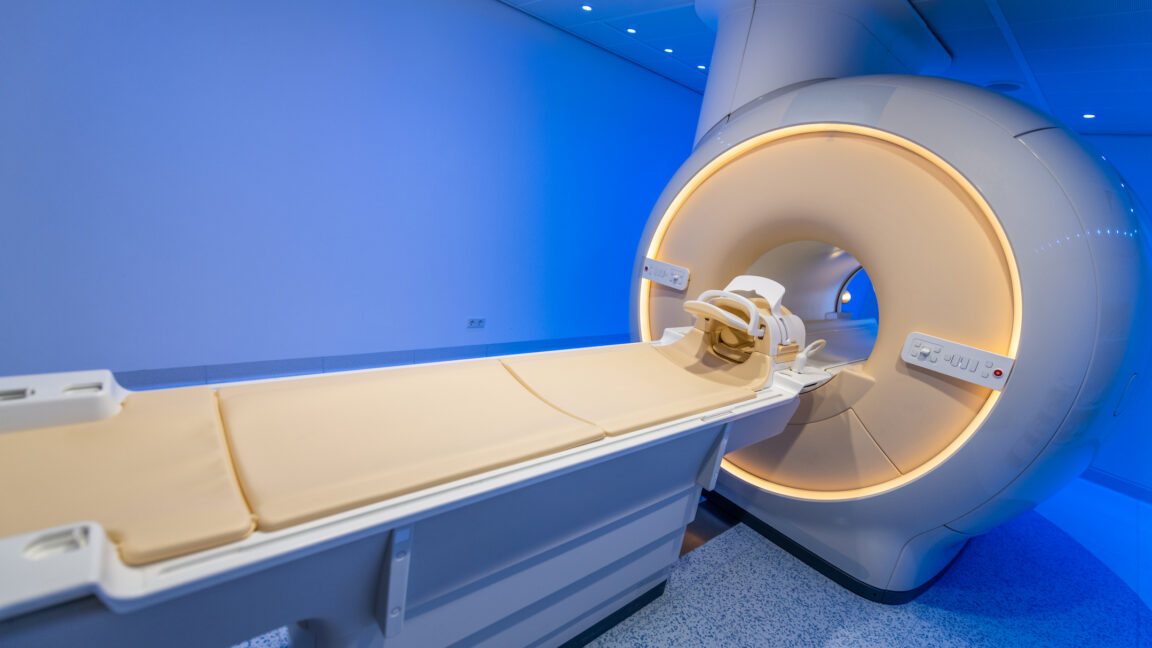
Participants meditated inside an MRI tube, with and without psilocybin.
For nearly a decade, the prevailing belief has been that psychedelic substances disorganize the brain's structure. Brain networks - the consistent patterns of communication that govern vision, focus, self-perception and more - become disorganized and communicate with one another simultaneously. Dr. Devon Stoliker, a neuroscientist from Monash University, likens these brain networks to highways.
"Under psychedelics, these highways break down into numerous different directions," says Stoliker. A recent study published in Nature examined whether these pathways truly function randomly. Researchers recruited 62 individuals who had never consumed a psychedelic before, administered 19 milligrams of psilocybin, a frequently encountered psychedelic in specific fungi, and analyzed their brain scans.
Following this, Stoliker's team utilized artificial intelligence to scrutinize both the brain scans taken while participants were under the influence and those taken while they were sober. The results did not align with the concept of chaos. Stoliker believes the notion of chaos fails to adequately explain the profound effects of psychedelics on the human brain.
"It never really elucidated why an individual would undergo a meaningful experience, why they might gain insight, why they might perceive clarity, and why these potential benefits might translate into positive psychological outcomes," explains Stoliker. To explore alternative explanations, he and his colleagues initiated a study named PsiConnect.
Written by urgent.news from Ars Technica Science's reporting — not their text. Machine-written — may contain errors; check the original before relying on it.