California restored grazing land to tidal marsh; bird density jumped over 12,000%
California's initiative to revive the Dutch Slough wetlands has led to a stunning resurgence of Marsh Wren numbers. Recent bird surveys from 2020 to 2025 indicate significant increases in the density of various marsh-dwelling species. This restoration process involved planting indigenous plants and reinstating tidal flows to previous agricultural terrains. While some species saw a decline,…
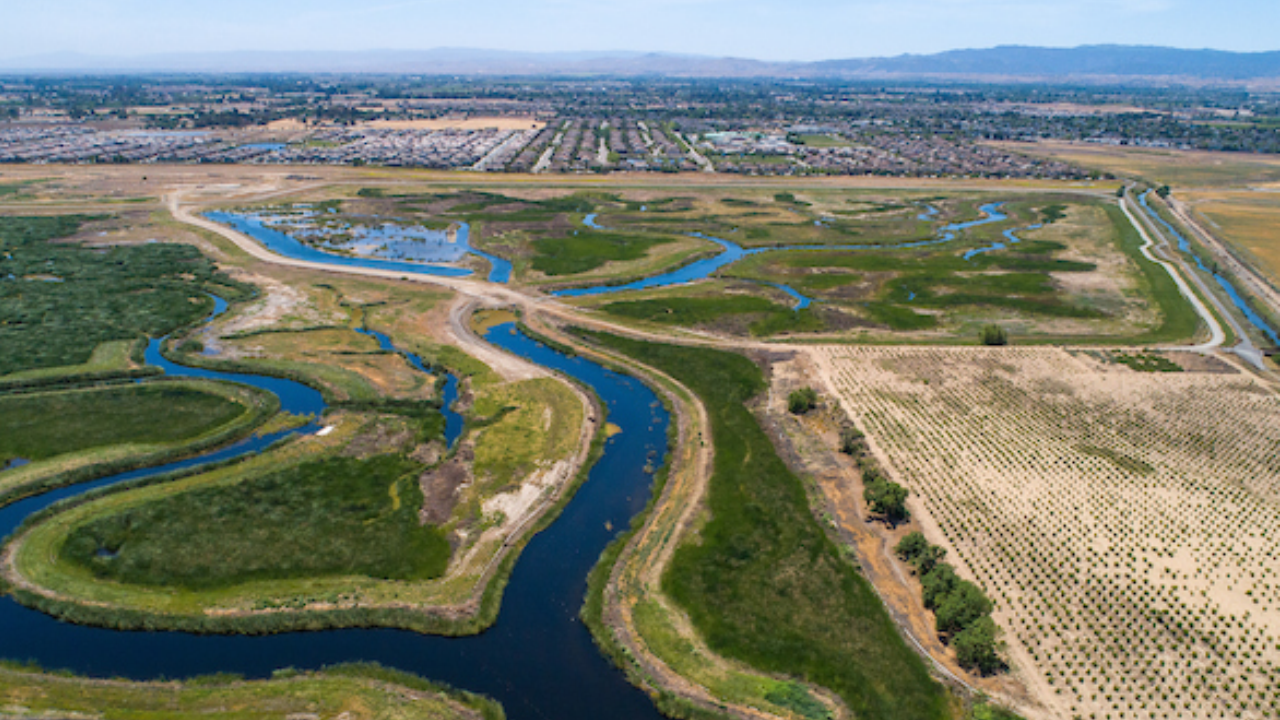
California is witnessing significant ecological improvements as it restores wetlands in the Sacramento–San Joaquin Delta, benefiting bird populations. A study published in Restoration Ecology reveals that Marsh Wren numbers at Dutch Slough have surged by over 12,000% since tidal flows were reintroduced to former grazing land. The research, conducted by Jason Riggio and colleagues, tracked bird populations at the California Department of Water Resources' restoration sites from 2020 to 2025.
Other marsh-associated species, such as Song Sparrows and Common Yellowthroats, also experienced substantial growth as the restored landscape became more suitable for wetland wildlife. The Dutch Slough project, located near Oakley, covers 1,187 acres of former grazing and dairy land converted into freshwater wetland habitat. The restoration involved shaping the land to suitable tidal elevations, planting native vegetation, and opening sections to natural tidal exchange.
These efforts have helped reverse land subsidence, improve environmental conditions, and provide a buffer against flooding. The study highlights the importance of tidal reconnection and vegetation development in creating suitable nesting and feeding conditions for marsh-dependent species.
Written by urgent.news from Times of India's reporting — not their text. Machine-written — may contain errors; check the original before relying on it.