The Placenta Is More Powerful—and More Mysterious—Than You Think
People say it looks like broccoli, a tree, a bowl, a pizza, a crescent moon, a Frisbee, a pancake. Etymologically, “pancake” is closest: Placenta means cake in Latin and comes from the Greek word plakoenta, which means flat cake. Per a Greco-Roman recipe that’s been dated to 160 B.C., in order to make the round, flat dessert called “placenta,” you need thin sheets of dough, cheese, honey, and bay…
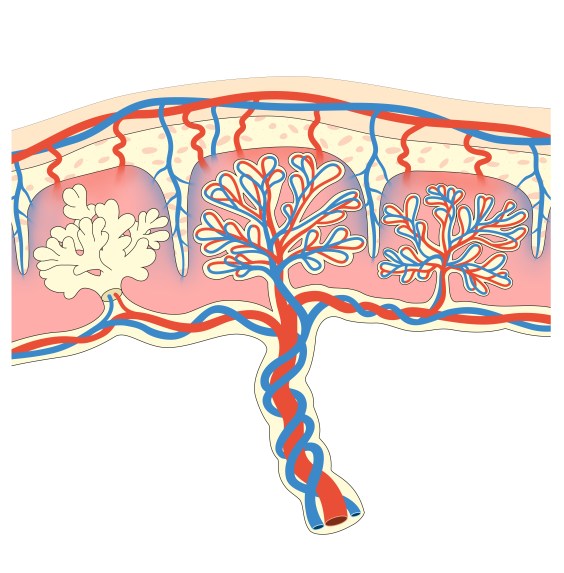
The placenta, a structure that resembles a variety of shapes from broccoli to a pizza, has long been a source of both mystery and reverence. Etymologically, the term "placenta" originates from the Latin word for "cake" and the Greek "plakoenta," meaning flat cake. In ancient Greco-Roman recipes, placenta was a dish made from thin dough sheets, cheese, honey, and bay leaves. However, the intricacies of this organ far exceed the simplicity of ancient culinary practices.
Throughout history, the placenta has held significant symbolic and spiritual importance in various cultures. In some societies, it was deemed sacred due to its role in safeguarding the baby and symbolizing the initial mother-child connection. To this day, elements of these practices remain, with the Hmong community in Southeast Asia typically burying the placenta post-birth.
They hold the belief that when a Hmong individual passes away, their soul returns to their birthplace and reunites with the placenta, aiding its journey to the afterlife.
In contemporary times, the placenta is increasingly being subjected to scientific scrutiny rather than being discarded as mere waste. Researchers are discovering that the placenta serves as a critical endocrine and immune interface between the mother and the child. This growing interest is leading to the placenta being analyzed in laboratories, unlocking new insights into its vital functions.
Written by urgent.news from Nautilus's reporting — not their text. Machine-written — may contain errors; check the original before relying on it.