Scammed? Blamed? Linguistics is the shield — Tamilhiile Manggai G Mohgan
OCTOBER 9 — By shifting our focus from victim-blaming to conversational analysis, we can dismantle the coercive sc...
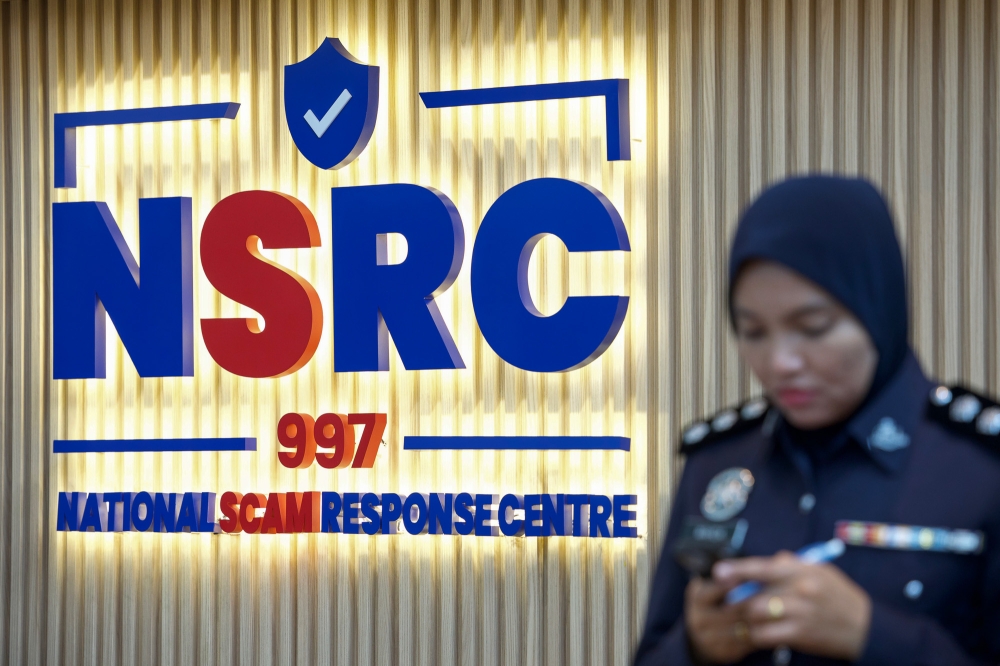
On October 9, a linguistic approach can help dismantle the coercive scripts behind financial fraud, shifting focus away from victim-blaming. Phrases like "You should have been more careful" and "Foolish people lose money like that" are harsh words often directed at scam victims. However, these accusations often come before considering whether the victim was making decisions in a neutral state of mind.
When confronted with intense fear, artificial urgency, aggressive authority, and uncertainty during a scam call, critical thinking often degrades. By the time a victim realizes something is wrong, the money is already gone, leaving behind financial loss, embarrassment, and trauma. Blaming a victim "You should have known better" does not recover lost funds or prevent future crimes.
Instead, victim blaming silences people, keeping critical scam patterns hidden. Many educated, careful, and experienced individuals still fall for scams because scammers deliberately construct conversations to manipulate how people think, feel, and respond.
Scammers use linguistic events, weaponizing language against their victims. Simulated authority (impersonation) is a common tactic, where scammers impersonate police officers, government officials, bank managers, or tax agents. They use formal language, precise administrative titles, and local details to exploit our natural tendency to respect authority.
Manufactured urgency is another tactic, where scammers push victims to act immediately, often claiming severe consequences like interrupting banking services or potential legal actions. Enforced isolation is also common, with scammers instructing victims not to discuss the matter with anyone. This secrecy keeps the victim trapped in the scammer's psychological grip.
Weaponized fear is another tool used by scammers, with threats of legal action, blacklisting, arrests, and penalties delivered in a calm, authoritative tone to paralyze critical judgment. By reframing public responses and asking diagnostic questions like "What did the scammer say?" and "How did they make you feel?", society can move away from victim-blaming and focus on recognizing and breaking scam tactics.
The fight against financial fraud involves language analysis, breaking the code scammers use to manipulate victims.
Written by urgent.news from Malay Mail's reporting — not their text. Machine-written — may contain errors; check the original before relying on it.