Safeguarding Malaysia’s digital future through technology sovereignty
As technology becomes increasingly intertwined with our daily lives, the ability to make independent choices will matter more than ever.
In June, Malaysia's science, technology and innovation ministry revealed its intention to develop a National Technology Sovereignty Framework. This framework aims to provide Malaysians with choices and control over critical technologies, data and infrastructure, ensuring no external party can unilaterally dictate their options. Technology sovereignty means having the ability to withstand geopolitical tensions, cyber incidents, and other disruptions that could impact supply chains, hospitals, banks, businesses, and government systems.
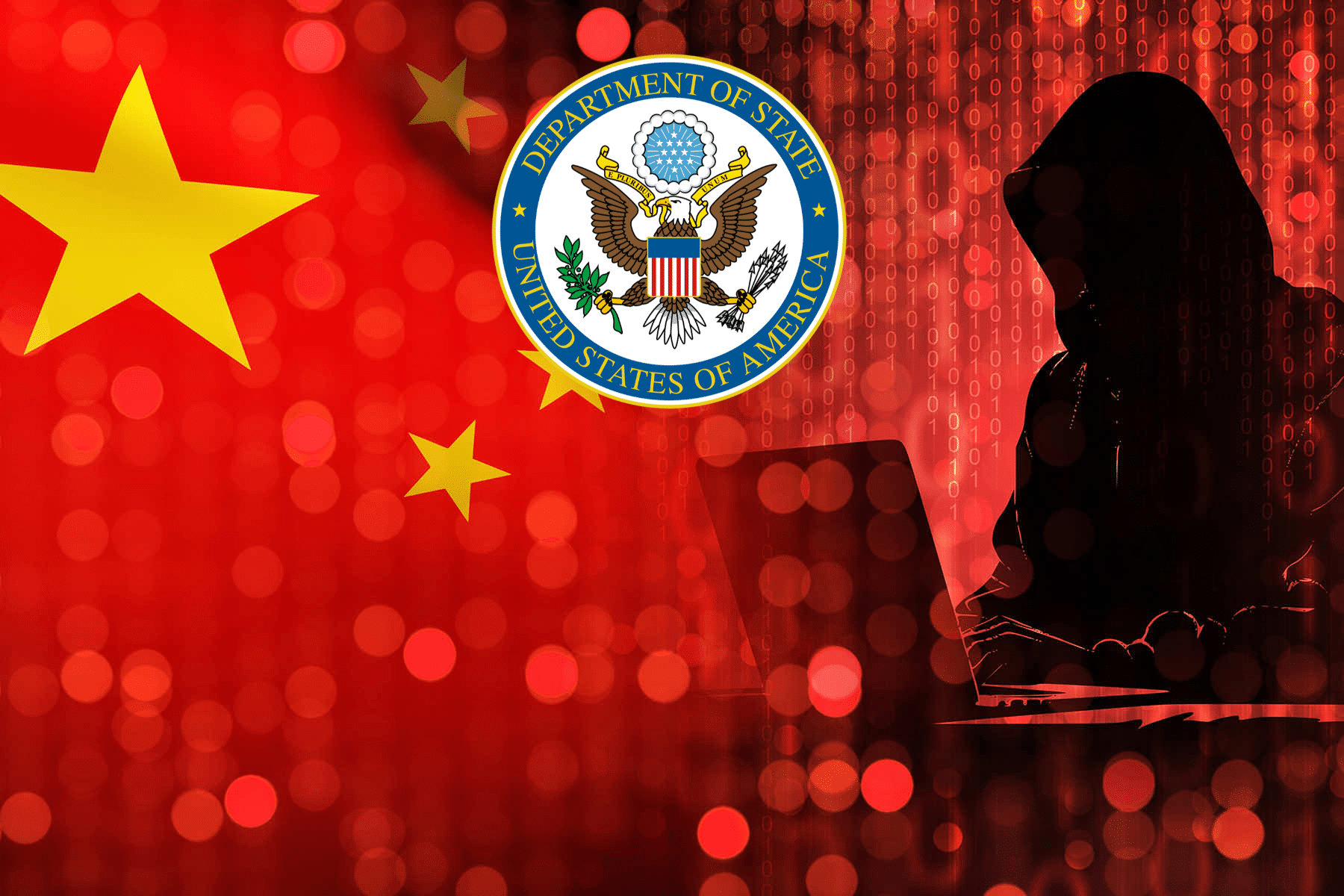
The necessity of technology sovereignty became evident with the Huawei episode, where Washington restricted the Chinese firm's access to US technology, including advanced semiconductors. This move underscored the risks of dependence on foreign technology, even when it benefits from global supply chains and investment opportunities.
Countries like Taiwan and South Korea, which have invested in strategic capabilities, have built globally competitive semiconductor industries. India, too, has made strides in digital public infrastructure and semiconductor development, demonstrating that technology sovereignty does not demand complete self-sufficiency but rather strategic capabilities in select areas.
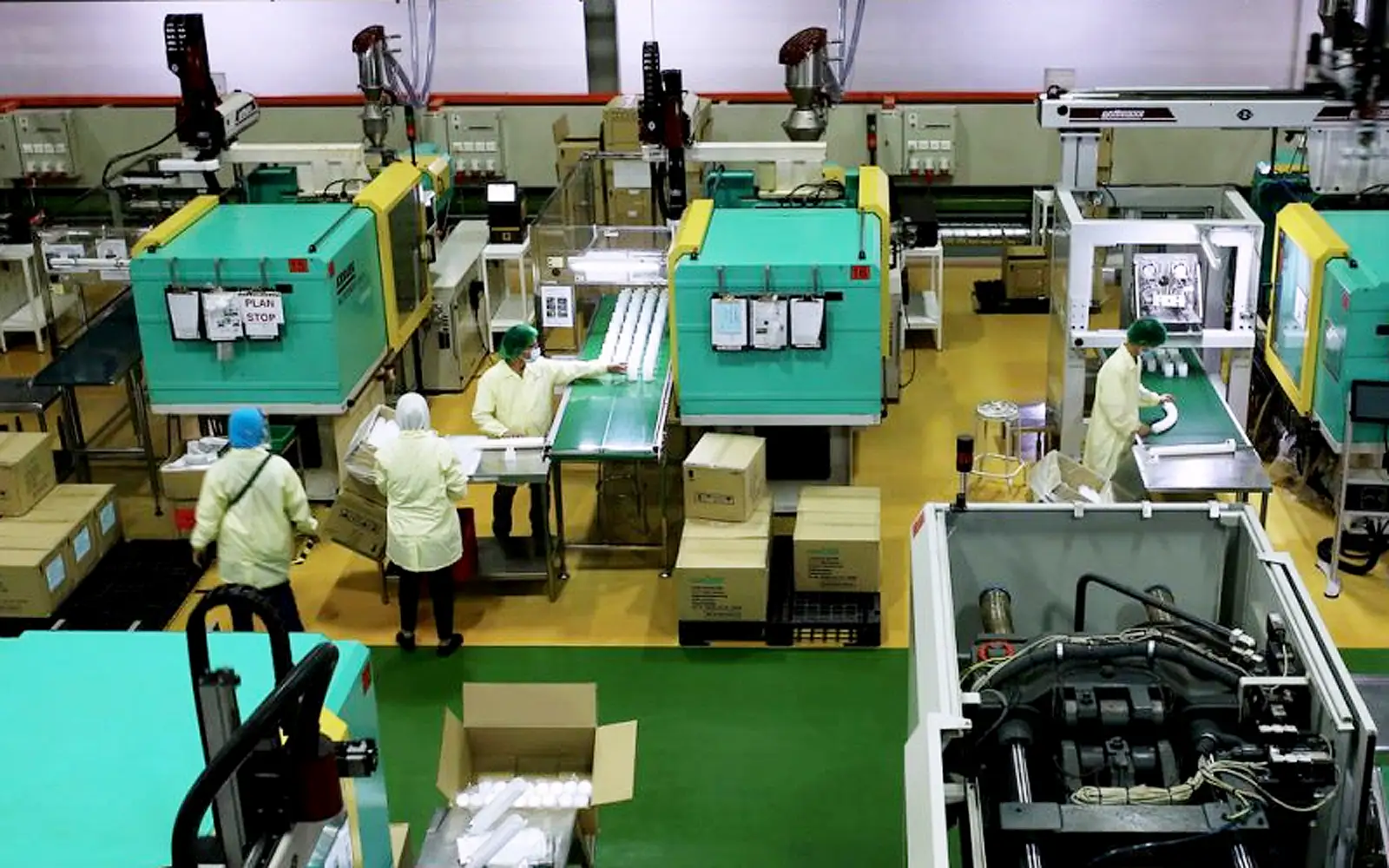
Malaysia has a strong foundation in electronics and semiconductors, with a history of producing advanced chips and exporting them globally. However, much of this capacity is operated through multinational facilities. To bolster its position, Malaysia must develop locally owned capabilities, particularly in advanced packaging, which is crucial for AI chips. Additionally, improving the country's research and development expenditure can enhance its technological independence and resilience.
The framework should prioritize technologies where excessive dependence could jeopardize Malaysia's security, economy, or governance. In these areas, Malaysia should build domestic capabilities, diversify suppliers, maintain strategic reserves, and establish trusted partnerships. In contrast, areas where dependence is not critical should remain open to international collaboration.
Malaysia must strike a balance between embracing global opportunities and safeguarding its digital future. By building the necessary capabilities, maintaining resilience, and retaining control over crucial technologies, Malaysia can ensure that its digital path is shaped by its own choices, rather than external dependencies.
Rewritten by urgent.news; may contain errors — check the original.
Source: freemalaysiatoday.com
This story
This is one outlet's version. Read the fullest account.
- Safeguarding Malaysia’s digital future through technology sovereignty freemalaysiatoday.com