Safeguarding Malaysia’s digital future through technology sovereignty
As technology becomes increasingly intertwined with our daily lives, the ability to make independent choices will matter more than ever.
The Malaysian government is developing a National Technology Sovereignty Framework to ensure the country has control over critical digital technologies, data, and infrastructure. Technology sovereignty means having the choice and control over these essential aspects so that external parties cannot unilaterally dictate options. This is crucial in case of geopolitical tensions, cyber incidents, or disruptions in supply chains that could affect the functioning of hospitals, banks, businesses, and government systems.
The Huawei episode serves as a reminder of the importance of technology sovereignty, as the US restricted Huawei's access to US technology, including advanced semiconductors, and urged allies to reconsider Chinese equipment in their 5G networks. Another lesson comes from Taiwan's semiconductor industry, which, despite its concentration, remains vulnerable due to dependence on a small number of facilities.
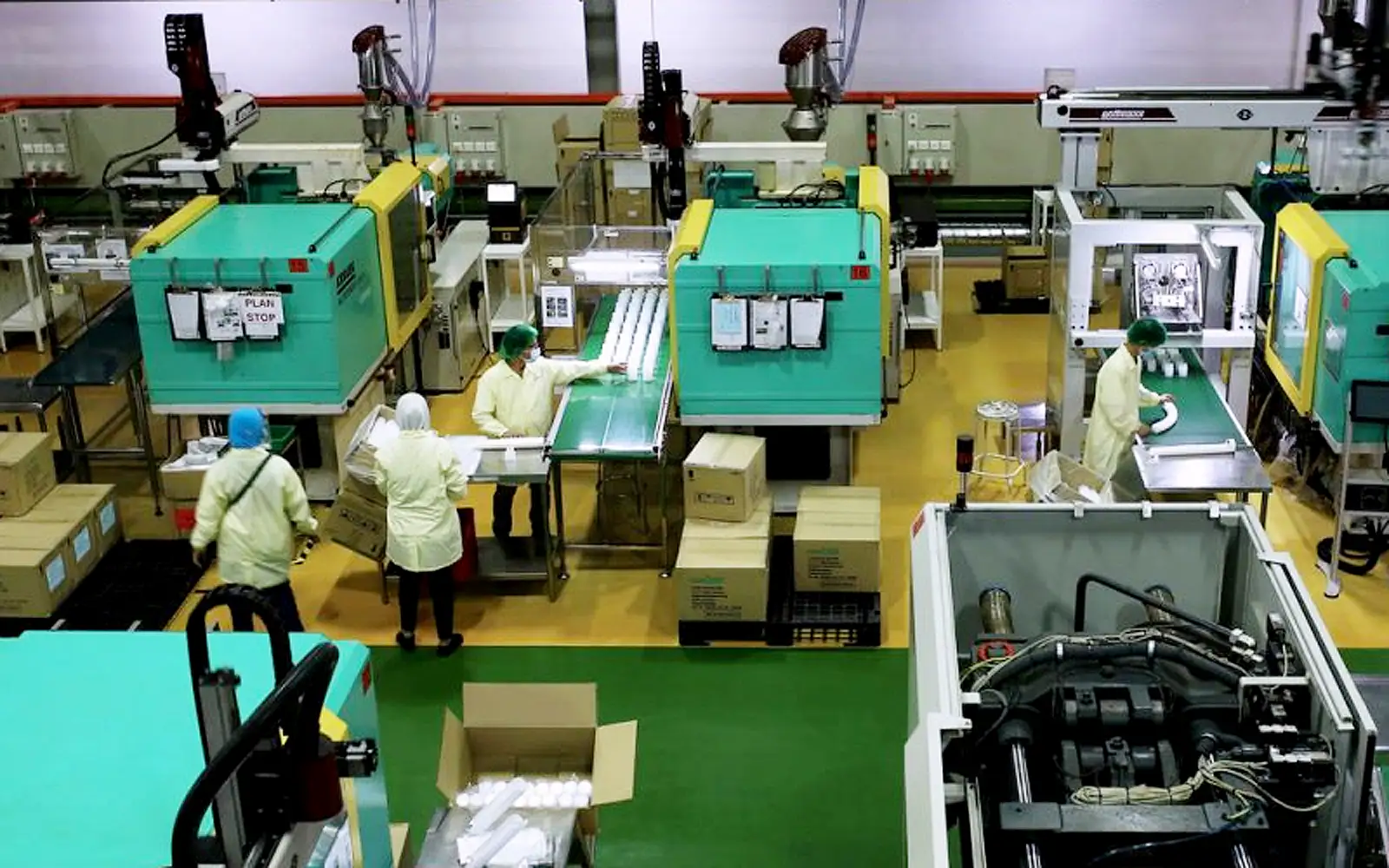
Malaysia's semiconductor industry, led by companies like TSMC, currently ranks sixth globally in chip assembly, testing, and packaging, but much of this capacity operates within multinational facilities. Therefore, Malaysia needs to build greater locally owned capabilities, especially in advanced packaging, which is increasingly important for AI chips.
The government's framework should identify technologies where excessive dependence could threaten Malaysia's security, economy, or ability to govern, and focus on building domestic capabilities, diversifying suppliers, maintaining strategic reserves, and establishing trusted partnerships in these areas. However, Malaysia should continue welcoming foreign investment, multinational companies, and international research partnerships to contribute to the nation's development.
The goal is not to own everything but to ensure that Malaysia cannot be held hostage by dependence on critical technologies and infrastructure.
Written by urgent.news from Free Malaysia Today's reporting — not their text. Machine-written — may contain errors; check the original before relying on it.
Also reported by 1 other outlet
- Safeguarding Malaysia’s digital future through technology sovereignty freemalaysiatoday.com