Why LatAm’s Nobel Record Is Dominated by Literature and Peace
As the 2026 Nobel season moves toward Friday’s Peace Prize announcement, Latin America’s record reveals a striking imbalance: the region has produced far more laureates in Literature and Peace than in the sciences. Six Latin American writers have won the Nobel Prize in Literature, while seven laureates conventionally associated with the region have won the […]
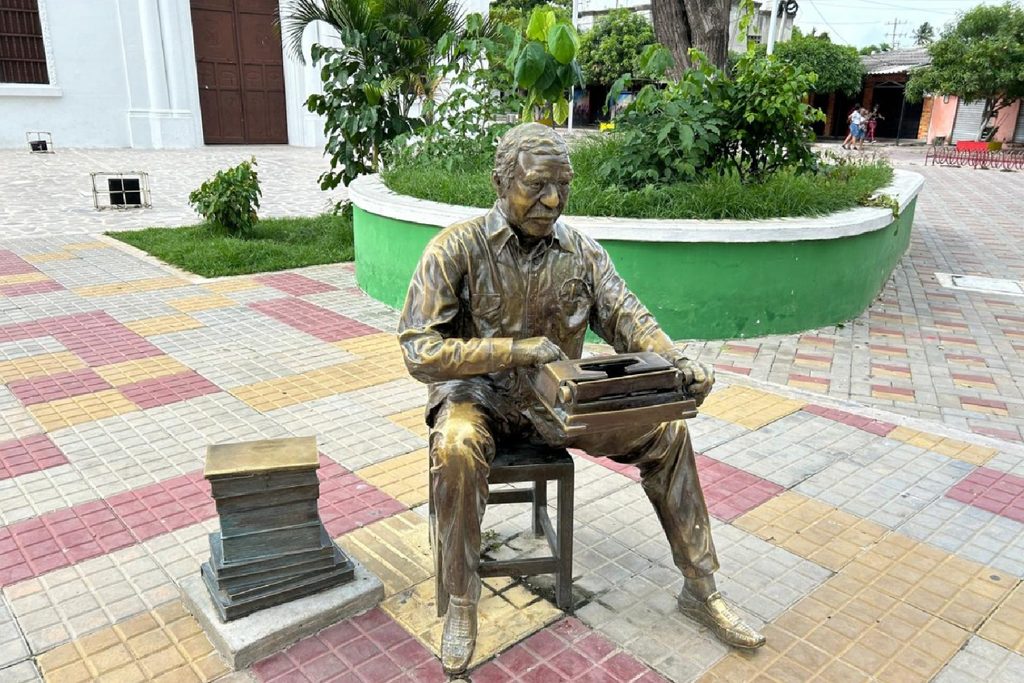
As the 2026 Nobel season approaches, the region of Latin America stands out for its disproportionate record of Nobel laureates in Literature and Peace compared to the sciences. Six Latin American writers have been awarded the prestigious Nobel Prize in Literature, while seven individuals associated with the region have received the Peace Prize.
In contrast, only five have been recognized in Physiology or Medicine, Chemistry, and none in Physics or Economic Sciences. This imbalance is even more pronounced when compared to the overall Nobel total, as the Latin American laureates constitute roughly 2% of the Nobel recipients since 1901, while their five science laureates account for only about 0.5% of all individual laureates.
The region's dominance in Literature and Peace can be attributed to several factors. The region's international literary breakthrough coincided with a particularly influential period, with notable laureates such as Gabriela Mistral, Miguel Angel Asturias, Pablo Neruda, Gabriel Garcia Marquez, Octavio Paz, and Mario Vargas Llosa achieving international success.
The 1960s and 1970s were crucial for this literary surge, as the Boom movement led by these writers expanded the reach of Latin American literature globally, aided by successful international publishing markets. This international circulation played a significant role in securing Nobel recognition for their literary works.
On the other hand, the prominence of Latin America in Peace laureates is closely linked to the region's tumultuous political history, marked by wars, dictatorships, human rights struggles, disarmament efforts, and political transitions. Seven Latin American individuals have received the Nobel Peace Prize, reflecting their involvement in resolving conflicts, advocating for human rights, promoting disarmament, and facilitating peace processes.
Examples include Argentina's Carlos Saavedra Lamas, Adolfo Perez Esquivel, Mexico's Alfonso Garcia Robles, Costa Rica's Oscar Arias, and Venezuela's Maria Corina Machado, among others. These laureates' contributions were often timely and strategic, providing political capital and support for ongoing peace processes, as seen in Colombia's case with Juan Manuel Santos, who won the 2016 Peace Prize for his role in ending the country's long-standing conflict with the FARC.
However, Latin America's significant achievements in Literature and Peace contrast sharply with its limited presence in the sciences. Only five Latin American scholars have received conventional Nobel prizes in these fields, representing a mere 0.5% of the global total. These laureates include Bernardo Houssay, Luis Federico Leloir, Cesar Milstein, Baruj Benacerraf, and Mario Molina.
The scarcity of science laureates in the region can be attributed to a combination of factors, including relatively lower research investment and capacity compared to other parts of the world. Despite expanding research capabilities, Latin American scientists have faced challenges in securing funding and maintaining competitiveness on the global stage, as highlighted by UNESCO's State of Science in the World report.
Written by urgent.news from Colombia One's reporting — not their text. Machine-written — may contain errors; check the original before relying on it.