Solar Orbiter tracks origin of mysterious magnetic switchbacks
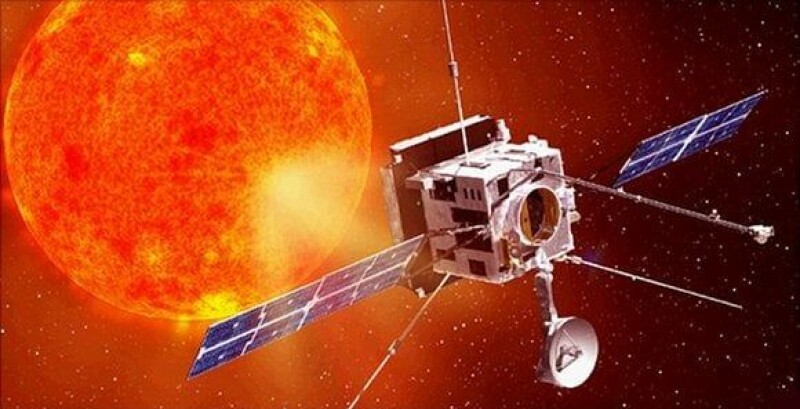
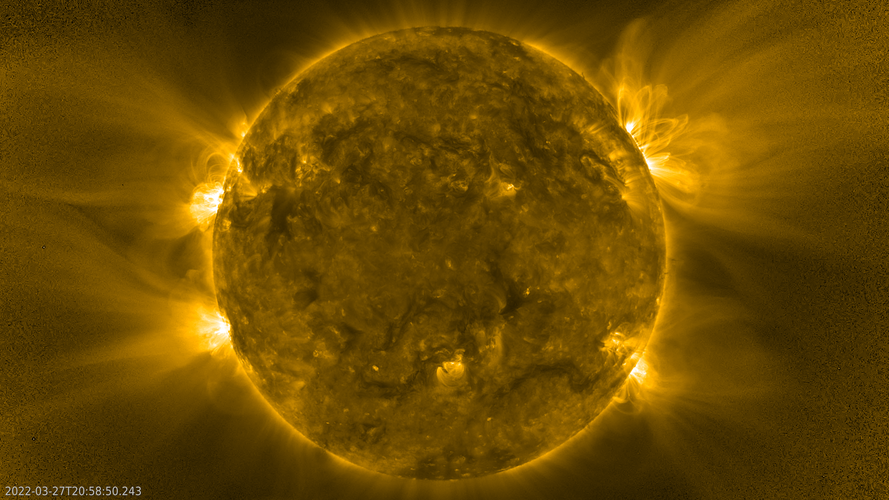
The European Space Agency–led Solar Orbiter spacecraft has flown through an S-shaped kink known as a "switchback" in the solar wind's magnetic field. By fingerprinting the elusive particles within the switchback, Solar Orbiter has traced its origin back to the sun's surface and revealed more about solar magnetism—the unruly instigator of dangerous solar storms.

The European Space Agency's Solar Orbiter spacecraft recently flew through a large, S-shaped kink in the solar wind's magnetic field, known as a "switchback." This switchback allowed scientists to trace its origin back to the sun's surface and better understand solar magnetism and the formation of solar storms. Solar Orbiter's Solar Wind Analyser instrument sampled the plasma within the switchback, revealing a mix of charged oxygen and carbon particles that could only have formed in hot magnetic field loops at the sun's surface.
This finding supports the theory of interchange reconnection, where open and closed magnetic regions interact, allowing trapped plasma to escape and contribute to the formation of switchbacks. While waves and turbulence also play a role in switchback formation, their effects are observed after the switchback has left the sun. This discovery contributes to our understanding of the sun's atmosphere, solar wind dynamics, and the potential for predicting space weather events that affect Earth and space-based technology.
Written by urgent.news from Phys.org's reporting — not their text. Machine-written — may contain errors; check the original before relying on it.