NASA’s SSPICY Mission to Demonstrate In-Space Inspection Technologies
A new NASA-supported spacecraft will get up close to satellites that are no longer in service, demonstrating technologies that could support future in-space repairs and reduce orbital debris. The Small Spacecraft Propulsion and Inspection Capability (SSPICY) mission launched Oct. 1 from Vandenberg Space Force Base in California. The mission is a technology demonstration where an […]
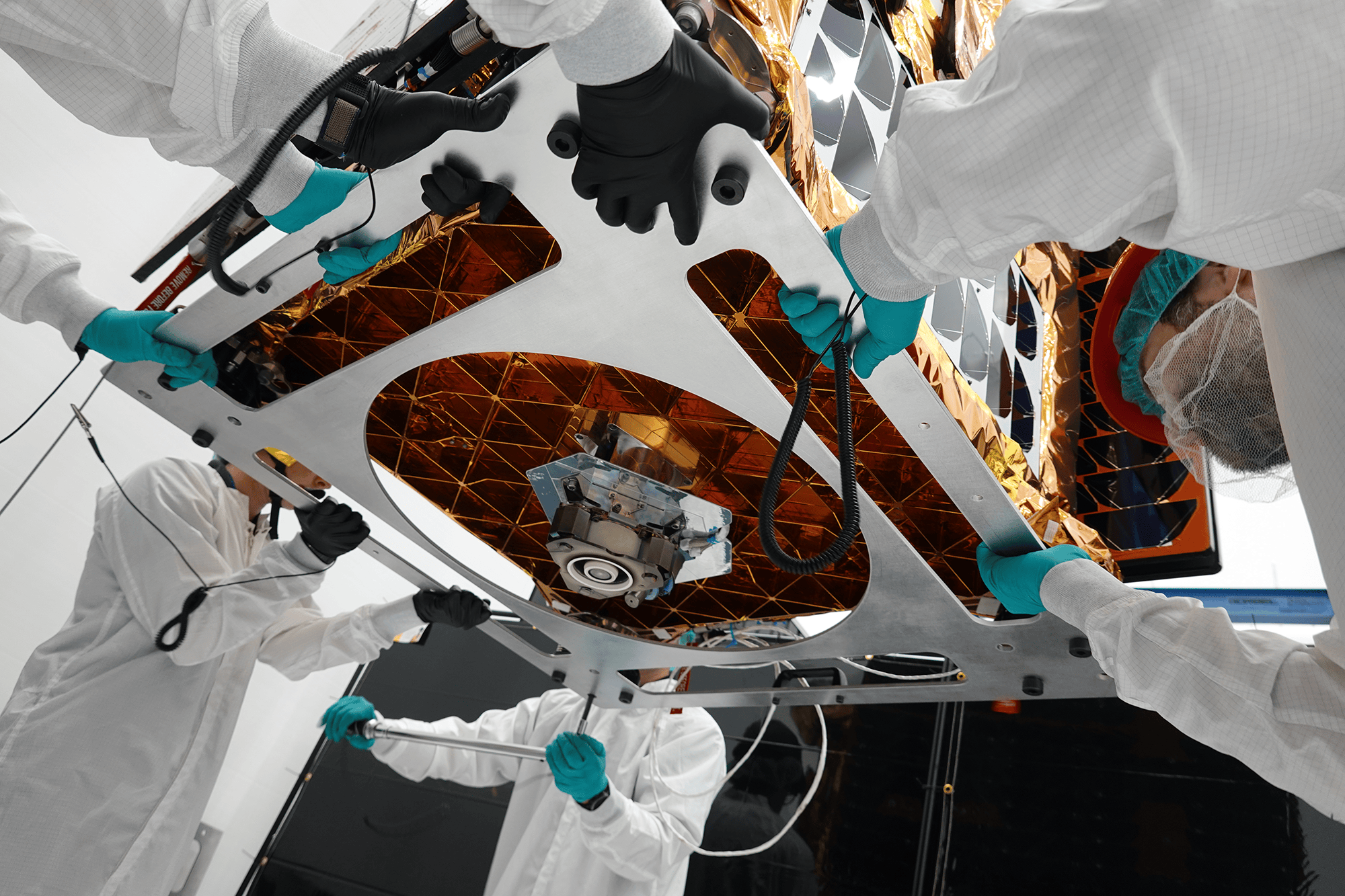
NASA's Small Spacecraft Propulsion and Inspection Capability (SSPICY) mission launched on October 1st from Vandenberg Space Force Base in California. The mission, a technology demonstration, involves an Otter spacecraft built by Starfish Space approaching up to four inoperable U.S. space objects in low Earth orbit. These objects could be satellites or rocket bodies.
The Otter spacecraft, approximately the size of a washing machine, will autonomously navigate to these objects, utilizing computer vision and sensors to make real-time navigation decisions. During the inspection, the spacecraft will gather crucial information such as the target's spin rate, orientation, and surface condition. An electric propulsion system and an articulating robotic boom will test the spacecraft's ability to maneuver between different orbits.
The SSPICY mission marks the first time these technologies will be tested together as an integrated system. The mission aims to pave the way for future autonomous servicing and orbital debris inspection. The spacecraft won't touch or dock with any satellites during the mission, but will test the technologies needed to enable future missions to repair or safely remove objects in orbit.
The Sea Launch Company launched the spacecraft for Starfish Space, which developed and operates the Otter 24C spacecraft for the SSPICY mission. NASA's Small Spacecraft and Distributed Systems program funds and manages the technology demonstration, with additional support from NASA's Small Business Innovation Research / Small Business Technology Transfer program.
Written by urgent.news from NASA's reporting — not their text. Machine-written — may contain errors; check the original before relying on it.
This story
This is one outlet's version. Read the fullest account.