NASA’s SSPICY Mission to Demonstrate In-Space Inspection Technologies
A new NASA-supported spacecraft will get up close to satellites that are no longer in service, demonstrating technologies that could support future in-space repairs and reduce orbital debris. The Small Spacecraft Propulsion and Inspection Capability (SSPICY) mission launched Oct. 1 from Vandenberg Space Force Base in California. The mission is a technology demonstration where an […] The post…
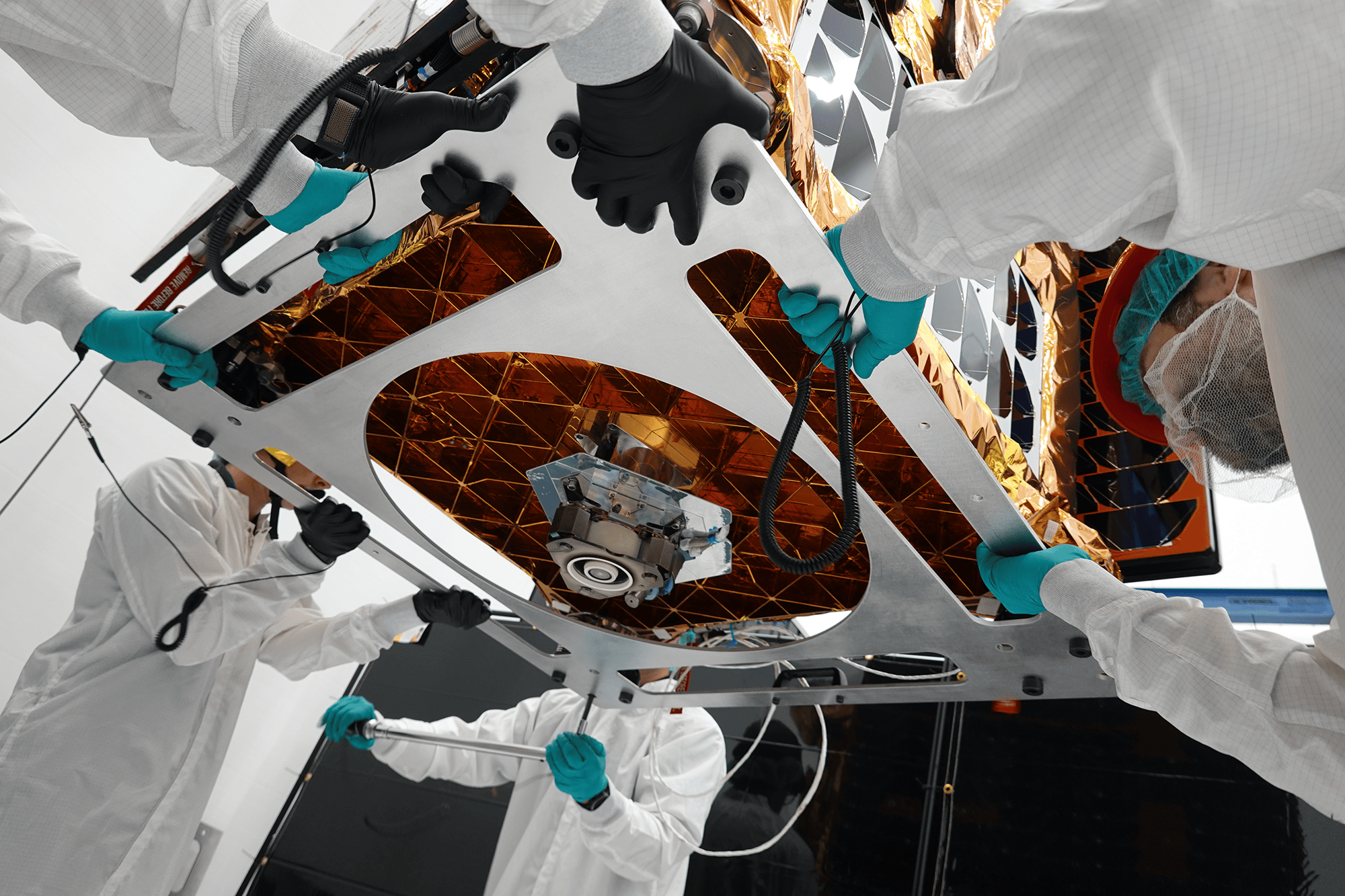
NASA's SSPICY mission, set to launch on October 1 from Vandenberg Space Force Base in California, aims to showcase cutting-edge technologies for in-space inspections. The Small Spacecraft Propulsion and Inspection Capability (SSPICY) project involves an Otter spacecraft, built by Starfish Space, designed to approach and inspect up to four U.S. satellites or rocket bodies in low Earth orbit.
The Otter spacecraft, roughly the size of a washing machine, will autonomously navigate to its targets, using computer vision and sensors to make real-time navigation decisions. Autonomous guidance and control software will allow the spacecraft to perform inspections, gathering vital data like spin rate, orientation, and surface condition. An electric propulsion system and an articulating robotic boom will enable the spacecraft to travel between objects and manipulate its thrusters for precise maneuvering.
SSPICY is the first mission to test these technologies collectively, paving the way for future autonomous servicing and orbital debris inspection. The mission will not involve touching or docking with any satellites, but will instead test the technologies needed for potential in-space repair or safe removal of space objects through atmospheric disposal.
Developed and operated by Starfish Space, the Otter 24C spacecraft is funded and managed by NASA's Small Spacecraft and Distributed Systems program within the Research and Technology Mission Directorate. NASA's Small Business Innovation Research / Small Business Technology Transfer program also supported the early development of the spacecraft's key technologies and capabilities.
Written by urgent.news from NASA Science's reporting — not their text. Machine-written — may contain errors; check the original before relying on it.