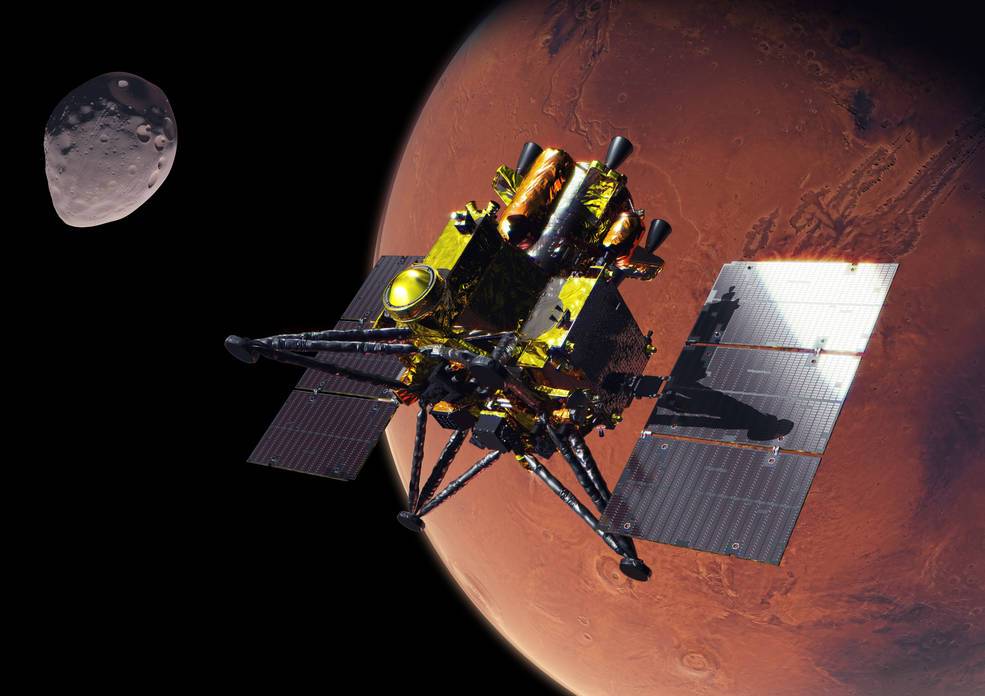
NASA taps DoE to help it build nuclear space reactors
Space agency claims steady progress on lunar reactor plans, but offers little evidence to back it up
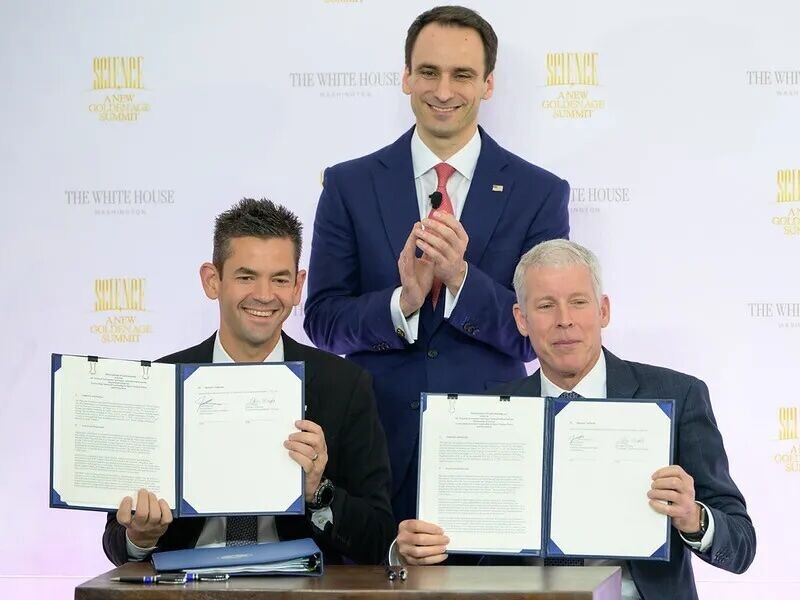
NASA and the Department of Energy have inked a memorandum of understanding to bolster collaboration on the space agency's nuclear ambitions, as administrator Jared Isaacman pushes for a fast-track to launch a fission-powered spacecraft to Mars. The agreement, which hasn't been made public in full, aims to unite both agencies in pursuing their objectives, covering research and fuel production, testing, launch integration, and operations.
Isaacman believes nuclear power will enable NASA to venture farther, operate longer, and equip spacecraft with more advanced instruments. The agency has been eyeing nuclear reactors for its lunar base, aiming to have one ready for launch by 2030, leaving little room for error in meeting a December 2028 deadline for a nuclear-propelled spacecraft named "Freedom."
The spacecraft, powered by a reactor producing over 20 kilowatts of electricity, would transport Ingenuity-class helicopters to Mars to survey future human landing sites. However, the reliability of these timelines remains in question, with the Government Accountability Office (GAO) noting that NASA's past mission timelines have often been more wishful thinking than reality.
The agency's lunar return plans, including Artemis missions, have faced multiple delays, with some objectives altered to address readiness concerns.
Written by urgent.news from The Register's reporting — not their text. Machine-written — may contain errors; check the original before relying on it.
This story
This is one outlet's version. Read the fullest account.
- NASA taps DoE to help it build nuclear space reactors theregister.com