NASA taps DoE to help it build nuclear space reactors
Space agency claims steady progress on lunar reactor plans, but offers little evidence to back it up
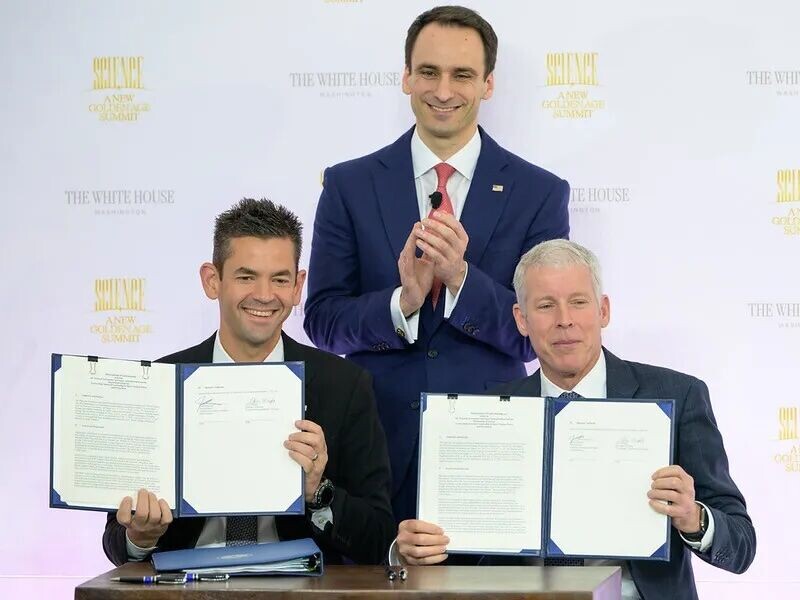
NASA and the Department of Energy have inked a joint memorandum of understanding to bolster their partnership on space nuclear technology, as the agency races against time to launch a fission-powered spacecraft to Mars. Administrator Jared Isaacman heralded this new "Nuclear NASA-era" era at a signing ceremony alongside Energy Secretary Chris Wright. The MOU sets a framework for collaboration across various aspects, including research and fuel production, testing, launch integration, and operations.
Nuclear power, Isaacman asserted, will enable NASA to venture farther, operate longer, and equip more capable spacecraft and instruments than ever before. He emphasized that the ongoing work is laying the groundwork for the fission-powered spacecraft of tomorrow, opening a new frontier for exploration and discovery.
NASA has long been contemplating the use of nuclear reactors to power its lunar ambitions. Earlier this year, the agency shifted its focus from the Lunar Gateway station to a lunar base, with plans to have a nuclear reactor ready for launch by 2030. NASA has offered scant evidence of progress on this initiative, aside from announcing steady advancements on Lunar Reactor-1 (LR-1), the reactor intended for powering the Moon base.
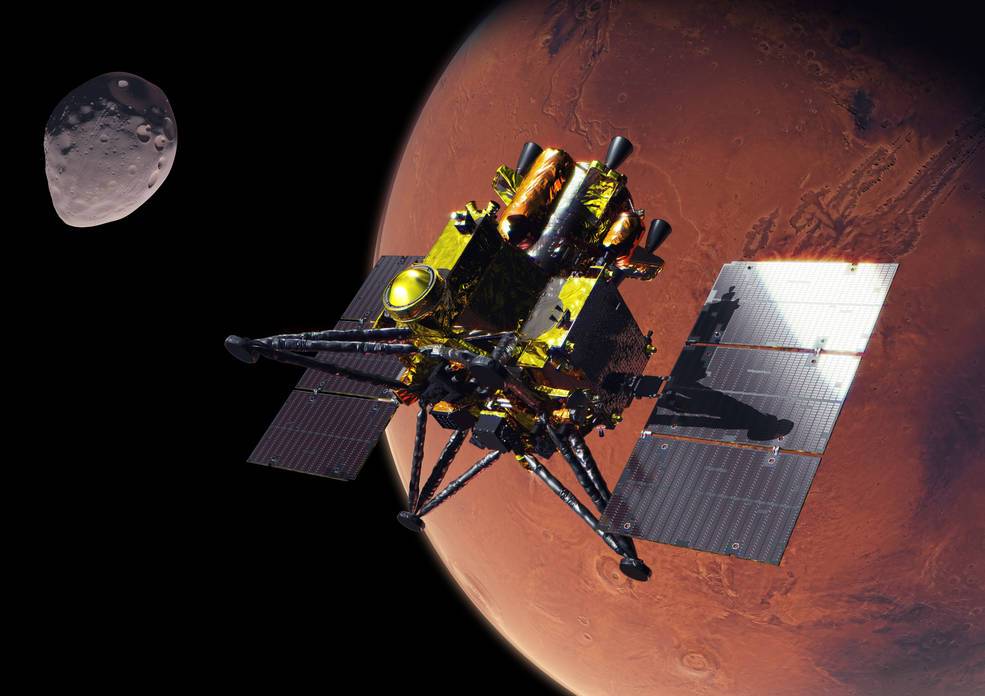
However, the agency faces even more urgent deadlines for Space Reactor-1 (SR-1), which it intends to power a nuclear-propelled spacecraft slated for a December 2028 launch.
The spacecraft, dubbed "Freedom," would generate over 20 kilowatts of electricity to fuel its electric thrusters during its journey to Mars. It would also deliver three Ingenuity-class helicopters to explore potential future human landing sites. Despite these ambitious plans, doubts linger over whether NASA will meet its timelines.
The Government Accountability Office has been skeptical of NASA's past timelines, noting that any mishap could significantly delay the agency's progress. In recent years, delays have plagued NASA's Artemis missions, including a shift in Artemis III's objectives from a lunar landing to a demonstration mission in low Earth orbit. These setbacks have raised questions about NASA's ability to launch the Space Reactor-1 by 2028 and successfully land humans on the Moon's surface by then.
Written by urgent.news from The Register Science's reporting — not their text. Machine-written — may contain errors; check the original before relying on it.
Also reported by 1 other outlet
- NASA taps DoE to help it build nuclear space reactors theregister.com