Higher prices, simpler menus, and fewer customers: In year five of the war, Russia's restaurants and bars are finally struggling to survive
By the end of 2025, 16 restaurants had closed around Moscow’s Patriarch Ponds – five times as many as in previous years. It is just one of many signs that the boom of the war’s early years is over. Revenue at restaurants and cafés across Russia is steadily declining. The number of bars has fallen by 6% nationwide and by 14% in Moscow. Customers are cutting back on spending, while costs and taxes…
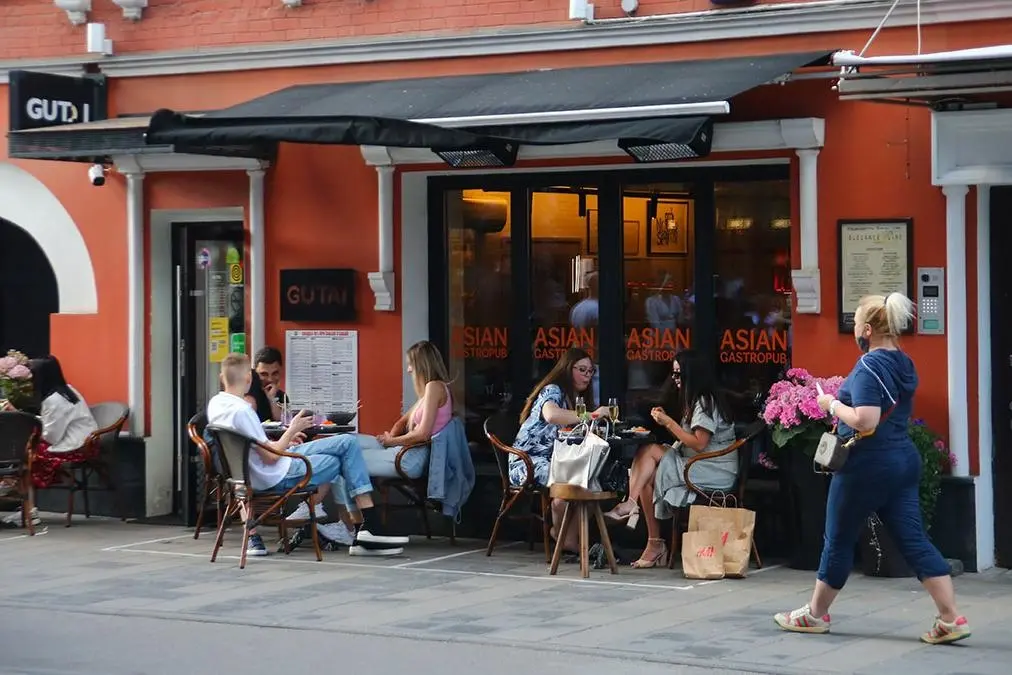
In the fifth year of Russia's ongoing war, many restaurants and bars are struggling to stay afloat. On central Moscow's main street, establishments like the Saperavi café, CoffeeMania, and Chaykhana No. 1 are seeing few customers. Even popular bars such as Harat's, the Krombacher beer restaurant, and the Czech pub Pilsner are experiencing a decline in foot traffic. However, these bars remain the only consistent sources of income for the owners.
Alexey, the owner of several Moscow restaurants and gastro-bars, attributes the downturn to the post-2022 stabilization phase. According to mapping app 2GIS, the number of restaurants in Russia's cities with a population over one million has dropped by 5% since spring 2026, while the number of smaller cafés has declined by 6% to 12,500.
The decline in customers is partly due to the decrease in tourist numbers caused by frequent drone attacks. Alcohol sales at restaurants have fallen by over 40% on average in the first half of 2026, and wine sales have dropped by 45% to 361,000 decaliters. According to Russian media, people are trying to save money by reducing their alcohol consumption.
The rising cost of restaurant services and the increased average check has been an issue long before the war. Sergei, a wine restaurateur, blames the industry's problems on the 2014 annexation of Crimea and subsequent sanctions. The import restrictions have affected both food and wine, leading to higher prices for imported ingredients and limited availability of premium wines. Excise duties on alcohol and spirits have also risen, squeezing the profit margins of restaurateurs.
Sergei recounts how the price of a bottle of excellent Trapiche Malbec increased from 690 rubles to 1,490 rubles, and the price of French Petrus rose from 400,000 rubles to 1.8 million rubles. These price hikes have forced middle-class customers to seek cheaper alternatives like food delivery and store-bought wine. Even Sergei himself has reduced his restaurant visits, opting for less frequent dining due to the rising costs.
Written by urgent.news from The Insider's reporting — not their text. Machine-written — may contain errors; check the original before relying on it.