WHO says no obesity drugs, surgery for under-10s
The UN health agency said that for 10-19-year-olds, approved medicines should be considered only after a supervised multimodal lifestyle programme has failed.
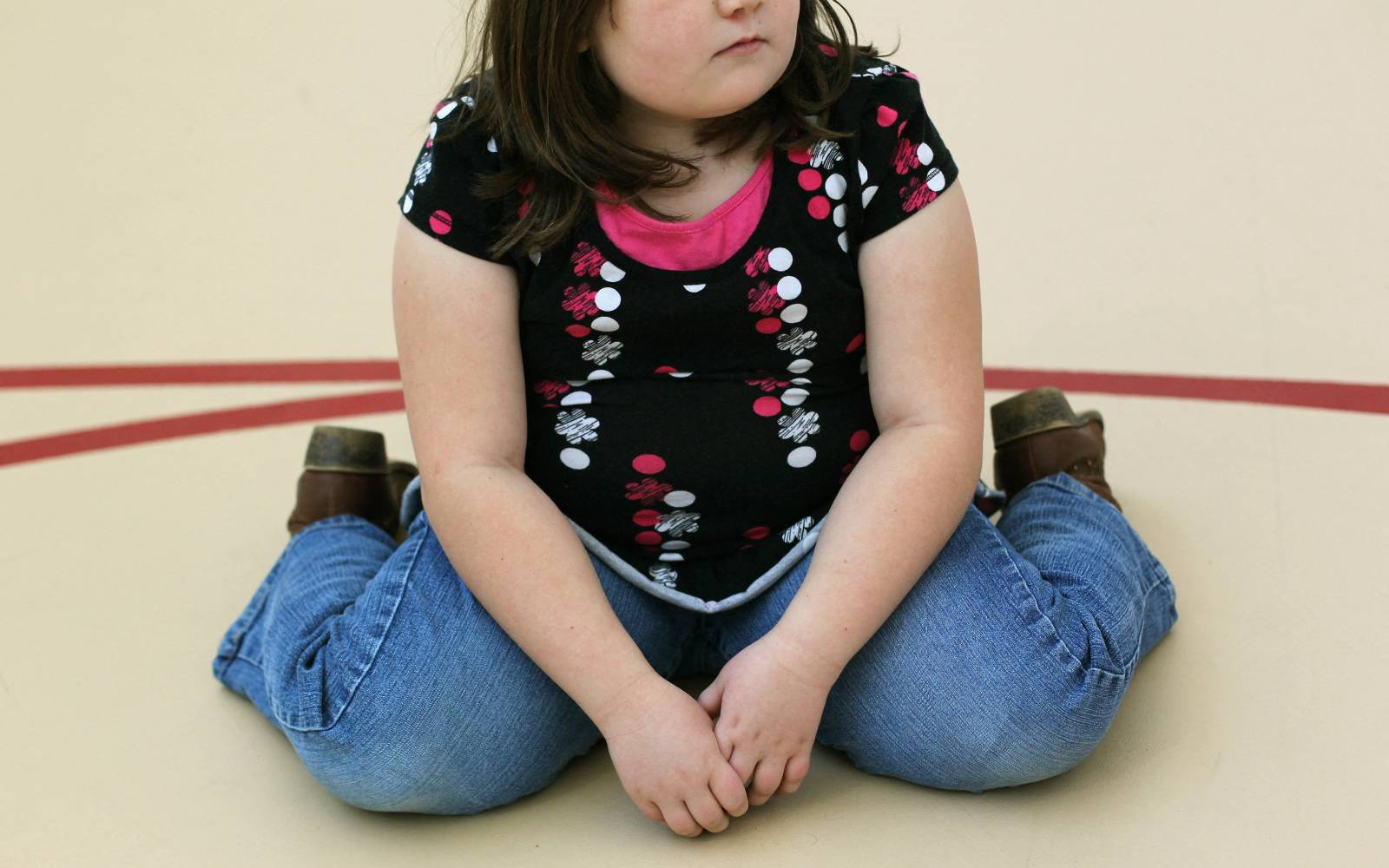
The World Health Organization (WHO) released guidelines in 2024 on addressing obesity among children and adolescents, stating that medicine and surgery are not the solution for overweight youngsters. Instead, the WHO strongly encouraged structured diets, physical activity, and behavior changes.
The organization explicitly advised against pharmacological treatment and bariatric surgery for children aged 0-9 years. For adolescents aged 10-19, treatment with approved medicines could be considered only when a supervised multimodal lifestyle program has not yielded the desired results. Bariatric surgery might be contemplated under strict conditions for adolescents with severe obesity.
These recommendations for individuals under 19 contrast with the WHO's guidelines for adult obesity, which were issued in December 2025. The surge in popularity of new-generation appetite-suppressing drugs called GLP-1 agonists, including brands like Ozempic and Mounjaro, did not influence the WHO's stance. The agency acknowledged that these weight-loss and diabetes drugs could be used to combat obesity in adults.
In 2024, the WHO reported that 70 million children aged five to nine and 100 million adolescents aged 10 to 19 worldwide were obese. The prevalence of obesity among 5- to 19-year-olds surged globally from 2% in 1990 to 8% in 2024. Luz Maria De Regil, the director of the WHO's nutrition and food safety department, noted that obesity is growing in low- and middle-income countries, while some high-income nations are beginning to stabilize the rise but have not yet achieved reductions.
The WHO emphasized that the foundation of children's and adolescents' obesity care is not medicine or surgery but access to comprehensive support to enable healthy eating, physical activity, and sustainable behavior change. The recommendations also highlighted the importance of addressing mental health alongside obesity, as anxiety, depression, and low self-esteem can contribute to unhealthy eating habits, physical inactivity, and social withdrawal.
Children and adolescents living with obesity may experience stigma and bullying, the UN health agency added.
Rewritten by urgent.news; may contain errors — check the original.
This story
This is one outlet's version. Read the fullest account.
- WHO says no obesity drugs, surgery for under-10s freemalaysiatoday.com
- WHO says no obesity drugs, surgery for under-10s iol.co.za
- WHO says no obesity drugs, surgery for under-10s thedailystar.net
- WHO says no obesity drugs, surgery for under-10s medicalxpress.com
- WHO says no obesity drugs, surgery for under-10s thehindu.com