WHO says no obesity drugs, surgery for under-10s
The recommendations also stressed the importance of addressing mental health alongside obesity
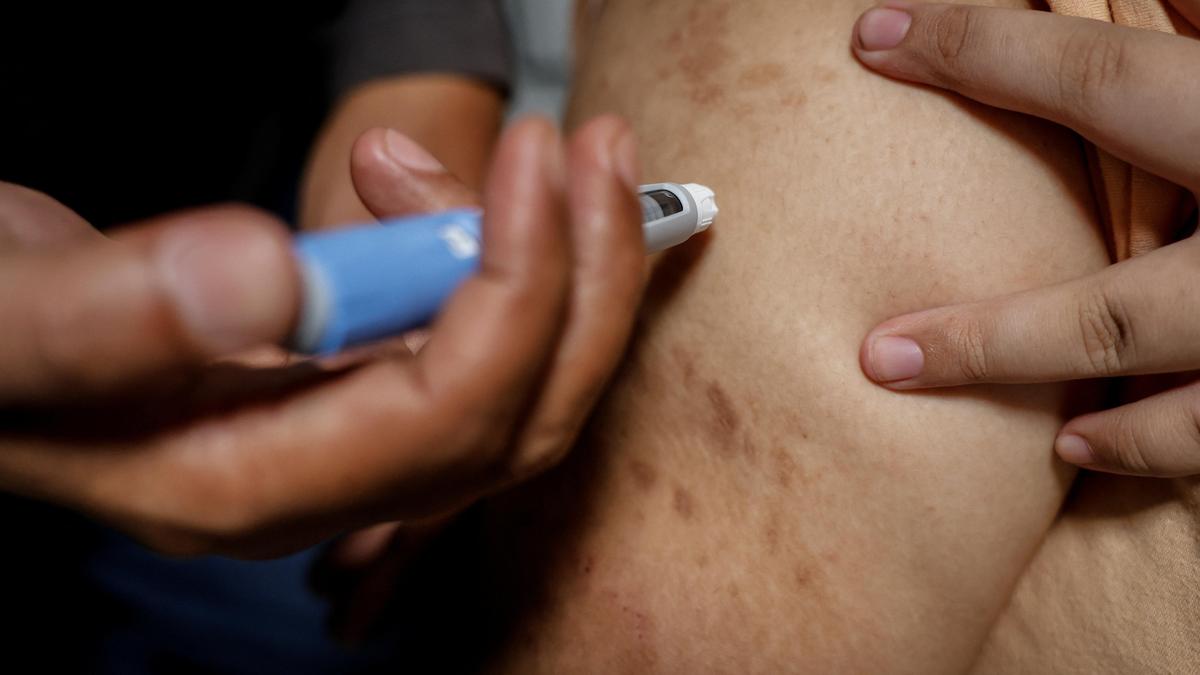
The World Health Organization (WHO) has stated that medicine and surgery are not appropriate solutions for overweight children, releasing its first guidelines on the increasing problem of obesity among children and adolescents. Instead, the WHO recommended structured diets, physical activity, and behavior changes as the primary treatments.
The organization specifically advised against pharmacological treatments, bariatric surgery, or weight-loss devices for children aged 0-9 years. For adolescents aged 10-19 years, treatment with approved medicines may be considered only when a supervised multimodal lifestyle program has not been successful. Bariatric surgery could be considered under strict conditions for adolescents with severe obesity.
These recommendations contrast with the WHO's guidelines for adult obesity, which were issued in December 2025, following the growing popularity of appetite-suppressing drugs known as GLP-1 agonists, such as Ozempic and Mounjaro. According to the WHO, approximately 70 million children aged five to nine and 100 million adolescents aged 10 to 19 were obese worldwide in 2024.
The prevalence of obesity has been rising globally, increasing from 2% in 1990 to 8% in 2024. The foundation of obesity care for children and adolescents lies in access to comprehensive support for healthy eating, physical activity, and sustainable behavior change, emphasizing the importance of addressing mental health issues such as anxiety, depression, and low self-esteem.
Written by urgent.news from The Hindu Health's reporting — not their text. Machine-written — may contain errors; check the original before relying on it.
Also reported by 3 other outlets
- WHO says no obesity drugs, surgery for under-10s iol.co.za
- WHO says no obesity drugs, surgery for under-10s medicalxpress.com
- WHO says no obesity drugs, surgery for under-10s thehindu.com