WHO says no obesity drugs, surgery for under-10s
The increase in obesity among children remains a cause for concern however, the WHO says medicine and surgery should not be a quick-fix solution.
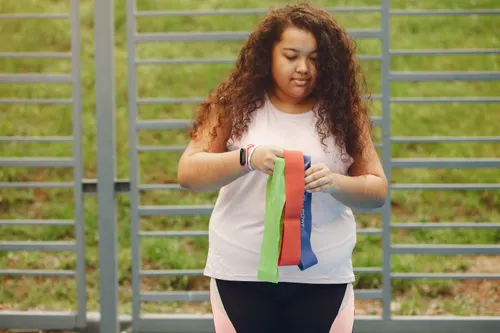
The World Health Organization (WHO) has published its first set of guidelines addressing the growing issue of childhood and adolescent obesity. In contrast to recent adult obesity guidelines, the WHO strongly advises against using medicine and surgery for overweight children under the age of ten. Instead, the organization recommends structured diets, increased physical activity, and behavioral modifications as the primary methods of treatment.
Adolescents aged 10 to 19 years may be considered for pharmacological treatments only if supervised lifestyle programs have failed to achieve the desired results. Bariatric surgery may be explored in severe cases among adolescents, but only under strict conditions.
These recommendations differ from the UN health agency's guidelines for adult obesity, which were released in December 2025. The WHO acknowledges the rising popularity of appetite-suppressing drugs known as GLP-1 agonists, including brands like Ozempic and Mounjaro, and states that these medications could be utilized to combat obesity in adults.
In 2024, approximately 70 million children aged five to nine were found to be obese, along with 100 million adolescents aged 10 to 19 worldwide. The prevalence of obesity among children and adolescents has increased globally, rising from two percent in 1990 to eight percent in 2024. This surge is observed in all regions, according to Luz Maria De Regil, director of the WHO's nutrition and food safety department.
While high-income countries are beginning to see a stabilization in obesity rates, low- and middle-income countries continue to experience a growing problem.
The WHO emphasizes that the foundation of obesity care for children and adolescents should focus on providing comprehensive support to enable healthy eating, physical activity, and sustainable behavior change. The organization also highlights the importance of addressing mental health issues, such as anxiety, depression, and low self-esteem, which can contribute to unhealthy eating habits, physical inactivity, and social withdrawal.
Children and adolescents living with obesity may face stigma and bullying, according to the UN health agency.
Written by urgent.news from IOL's reporting — not their text. Machine-written — may contain errors; check the original before relying on it.
This story
This is one outlet's version. Read the fullest account.
- WHO says no obesity drugs, surgery for under-10s freemalaysiatoday.com
- WHO says no obesity drugs, surgery for under-10s thedailystar.net
- WHO says no obesity drugs, surgery for under-10s medicalxpress.com