RBI policy rate hike to immediately pinch retail customers
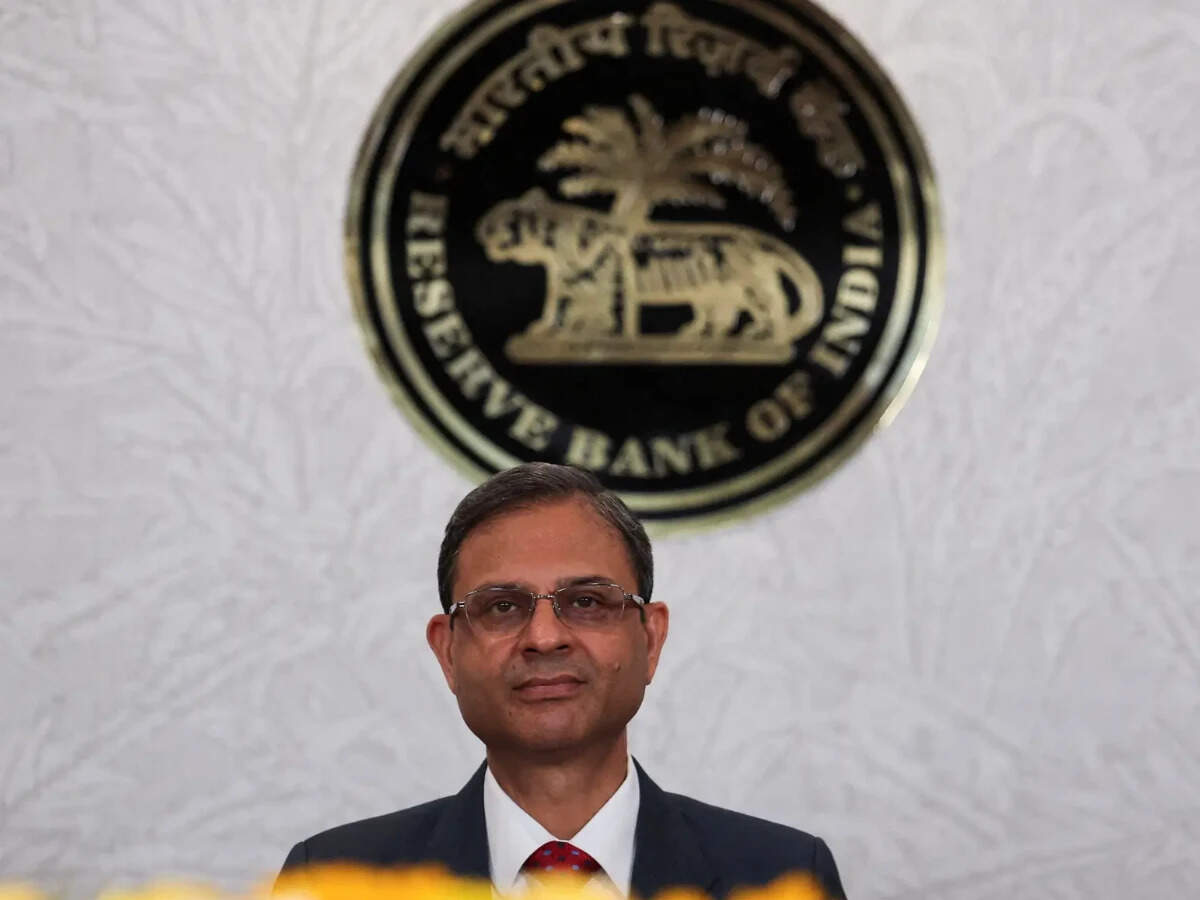
The RBI has raised the repo rate by 25 basis points to 5.50%, its first hike since February 2023, which could make floating-rate home, car and personal loans more expensive. Borrowers on repo-linked loans may face higher EMIs or longer tenures at their next reset, while fixed-rate loans will remain unaffected.

In October 2026, the Reserve Bank of India (RBI) raised the repo rate by 25 basis points to 5.50%, marking the first increase since February 2023 and a shift from its previous rate-cut cycle. This decision was influenced by three primary factors: India's growth outperforming expectations, building inflation risks, and a challenging global interest-rate environment.
GDP expanded 7.8% in the June quarter, exceeding the RBI's forecast by 80 basis points. High-frequency indicators in July and August also signaled strong economic activity. Global institutions have been raising their FY27 growth projections for India, reflecting the resilience of domestic consumption, public investment, and manufacturing and services sectors.
Retail inflation rose to 4.82% in August, up from 4.45% in July. Economists now anticipate a sharp acceleration in inflation during the December quarter, with some projections suggesting it could reach 6.2% to 6.3%. Inflation projections had been 4.7% for the September quarter and 5.9% for the December quarter.
A stronger US dollar, rising oil prices, and geopolitical tensions have created pressure on the rupee, increased imported inflation risks, and influenced foreign portfolio flows. Despite these challenges, the RBI believes that India's economy can tolerate moderate monetary tightening without significant negative impacts on growth.
Written by urgent.news from The Economic Times - Economy's reporting — not their text. Machine-written — may contain errors; check the original before relying on it.
This story
This is one outlet's version. Read the fullest account.