Market wrap: Oil rises and stocks fall as Hormuz worries flare, but rand stronger
Oil prices rose on Wednesday, and stocks fell amid fresh concerns about Middle East supplies following a warning that Iran appeared to be stepping up attacks in the Strait of Hormuz.
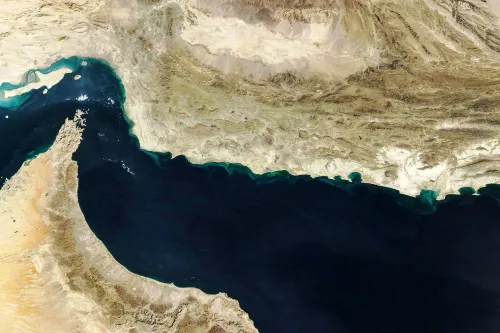
Oil prices surged on Wednesday, while stocks declined, driven by heightened worries over Middle East supplies following a statement that Iran seemed to be intensifying attacks in the Strait of Hormuz. Investors disregarded another all-time high on Wall Street, with the Nasdaq and S&P 500 lifted by a surge back into artificial intelligence (AI) investments, leading chip giant Nvidia to approach a $6 trillion market value.
The South African rand demonstrated a slight boost in early trading, reaching R16.57 to the US dollar from its recent peak of R16.70/$, but remains vulnerable to a robust dollar and rising oil prices, states Bianca Botes of Citadel Global. Annabel Bishop, chief economist at Investec, noted that foreigners have offloaded R14.5 billion in South African bonds, net of purchases, since early last week, indicating the nation's susceptibility to global risk aversion.
Despite an improvement in government finances, the bond sell-off has been limited. Confidence has been bolstered this week by reports suggesting Middle East exports, excluding Iran, are returning to pre-war levels, alleviating global inflation concerns and providing central banks with leeway to postpone interest rate hikes. However, both Brent and West Texas Intermediate prices rebounded on Tuesday, rising in early Asian trade as reports indicated Iran had heightened strikes on tankers in the vital Strait of Hormuz.
North Sea Crude for Brent reached 0.9 percent at $101.48 per barrel on Wednesday morning. On September 9th, UK Maritime Trade Operations reported nine attacks in the Strait this month, accounting for half of all incidents in September across the Strait and Gulf. Separately, Yemen's Houthi group claimed an assault on Riyadh's primary airport and contradicted reports that they had been repelled by government forces who have initiated a major operation to reclaim lost territories.
This news unfolded as oil industry leaders cautioned that global reserves are dwindling, diminishing governments' capacity to manage the crisis's repercussions. Despite a surge in oil flows across the region, this has been balanced by conflicting reports regarding the scale of attacks on vessels passing through the Strait, highlighted by Chris Weston at Pepperstone.
For now, the market remains highly sensitive to headlines and geopolitical risks, with equities declining after an encouraging start to the week. Tokyo, Hong Kong, Singapore, Seoul, Wellington, and Taipei were all down, while Sydney and Manila edged up. Traders did not follow the US market's lead, which continued to pour funds into tech companies ahead of the upcoming earnings season, which Bloomberg Intelligence anticipates will see S&P 500 profits grow by a quarter year-over-year.
Nvidia's record on the Nasdaq and S&P 500 was driven by its market valuation near $5.7 trillion. Additionally, a Financial Times report indicated SpaceX was eyeing a $40 billion raise to acquire Nvidia chips, even after a summer slump in tech firms spurred by concerns about the substantial investments in AI and the uncertain returns on such investments.
Written by urgent.news from IOL's reporting — not their text. Machine-written — may contain errors; check the original before relying on it.
This story
This is one outlet's version. Read the fullest account.
- FTSE 100 Live: Stocks to fall as Strait of Hormuz comes under threat cityam.com
- Oil rises and stocks fall as Hormuz worries flare thejakartapost.com
- FTSE 100 Live: Pound and Gilts Head for a Down Day bloomberg.com