RBI MPC Meeting 2026: West Asia conflict keeps global outlook uncertain, says Sanjay Malhotra
The Reserve Bank of India has raised the policy repo rate by 25 basis points to 5.50%. This increase is the first since February 2023 amid economic uncertainties both domestically and globally. Geopolitical developments have contributed to instability in global markets, affecting economic activity. Despite these challenges, the RBI noted that the Indian economy remains strong with broad-based…
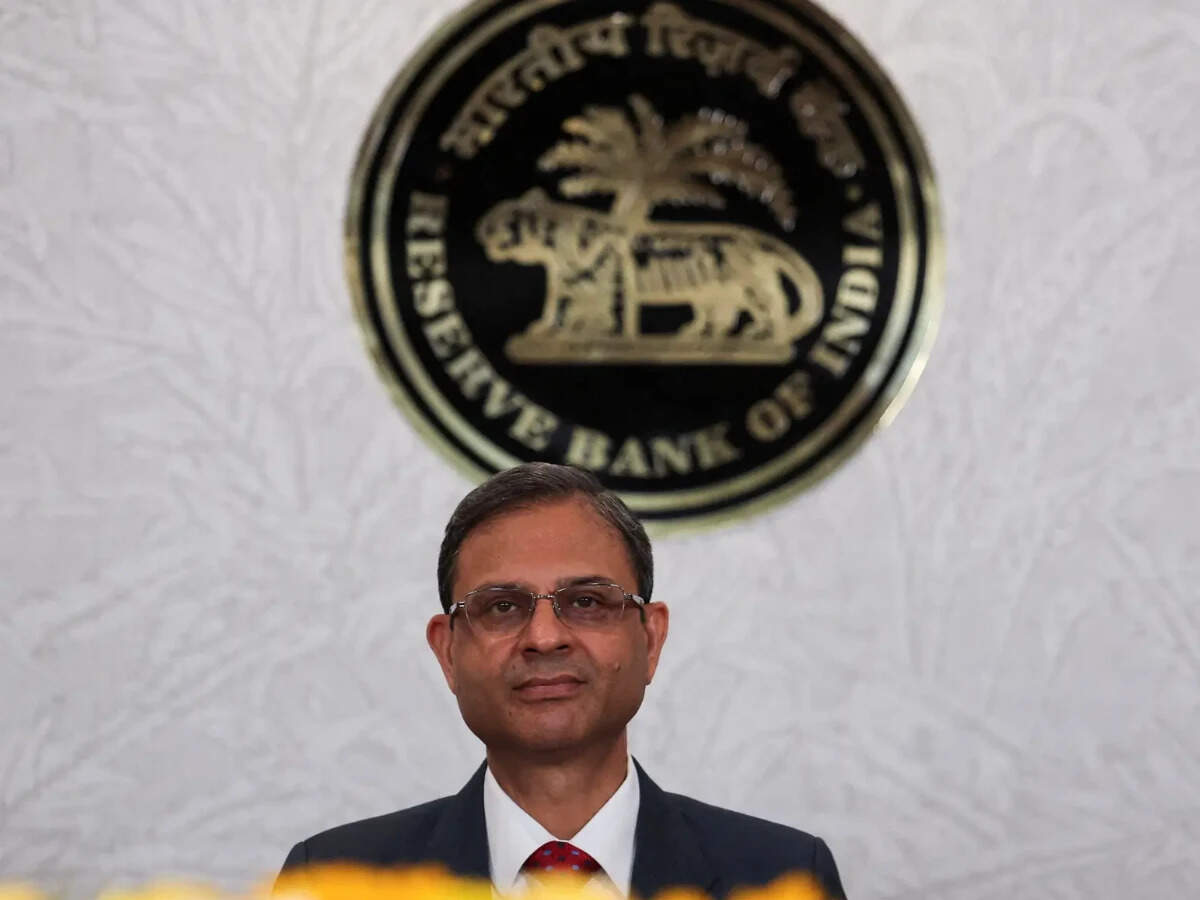
On Wednesday, the Reserve Bank of India increased the policy repo rate by 25 basis points to 5.50%, marking its first hike since February 2023. Governor Sanjay Malhotra acknowledged the global economic landscape was challenging due to geopolitical developments, but noted the Indian economy remained robust, with broad-based economic momentum.
The re-escalation of the conflict in West Asia had kept global economic outlook uncertain, according to the RBI. The central bank pointed to sharp volatility in crude oil prices following the conflict's re-escalation since the last MPC meeting in August. This geopolitical instability has contributed to accelerating inflation in key economies, prompting a move towards more hawkish monetary policy.
In addition to the West Asia conflict, global bond yields remained at record high levels due to tighter global financial conditions and fiscal sustainability concerns in major economies. The RBI highlighted the potential for further tightening of global financial conditions, continuing high valuations in AI-related assets, and high public debt as significant risks to the global outlook.
For India's economy, the RBI anticipated that global economic uncertainty would continue to impact domestic economic activity. Energy prices and supply chain pressures were ongoing concerns, although their near-term trajectory remained uncertain due to the unresolved West Asia conflict. However, the central bank noted active diversification of supply sources was helping contain their adverse impact.
Deficient southwest monsoon and strong El Niño conditions posed risks to the agriculture sector and rural demand. Yet, a healthy buffer of foodgrains and proactive government policy interventions were expected to mitigate these effects. The RBI believed momentum in services and stable employment conditions would support urban demand. Strong capacity utilisation, robust credit flows, and the government's focus on infrastructure were expected to sustain investment activity.
Services exports were anticipated to remain buoyant, and bilateral trade agreements were expected to boost merchandise exports.
Written by urgent.news from The Economic Times - Economy's reporting — not their text. Machine-written — may contain errors; check the original before relying on it.