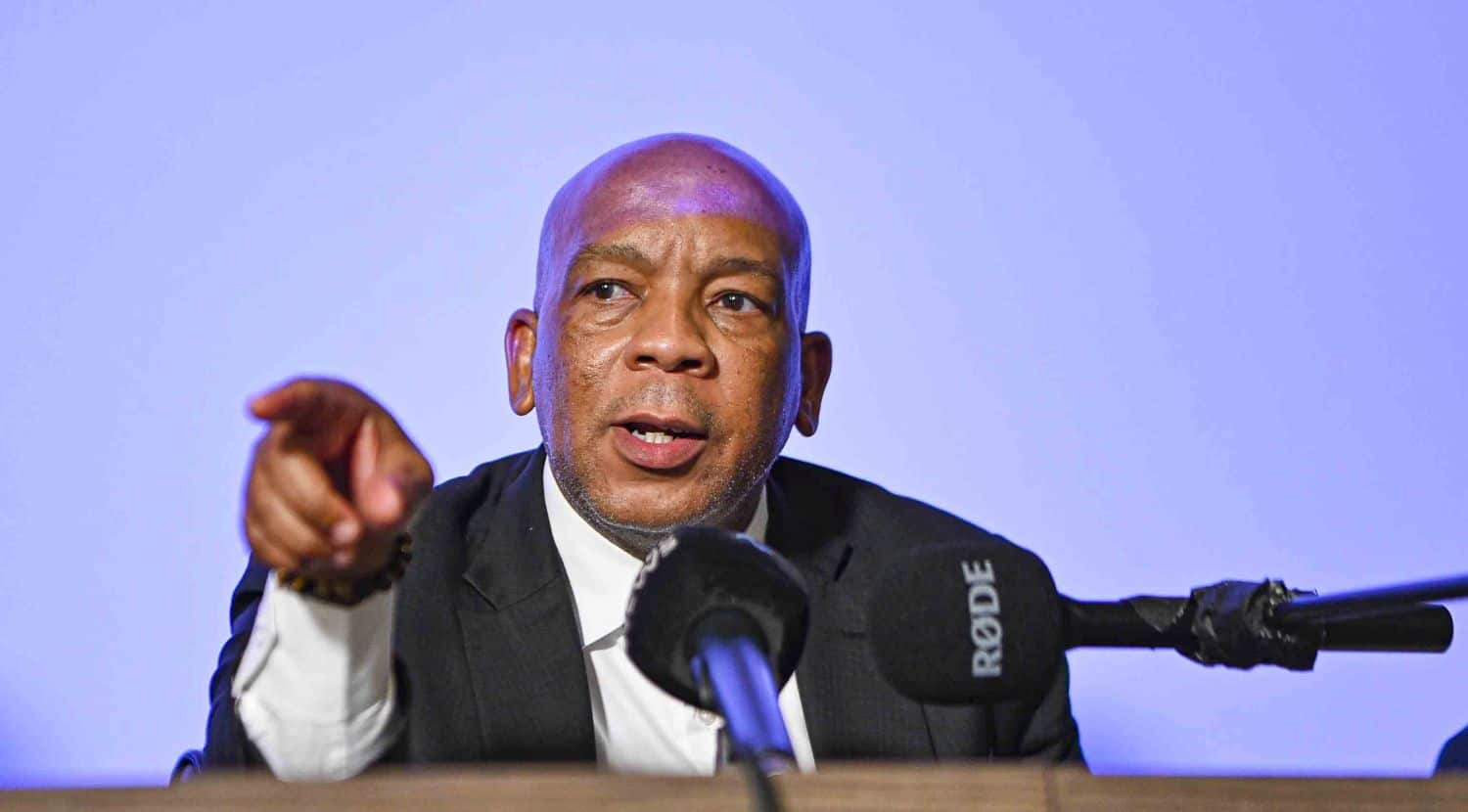
Middle East latest: Houthi attacks on Taiz kill six and wound 18, Yemeni minister says
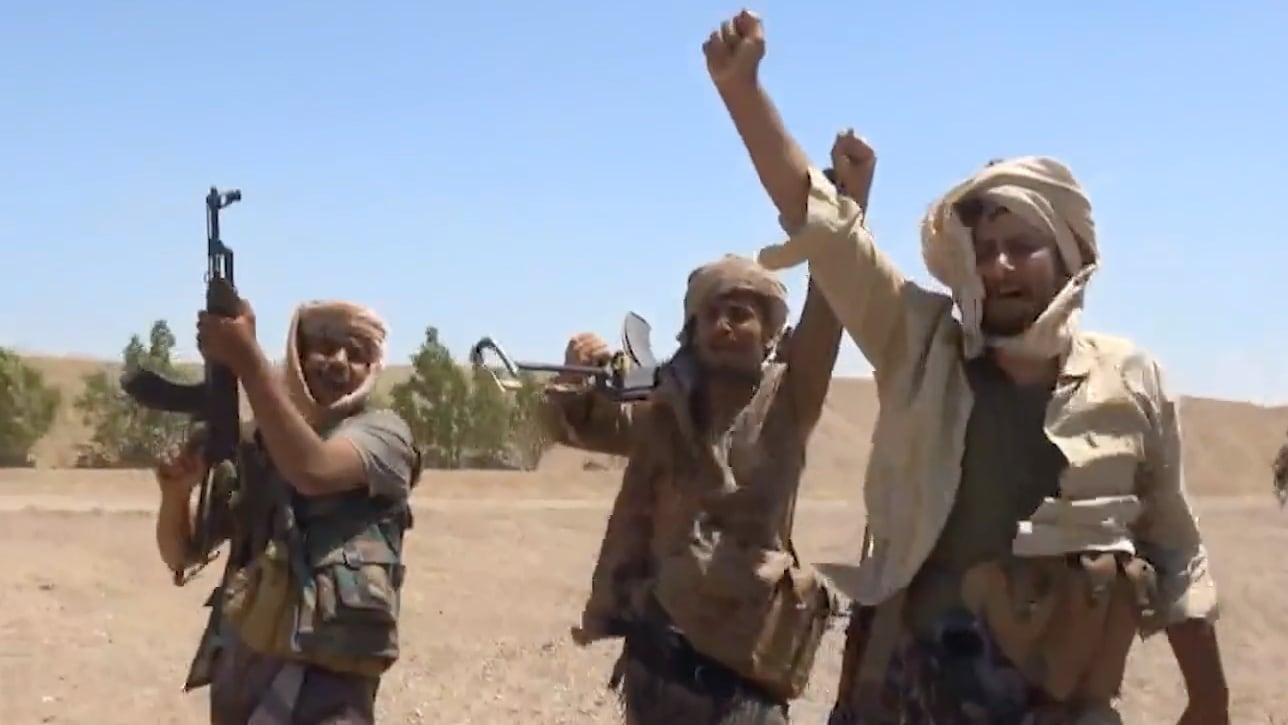
On the third anniversary of the Hamas-led October 7 attacks on Israel, the families of those Israelis killed or taken hostage face an especially poignant commemoration. Simultaneously, the families of the thousands of Palestinians who perished and countless more who were injured or displaced in the ensuing Israeli assault on Gaza are still grappling with immense hardship.
While October 7 was a pivotal moment for the broader Middle East, it is essential to acknowledge that the Palestinian-Israeli conflict predated that day. The Palestinian gunmen's presence within Israeli territories and communities marked a significant rupture, but it also triggered dynamics that had been brewing across the region for years.
The assaults originating from the besieged and impoverished Gaza Strip shattered Israel's sense of security. Moreover, they revealed the flawed belief that the Palestinian occupation could be managed rather than dismantled. The pain inflicted on regular Israelis, the abandonment of Gaza's Palestinians to Israeli retaliation, and the political gains for Israel's nationalist factions are additional consequences of that fateful day.
The response to October 7 has transcended Gaza, with Israel launching or aiding military operations against entities associated with Iran and its allies in Lebanon, Syria, and Iran itself. It also targeted Hamas leaders based in Qatar in September of the previous year. While the initial reaction was a response to a single attack, it has evolved into a larger regional conflict.
This should not diminish the gravity of Hamas's actions against civilians. However, "security" should not be a permanent rationale for an endless war. The true lesson of October 7 is that the previous assumptions were incorrect. The Palestinian issue cannot be indefinitely postponed, and the occupation must conclude. Gaza cannot merely be managed.
Regional stability cannot be achieved by expecting adversaries and their grievances to be contained indefinitely. If military action alone could guarantee lasting security, three years of conflict would have brought the region closer to it. Ultimately, genuine security necessitates political arrangements that reduce the likelihood of another October 7 attack.
This entails a process that ultimately addresses Palestinians' right to a secure future, free from occupation. Israel's upcoming election presents the nation's society with an opportunity to deliberate on this matter. The primary concern should not be preventing the next attack but envisioning what a truly secure Israel would look like in 10, 20, or 30 years.
A practical path to such a future involves political negotiations, not perpetual warfare. Concurrently, the necessity for Palestinian elections grows more urgent. Remembering October 7 means honoring its victims. However, acknowledging those lives should also include rejecting the notion that the ensuing suffering is inevitable.
The Middle East requires a distinct answer to the failures exposed on that day; that entails a political future where security and Palestinian self-determination are no longer viewed as incompatible objectives.
Written by urgent.news from The National Business's reporting — not their text. Machine-written — may contain errors; check the original before relying on it.
This story
This is one outlet's version. Read the fullest account.