Why SA households are left without power while the country generates excess electricity
Government plans to buy 4 600MW of battery storage to protect South Africa's electricity supply.
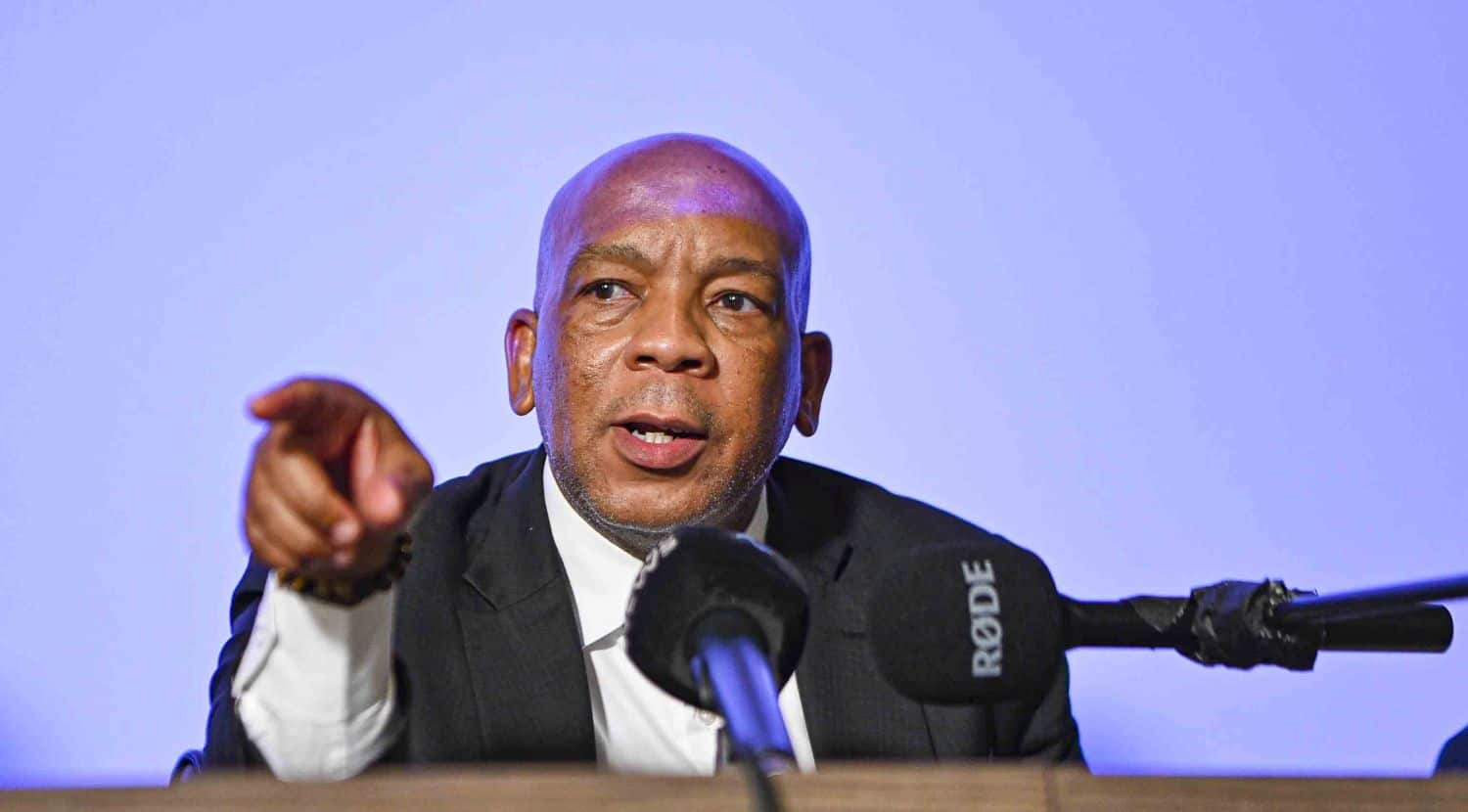
South Africa's energy minister, Kgosientsho Ramokgopa, recently revealed that the nation has an abundance of electricity but still leaves numerous households without power. Ramokgopa explained that the discrepancy between electricity generation and household access stems from affordability issues, rather than the sheer volume of power generated. He announced plans to invest in 4,600MW of battery storage and a new gas program to address the problem.
Ramokgopa emphasized that electricity supply and access are two distinct aspects. While the grid has excess power, many households cannot afford the costs to buy the required units of electricity. He explained that Eskom does not set electricity prices; instead, the National Energy Regulator of South Africa (Nersa) determines tariffs based on a policy introduced in 2008.
The minister noted that electricity prices need to be adjusted to ensure households have access to power. He also highlighted that new transformers, costing around R500,000 each, need to be installed, requiring substantial funding. Officials are exploring ways to utilize surplus daytime power to benefit both households and industries, pending regulator approval.
Ramokgopa linked the load reduction measures to illegal connections, growing informal settlements, and weak municipal planning. These factors contribute to overloaded local networks, which prompt load reduction actions. He pointed out that load reduction had been successful in seven of the nine provinces.
The government plans to procure all 4,600MW of battery storage allocated under the Integrated Resource Plan (IRP) 2025 to alleviate grid pressure, despite initially expecting only about 2,200MW of storage by 2030. This allocation is more than double the initial estimate because excess electricity generation is already straining the system. Ramokgopa warned that delaying this intervention could lead to a crisis, as renewable projects coming online would worsen the situation.
Written by urgent.news from The Citizen's reporting — not their text. Machine-written — may contain errors; check the original before relying on it.