Microsoft, Nvidia unveil new AI PCs with RTX Spark chip at San Francisco event
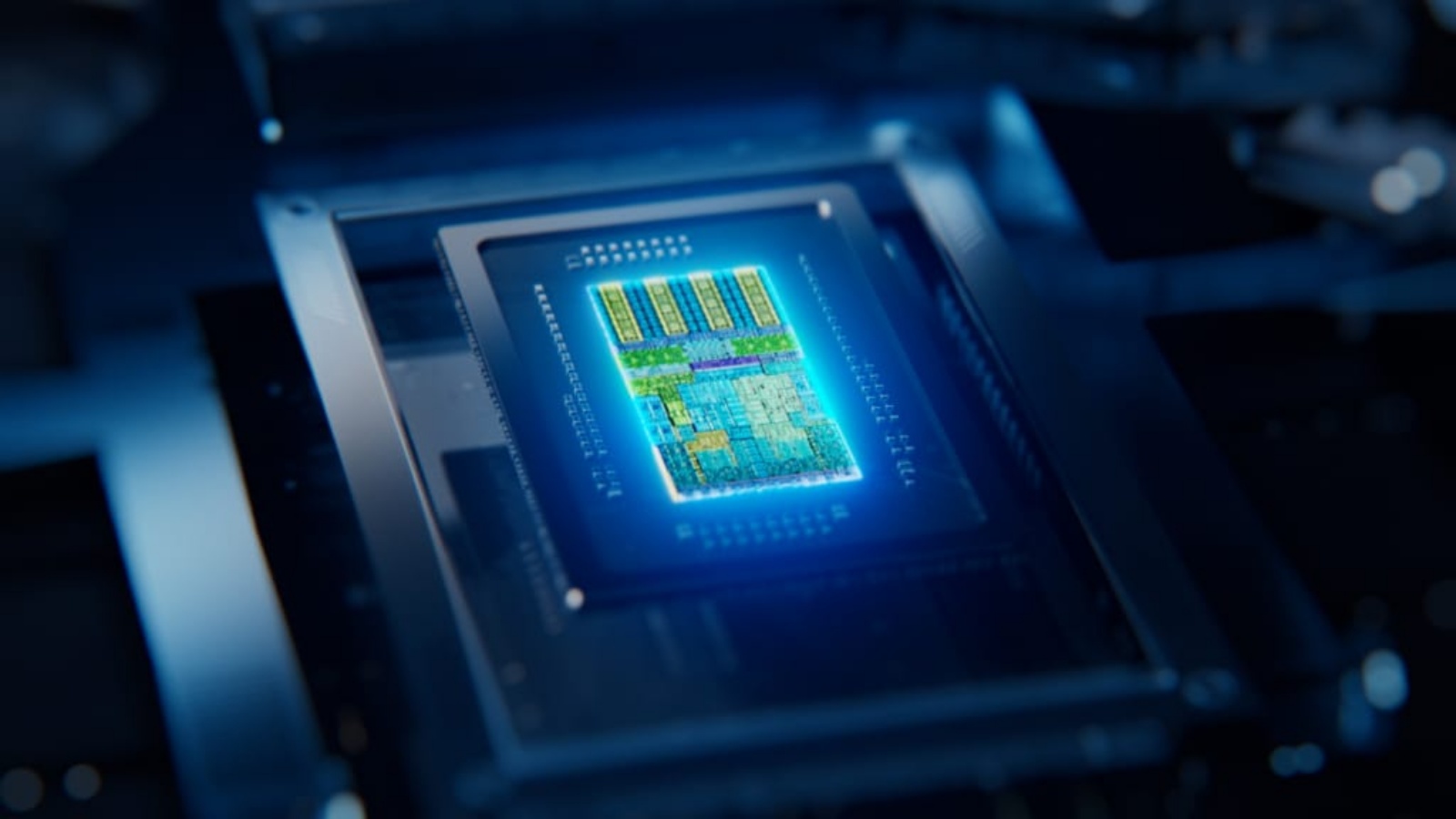
Microsoft and Nvidia unveiled a new line of AI-powered Windows laptops at an event in San Francisco, vying with Apple's MacBook Pro lineup. The centerpiece of the announcement was the Surface Laptop Ultra, featuring Nvidia's RTX Spark chipset. The Ultra, starting at $2,599, offers up to 128 GB of unified memory and showcases the power of hybrid intelligence, allowing AI agents to run locally and in the cloud.
Nvidia's Jensen Huang declared the project a "reinvention of the personal computer," integrating capabilities from gaming laptops, workstations, supercomputers, and the cloud onto one superchip. The company expects hundreds of AAA and indie games to launch on day one, with Call of Duty set to arrive in 2027. The Surface RTX Spark Dev Box, priced at $5,999, caters to hardcore developers and creators.
Microsoft showcased the laptop running GitHub Copilot and playing Gears of War: E-Day at 60 frames per second, highlighting the potential of local AI computing, creative workloads, and ray-traced gaming.
Rewritten by urgent.news; may contain errors — check the original.
This story
This is one outlet's version. Read the fullest account.
- Deals: Galaxy S26/Ultra up to $510 off, Lenovo IdeaPad 2K touchscreen laptop $250 off, Anker chargers, more 9to5google.com
- Microsoft Launches Its First RTX Spark Laptop — Surface Laptop Ultra propakistani.pk
- Microsoft's Surface Laptop Ultra starts at $2,600, running Nvidia's RTX Spark chip techspot.com
- Pre-orders are live on Nvidia RTX Spark devices — secure the Surface Laptop Ultra or other RTX Spark laptop, starting at $2,599 tomshardware.com
- Microsoft and Nvidia are teaming up on a supercharged AI laptop marketwatch.com
- Microsoft to sell $2,599 Surface Laptop Ultra containing Nvidia AI chip cnbc.com
- Microsoft says 'break up with your MacBook' and buy a Surface Laptop Ultra techradar.com
- Microsoft seems very excited about its new magnetic USB Type-C charger for the Surface Laptop Ultra, but it don't impress me much pcgamer.com