Metall- und Elektroindustrie: Tarifgespräche in NRW und Baden-Württemberg: Lohn im Fokus
Kampfbereitschaft und Forderungen treffen auf Sorgen um Arbeitsplätze: Wie IG Metall und Arbeitgeber in die aktuellen Lohnverhandlungen starten.
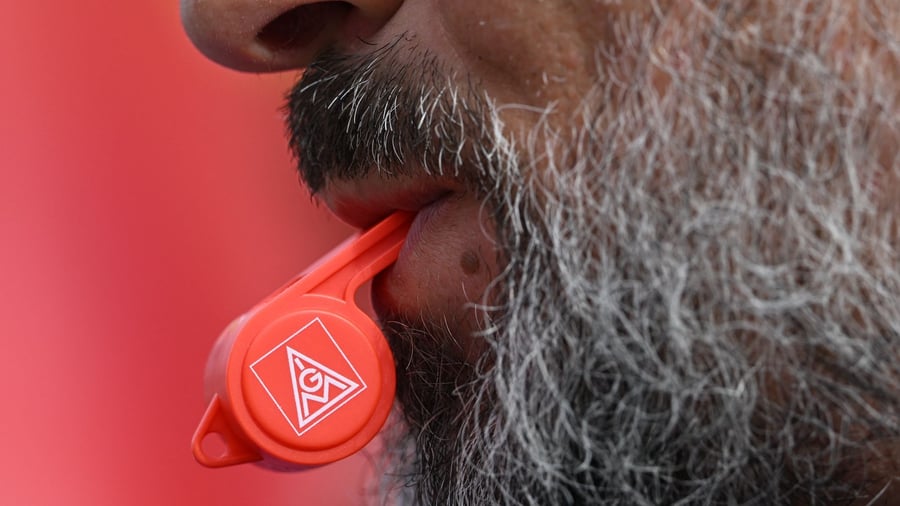
Regional negotiations for the German metal and electronics industry kick off on Wednesday in North Rhine-Westphalia and Baden-Württemberg. IG Metall enters the talks with a demand for a 5 percent wage increase over a twelve-month period, aiming to offset the recent surge in inflation. This rise in income is a minimum objective, affecting roughly 3.7 million employees across various sectors such as automotive, machinery, electronics, and defense.
In North Rhine-Westphalia, about 640,000 people are employed in this industry, while in Baden-Württemberg, there are around 900,000 individuals. The employers' association Gesamtmetall does not see room for a lavish wage increase and points to increased deindustrialization, with hundreds of thousands of job losses in recent years, attributed to high labor costs.
In Baden-Württemberg, Mercedes-Benz initiated a discussion on working hours, proposing a return to a 40-hour workweek without wage compensation. The 35-hour week is already regulated in the collective bargaining agreement, but it is not on the agenda for the ongoing tariff negotiations, as the relevant clause has not been terminated.
This round is purely focused on wages. IG Metall demands an employer offer at the start of negotiations. The Baden-Württemberg IG Metall district leader Barbara Resch called on the regional employers' association Südwestmetal to submit an offer at the onset of negotiations, stating that this tariff round is about recognition and secure jobs.
Employer negotiation leader Peter Krause noted that the industry faces immense pressure and expects IG Metall to take its responsibility to prevent the loss of industrial substance and further job cuts. Both in Baden-Württemberg and North Rhine-Westphalia, IG Metall has emphasized its determination before the negotiations. The battle spirit is significantly higher than in previous years, according to North Rhine-Westphalia negotiation leader and district leader Knut Giesler. The peace duty ends on October 31st. From then on, warning strikes become possible.
Written by urgent.news from Handelsblatt's reporting — not their text. Machine-written — may contain errors; check the original before relying on it.