Faster fabrication, better performance for PCECs
A nano-precursor synthesis route reduces manufacturing time and cost while improving the performance of protonic ceramic electrochemical cells The post Faster fabrication, better performance for PCECs appeared first on Physics World .
Protonic ceramic electrochemical cells, or PCECs, serve as fuel cells and electrolysers, converting hydrogen into electricity or splitting water into hydrogen and oxygen using electricity. This versatility makes them valuable in hydrogen energy systems, enabling excess renewable power to be transformed into hydrogen, stored, and subsequently converted back into electricity.
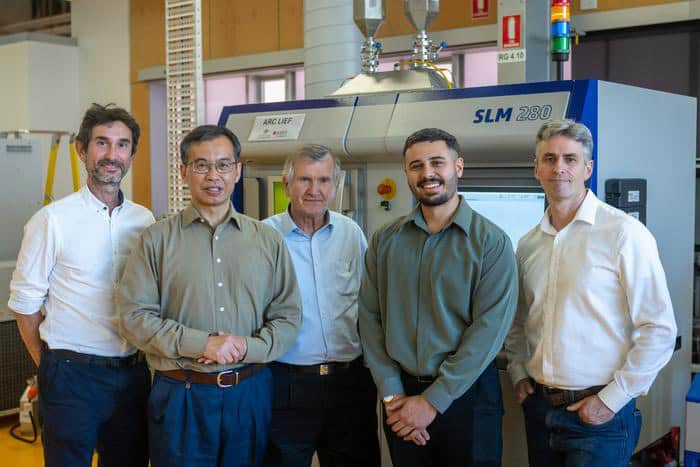
However, the manufacturing of the proton-conducting ceramic electrolyte layer is complex, requiring time-consuming procedures that drive up costs. In an effort to streamline production and enhance performance, researchers explored alternative methods using nano-sized precursor powders. By eliminating the need for ball-milling, they were able to reduce the production time from 85 hours to just 33 hours.
Moreover, the finer electrolyte powder achieved a denser ceramic structure at lower temperatures, resulting in reduced electrical resistance and improved efficiency. The new PCECs demonstrated up to 32% higher peak power density in fuel cell mode and 40% higher electrolysis current density at 600°C compared to cells made using traditional synthesis methods, while maintaining stable operation for over 500 hours.
This cost-effective manufacturing process also cut expenses by 25-29% and was successfully applied to larger-area cells. The researchers' findings could pave the way for wider adoption of protonic ceramic electrochemical technologies in hydrogen production and energy conversion systems.
Written by urgent.news from Physics World's reporting — not their text. Machine-written — may contain errors; check the original before relying on it.