Do you need a mouse with an 8K polling rate?
A gaming mouse with an 8,000 Hz polling rate sounds awesome and speedy on paper, but let's take a look at what that actually means.
Gaming peripherals, such as mice and keyboards, typically have a standard polling rate of 1,000 Hz, which results in a 1 millisecond delay between mouse movement and communication with the computer. This is significantly faster than the standard polling rate for non-gaming peripherals, which is 125 Hz (8ms latency). In recent years, gaming companies have been experimenting with even higher polling rates, up to 8,000 Hz, in their ultra-lightweight esports-oriented gaming mice. The question remains, however, whether gamers actually need a mouse with an 8,000 Hz polling rate.
Polling rate refers to how often the mouse communicates with the PC, reporting mouse movement and clicks. A higher polling rate means that the mouse communicates more frequently with the PC, resulting in lower latency or delay. While a higher polling rate can reduce latency, the difference becomes less noticeable beyond a certain point, as fractions of a millisecond may not be easily discernible by the average gamer.
Moreover, ultra-high polling rates can have potential downsides, such as increased CPU performance requirements and decreased battery life for wireless mice.
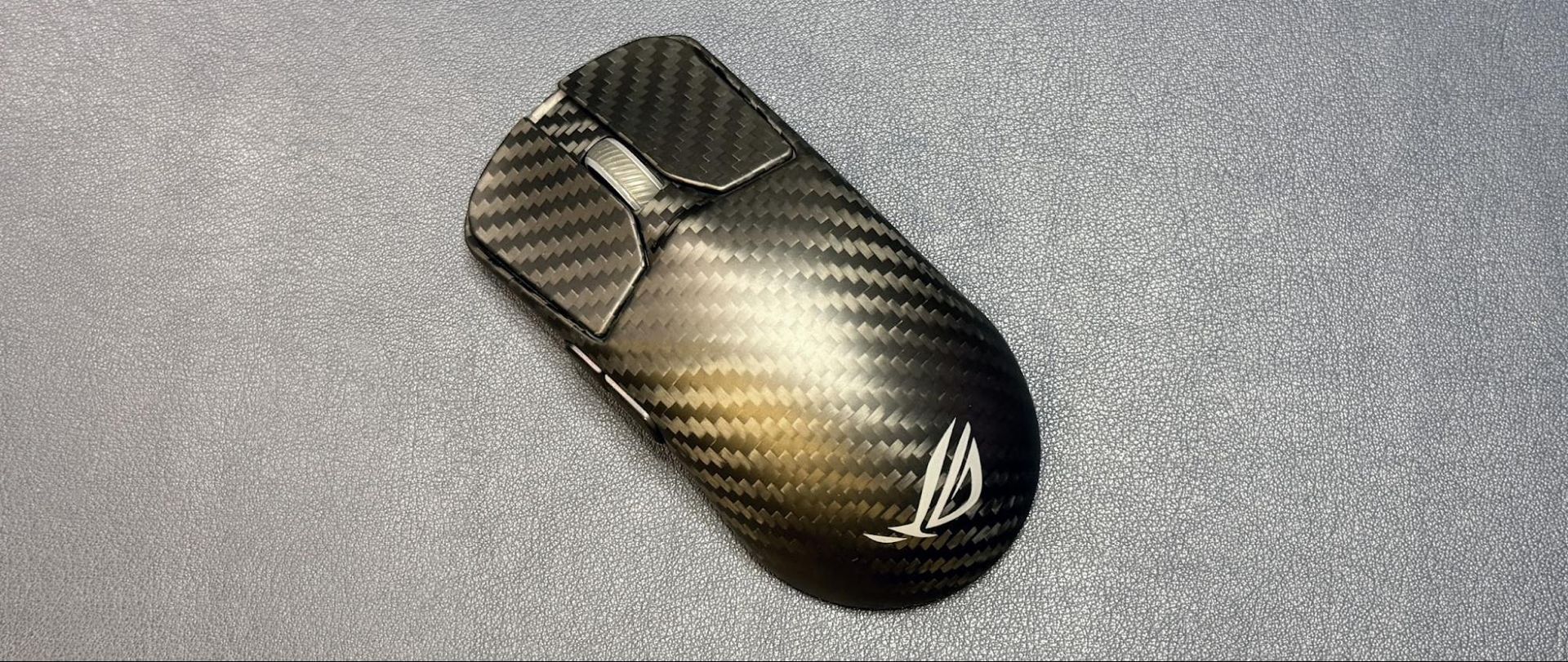
Some high-end gaming mice, such as the Razer DeathAdder V4 Pro and the Asus ROG Harpe Ace Extreme, offer 8,000 Hz polling rates. However, these mice often come with a higher price tag. For those on a budget, Razer's DeathAdder V3 wired gaming mouse also supports an 8,000 Hz polling rate and is available at a discounted price. Additionally, budget-friendly options like the Redragon M916 ULT also offer an 8,000 Hz polling rate, making it an attractive choice for gamers seeking high-performance equipment at a lower cost.
Written by urgent.news from Tom's Hardware's reporting — not their text. Machine-written — may contain errors; check the original before relying on it.