Budget 2027: Need for upgraded offensive capabilities and asset replenishment
LETTER: Malaysia's defence spending has historically hovered around one per cent of its GDP, trailing regional peers including Singapore, Indonesia, Vietnam and Thailand.
Malaysia's defense spending has consistently been around one percent of its GDP, falling short of regional counterparts such as Singapore, Indonesia, Vietnam, and Thailand. The allocated budget for this year is projected to not surpass approximately RM17.3 billion, as it was last year. Around 70 percent of this amount will be spent on operational expenses like salaries, maintenance, and administrative costs, while roughly 30 percent - around RM5.19 billion - will be directed towards developing new assets crucial to the nation's defense.
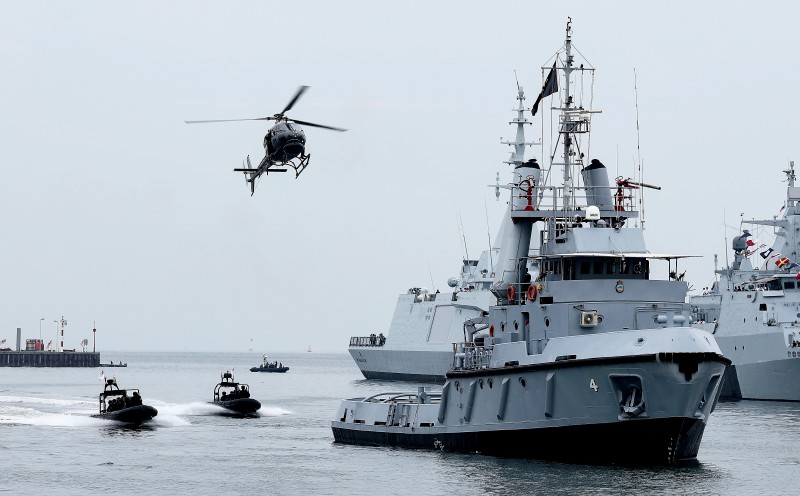
The question arises: can Malaysia acquire more assets with less than RM5 billion? It is highly unlikely that this sum could be utilized to purchase two additional Scorpene-class attack submarines, previously bought for RM3.4 billion in 2002. The defense bill for six Maharaja Lela-class littoral combat ships, contracted in 2011 to Boustead Naval Shipyard at a cost of RM9.13 billion (approximately RM1.3 billion per boat), is still pending the delivery of one ship.
Given the escalating costs of modern, state-of-the-art military weapons systems, Putrajaya must allocate more funds to the Ministry of Defence (Mindef) to upgrade offensive capabilities. Developing skilled manpower and software for surviving in the fast-changing digital geopolitical landscape also requires resources and contributes to operational agility.
According to the Defence White Paper: A Secure, Sovereign and Prosperous Malaysia (2020), presented to Parliament in 2019, Malaysia should spend a minimum of 3.5 percent of its GDP annually, as stated in the paper.
The primary objective of this white paper was to ensure the armed forces maintain a minimum level of preparedness on land, air, sea, and now in the cyber domain. Recognizing that the defense of the country necessitates a whole-of-society approach, the Defence White Paper advocates for the reinstatement of total defense (HANRUH or Pertahanan Menyeluruh). Under this concept, every citizen, business, and community organization is legally obligated to safeguard national security against any form of threats.
Written by urgent.news from New Straits Times's reporting — not their text. Machine-written — may contain errors; check the original before relying on it.