PODCAST: Can South Africa trust its election results? IEC chief responds
Get ready for South Africa's local government election with insights on the IEC's preparation and voting technology.
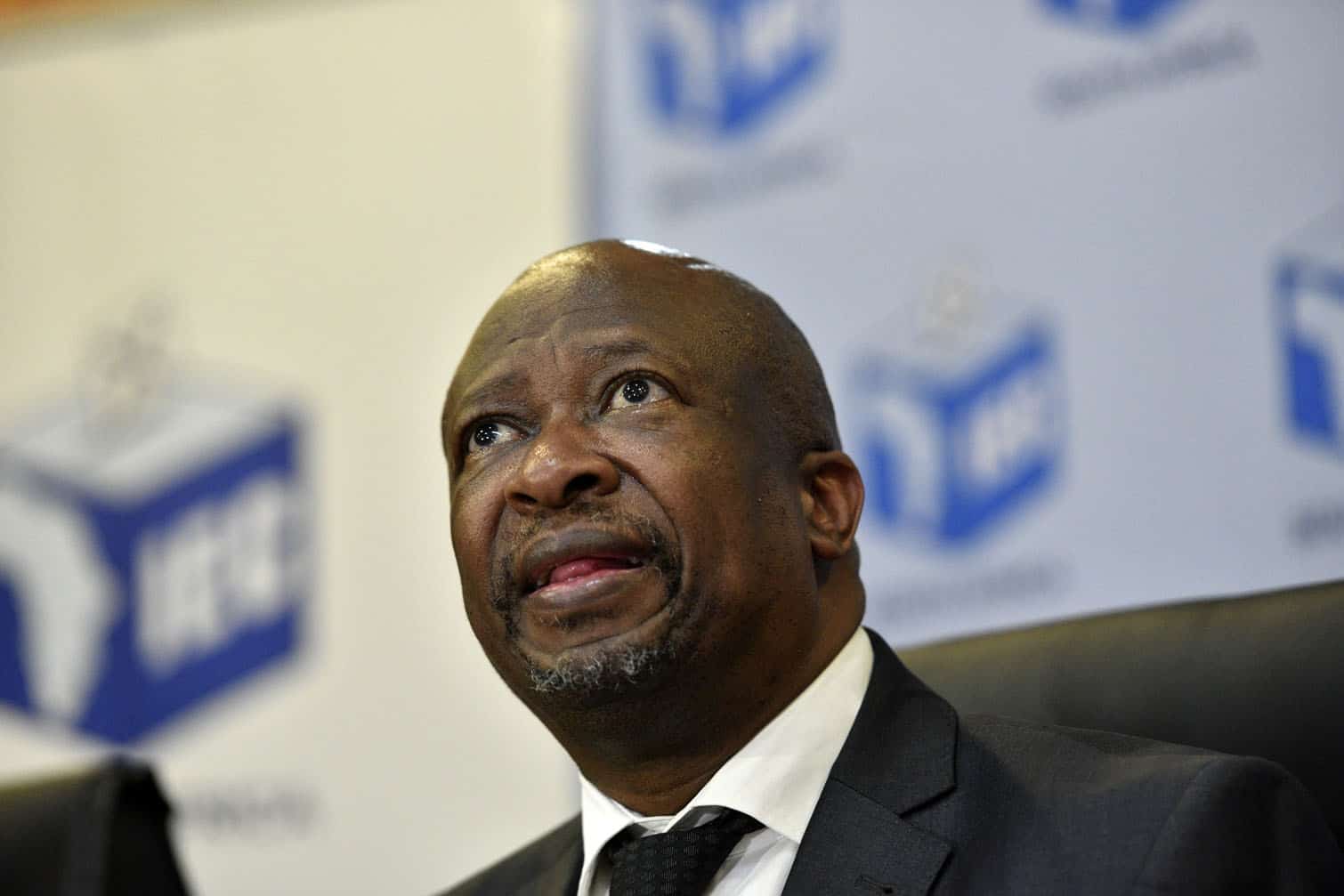
The Electoral Commission of South Africa (IEC) is gearing up for a fiercely contested local government election scheduled for November 4th. Chief Electoral Officer Sy Mamabolo recently shared insights on election preparations, transparency, security, and the evolving role of voting technology in an interview on The Citizen's The Movement podcast.
With over 100,000 candidates predicted to contest more than 10,000 council seats, Mamabolo acknowledged the considerable logistical hurdles ahead. However, he emphasized these challenges as integral to South Africa's democratic process.
Prioritizing transparency, the IEC plans to have results counted at polling stations under the watchful eyes of party representatives. These representatives will sign off on the results and can photograph them for their records. The IEC also intends to enhance digital access to results, enabling political parties to view scanned results slips and gather data from the system itself. They will be able to cross-reference this information with photographs taken at voting stations to bolster confidence in the results.
While electronic voting is being considered for future elections, Mamabolo highlighted ongoing concerns regarding cybersecurity, cost, and transparency. Currently, electronic voting would involve the use of electronic machines at polling stations, which would generate a paper record to verify each voter's choice, crucial for recounts or disputes. South Africa must ensure that political parties and citizens are fully engaged in the electoral process.
In terms of election security, the IEC foresees a highly contested election that may pose security risks. Mamabolo assured that security agencies have already devised plans to safeguard voters, candidates, and election materials. He called upon political leaders to refrain from making unsubstantiated allegations and urged them to raise any concerns through the appropriate channels.
Lastly, Mamabolo detailed how political parties receive public funding. Ninety percent is distributed proportionally, while the remaining ten percent is equally shared among qualifying parties. Parties must account for the expenditure of public funds, and any direct donations exceeding R200,000 must be disclosed. Ultimately, Mamabolo encouraged South Africans to view elections as a celebration of democracy.
Written by urgent.news from The Citizen's reporting — not their text. Machine-written — may contain errors; check the original before relying on it.
This story
This is one outlet's version. Read the fullest account.