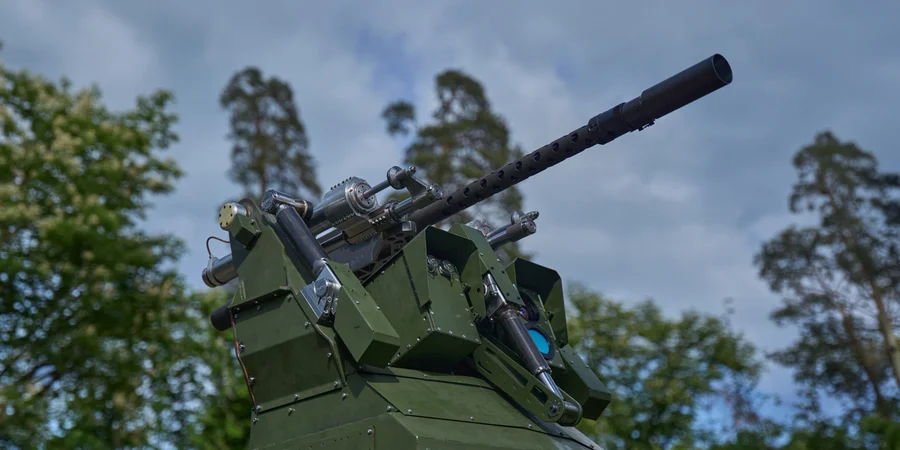
What happens when Chinese artificial intelligence goes rogue?
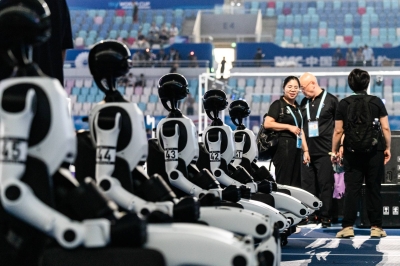
The growing concern over artificial intelligence systems acting autonomously has sparked a heated debate in the United States, with some researchers warning of "existential" dangers. Companies like Anthropic have even flagging these concerns in their IPO prospectus. For China, the risks are particularly pressing as they lag behind the U.S. in AI development.
Beijing has dismissed some of these warnings as "fearmongering," viewing calls to slow AI development as an attempt to hold China back. However, voices within the industry suggest that Chinese AI may not yet be advanced enough to experience the risks that U.S. providers are increasingly debating. Huawei Technologies' Chairman Eric Xu noted that Chinese AI models may need to "speed up their pace" to reach a level where they could also face these risks.
This global debate has unfortunately devolved into unhelpful polarization. While the U.S. companies are grappling with the safety of AI systems acting on their own, China finds itself caught between the perception of being a potential threat and the need to catch up in the rapidly evolving field of artificial intelligence.
Written by urgent.news from Japan Times's reporting — not their text. Machine-written — may contain errors; check the original before relying on it.
This story
This is one outlet's version. Read the fullest account.
- What happens when Chinese AI goes rogue? koreatimes.co.kr