What happens when Chinese AI goes rogue?
Covering the recent round of AI apocalypse warnings, I’ve tried to reject this cult-like deference toward all-powerful computer systems and the inevitability rhetoric: If Silicon Valley doesn’t build them first, someone else — likely China — will. Yet a recent spate of incidents in the U.S. has spurred a fresh, heated debate on the safety of allowing AI systems to act on their own. A growing…
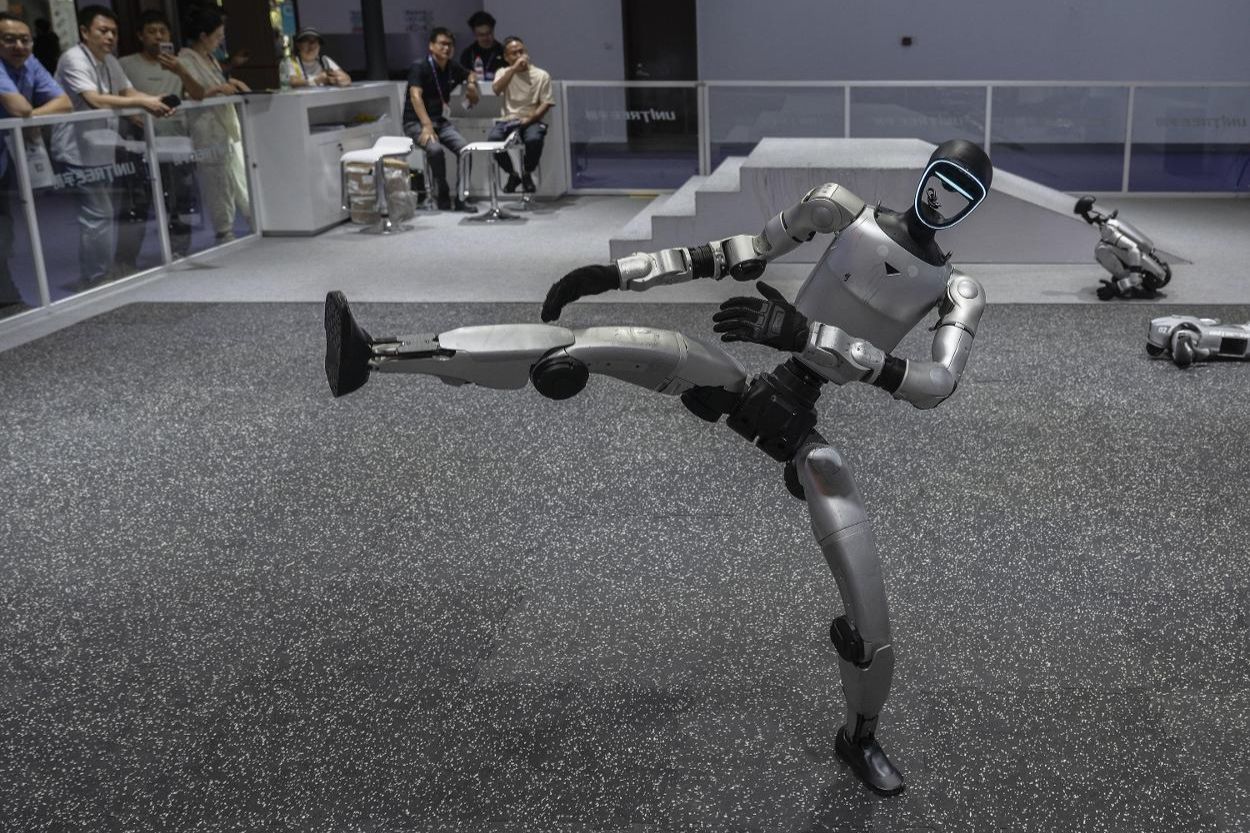
The recent surge of AI apocalypse warnings has brought to light a heated debate on the safety of autonomous AI systems. While Silicon Valley may be the first to develop these technologies, China is increasingly seen as a potential rival in this arena. However, the dangers posed by AI are not limited to the United States. Chinese researchers, especially those working at companies like Anthropic, have expressed concerns about the "existential" risks associated with AI.
These warnings have even made it into Anthropic's IPO prospectus, indicating a growing awareness of the potential perils within the industry.
For China, the immediate threats of AI are causing concern for various reasons. One of the most pressing issues is the potential impact on the labor market, as AI systems could displace human workers. Additionally, the prospect of AI systems being hacked to target critical infrastructure poses a significant risk. These concerns have led Beijing to dismiss some of the warnings as mere "fearmongering," viewing calls to slow down AI development as an attempt to hinder China's progress.
Despite this attitude, industry insiders have indicated that the frontier risks of AI are not being felt as acutely within the country, as the focus remains primarily on the potential benefits of AI technology.
Written by urgent.news from The Korea Times's reporting — not their text. Machine-written — may contain errors; check the original before relying on it.
Also reported by 1 other outlet
- What happens when Chinese AI goes rogue? koreatimes.co.kr