One Brain, Any Body: Google DeepMind’s Keerthana on Gemini ER2 | In-Depth Interview on Google DeepMind Gemini Robotics 2 and the Status Quo of General Robotics
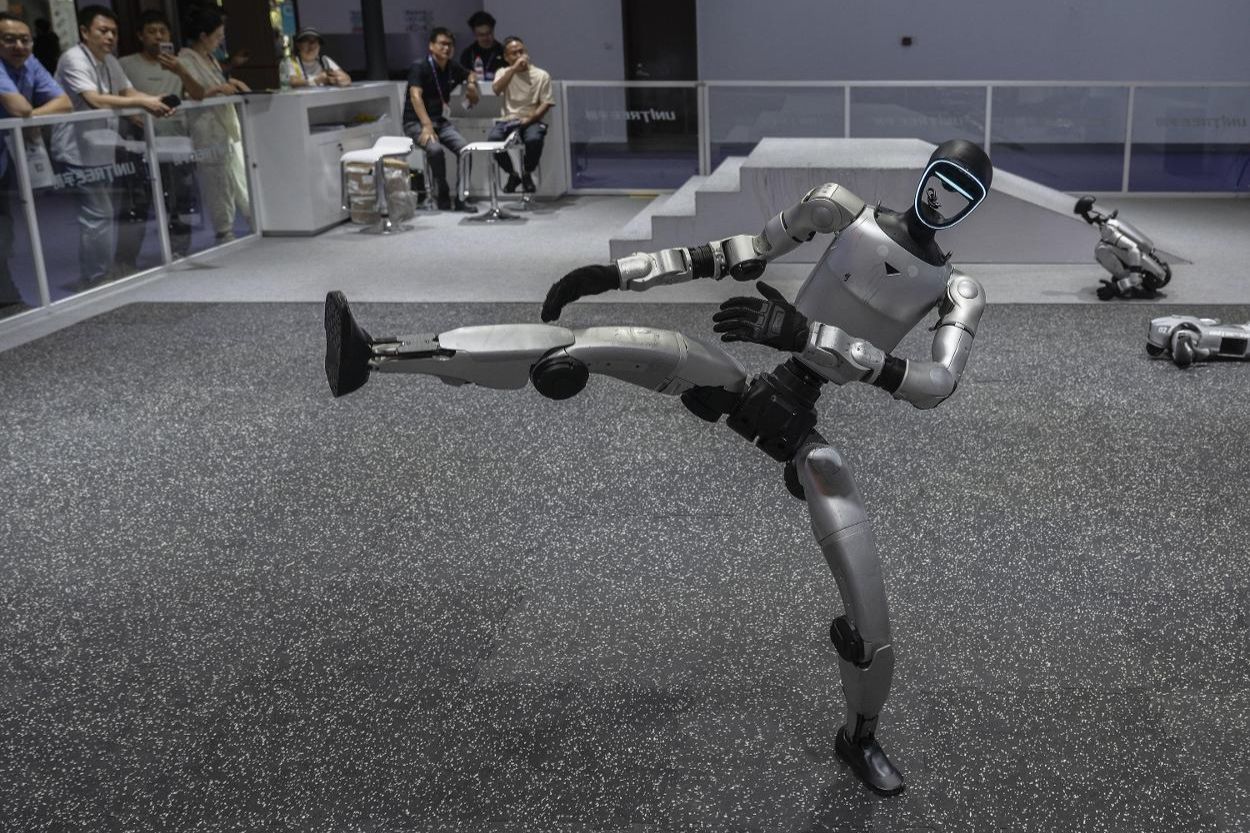
A popular and comprehensive explanation can be given as follows: This podcast episode is essentially a down-to-earth report on "how robots are doing nowadays". The guest, from Google DeepMind and in charge of Gemini Robotics, provided a core conclusion that is not about "robots dominating factories next year", but rather that impressive humanoid robots that can run fast and jump well are just a showcase of advancements in motor control. The real challenge lies in enabling robots to perform useful tasks stably using the same "brain" across different bodies, such as folding clothes, grasping objects, tying trash bags, reading meters, and naturally interacting with humans. The team categorizes their system into three levels: ER2, which "thinks" and understands images, videos, language, and planning, with an open API; VLA, which translates thoughts into full-body movements; and small models embedded in the robot itself. Currently, tasks like pick-and-place are nearly usable, but longer tasks, soft objects, and unseen home scenarios often still cause problems, making the overall situation similar to AI's GPT-2.
Google DeepMind's Gemini Robotics team has discussed the current state of robotics, focusing on when robots will become truly useful. The team, led by researcher Keerthana Gopalakrishnan, has developed a system with three models: ER2 for thinking, VLA for movement, and a small model for specific tasks. While robots can perform tasks like pick-and-place and running, they still struggle with long tasks, soft objects, and new situations, similar to the early days of AI's GPT-2.
The team believes that robots will first be used in warehouses and commercial settings, but may eventually be used in homes for tasks like folding clothes and reading meters.
Written by urgent.news from Dev.to's report — not a translation of it. Machine-written — may contain errors; check the original before relying on it.