Turning down the temperature in the Horn of Africa is good for the Middle East too
The importance of diplomacy in an increasingly volatile world may seem axiomatic. Nevertheless, when confronted by a regional neighbourhood in danger of unravelling – such as today’s Horn of Africa – it is worth highlighting how talking remains more critical than ever. This part of Africa, with its deep ties to neighbouring countries as well as the Middle East , cannot sustain further conflict.…
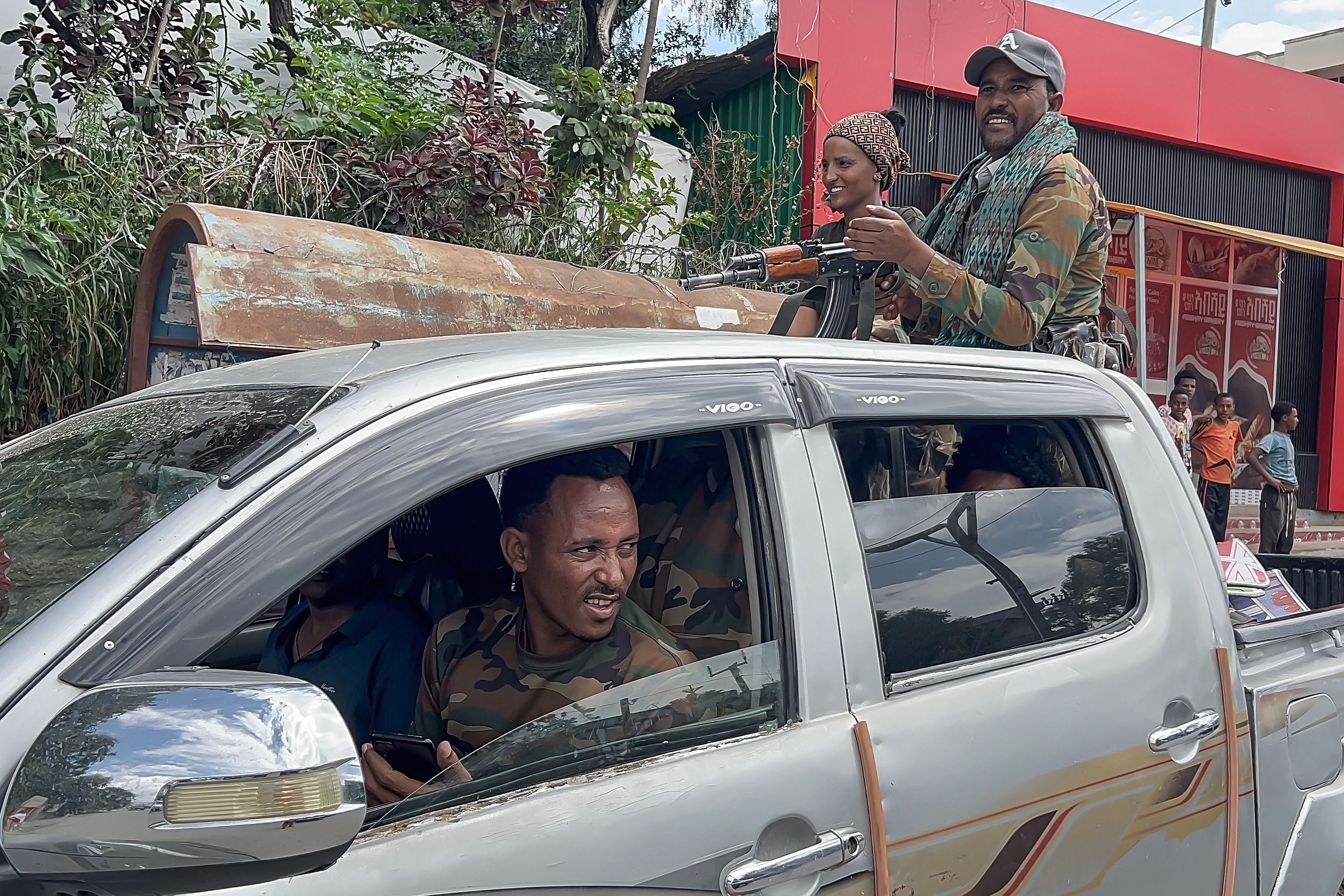
In the Horn of Africa, a region with strong connections to neighboring countries and the Middle East, persistent conflict threatens to derail any hope for stability. Recent fighting in Ethiopia, four years after the 2022 Pretoria Agreement ended a devastating war in Tigray, highlights the deep mistrust and national interests that continue to collide.
Accusations of support for armed groups from Egypt, Sudan, and Eritrea, denied by Addis Ababa, further fuel tensions. Meanwhile, Sudan grapples with a four-year civil war, while Somalia faces threats from armed radicals and state weakness.
This northeastern corner of Africa has become a patchwork of geopolitical zones and competing factions, making armed groups instruments in broader power struggles. They undermine institutions, flout borders, and drain resources and attention that could otherwise be invested in critical infrastructure like roads, ports, schools, healthcare, trade, and jobs.
The economic potential of the Horn of Africa and surrounding countries is immense, situated as it is on vital maritime routes and strategic positions. Conflict prevents the realization of this potential.
Peace offers tangible benefits, encouraging investment, fostering trade, creating jobs, and allowing governments to allocate more resources to development and less to military expenditures. Communities suffering from displacement and insecurity can begin to rebuild. The cumulative effect of interconnected crises in the Horn of Africa is not only vital for that region but also for the wider Middle East.
A four-way summit convened on Sunday in Alamein, bringing together leaders from Egypt, Eritrea, Somalia, and Sudan, underscores the urgency of the situation. However, diplomacy matters most when it includes parties from opposing sides, as Egypt and Ethiopia remain deeply divided over the Nile and the Grand Ethiopian Renaissance Dam.
Serious diplomatic efforts can help cool tensions at a time when they are rising sharply. For millions of people across this part of Africa, maintaining peace is now essential to prevent further bloodshed and missed opportunities.
Written by urgent.news from The National Business's reporting — not their text. Machine-written — may contain errors; check the original before relying on it.
This story
This is one outlet's version. Read the fullest account.
- Middle East crude oil exports exceed pre-war levels but tanker attacks increase brecorder.com
- Turning down the temperature in the Horn of Africa is good for the Middle East too thenationalnews.com
- Middle East crude oil exports exceed pre-war levels but tanker attacks increase thejakartapost.com
- Middle East crude oil exports exceed pre-war levels but tanker attacks increase investing.com
- Oil prices ease slightly as G7 and Middle East crude supplies set to hit market timesofindia.indiatimes.com
- Oil prices slip as rising Middle East exports, G7 reserves ease supply concerns thepeninsulaqatar.com