Trillions of ‘ghost particles’ pass through your body every second. The scientist who hunts them just won the Nobel Prize
Francis Halzen turned Antarctic ice into a giant detector for elusive neutrinos, with sensors buried 8,200 feet below the surface.
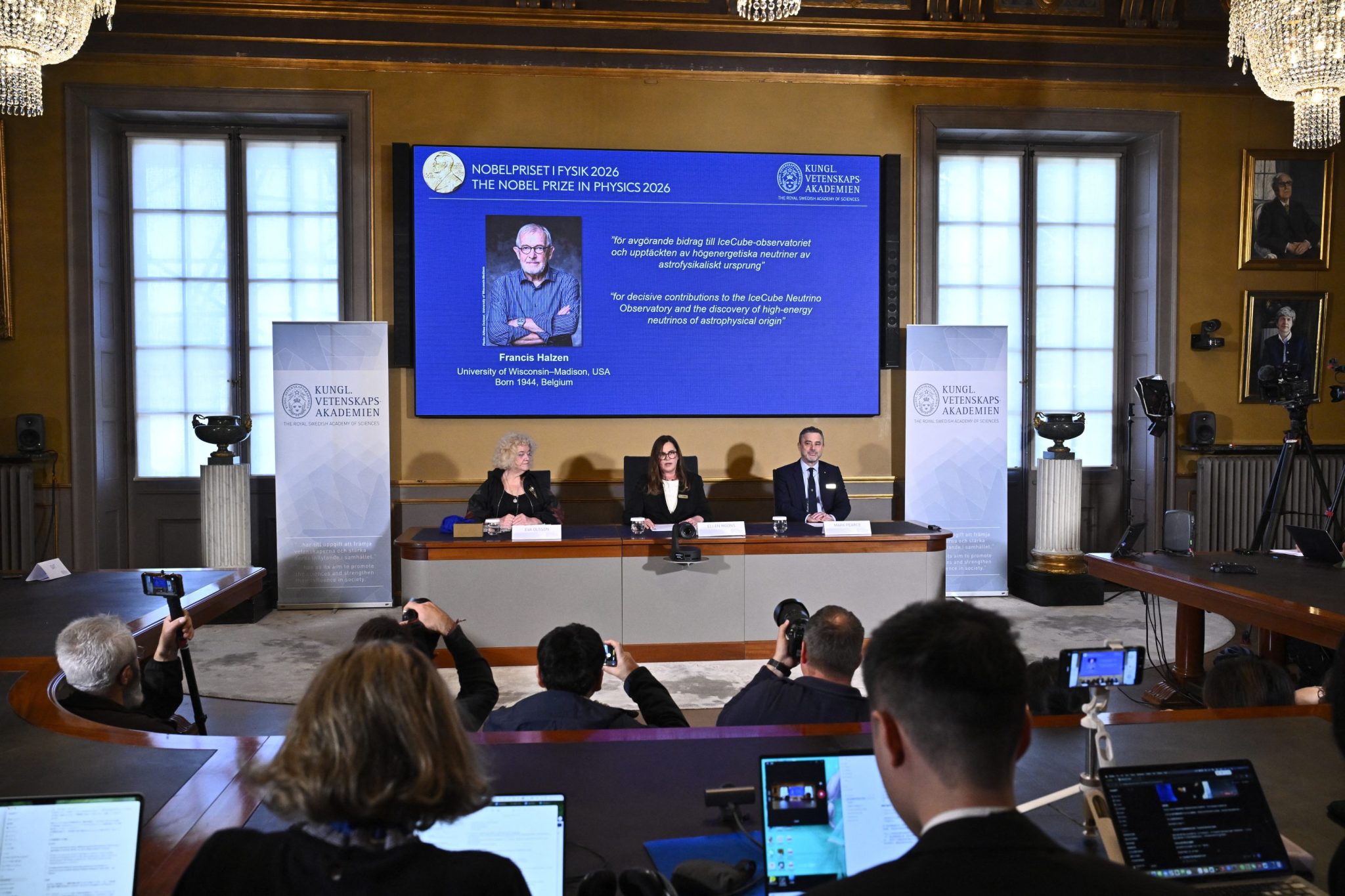
Belgian physicist Francis Halzen received the Nobel Prize in Physics for his groundbreaking work on neutrinos, elusive cosmic particles that provide insight into the universe's evolution. The 82-year-old Halzen, a professor at the University of Wisconsin–Madison, was awarded the prize for his pioneering efforts to detect these minuscule particles using the IceCube Neutrino Observatory in Antarctica.
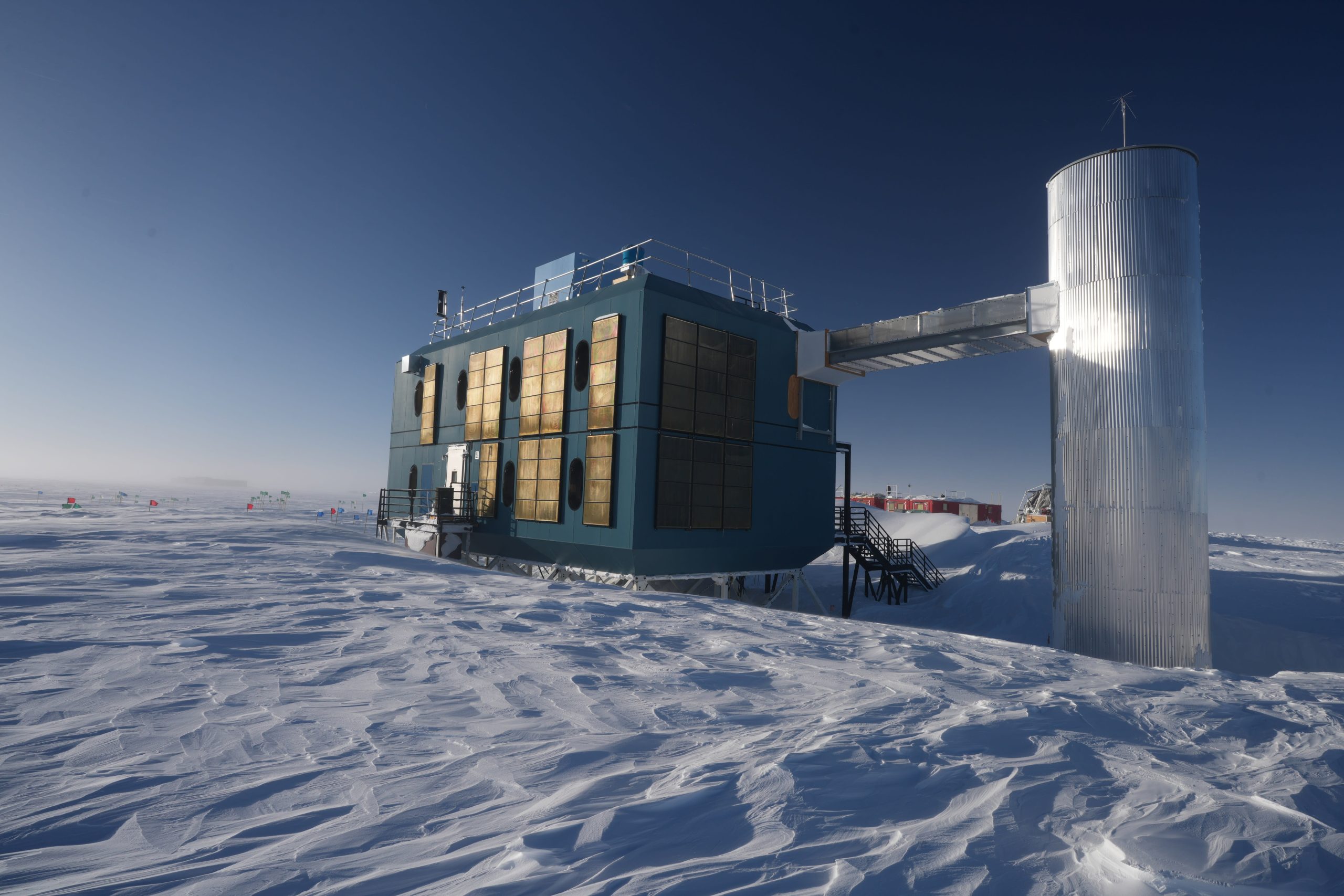
Neutrinos, which pass through our bodies undetected at a rate of trillions per second, are notoriously challenging to observe due to their lack of charge and minuscule mass. Halzen devised the innovative idea of transforming the vast Antarctic ice into a detector, which enabled scientists to capture brief flashes of light produced when neutrinos collide with ice molecules.
These flares, detected by sensors buried 8,200 feet beneath the surface, allowed researchers to unravel the mysteries of high-energy neutrinos originating from distant galaxies. The IceCube Neutrino Observatory has revolutionized our understanding of the cosmos by offering a novel perspective on these enigmatic particles.
Written by urgent.news from Fortune's reporting — not their text. Machine-written — may contain errors; check the original before relying on it.