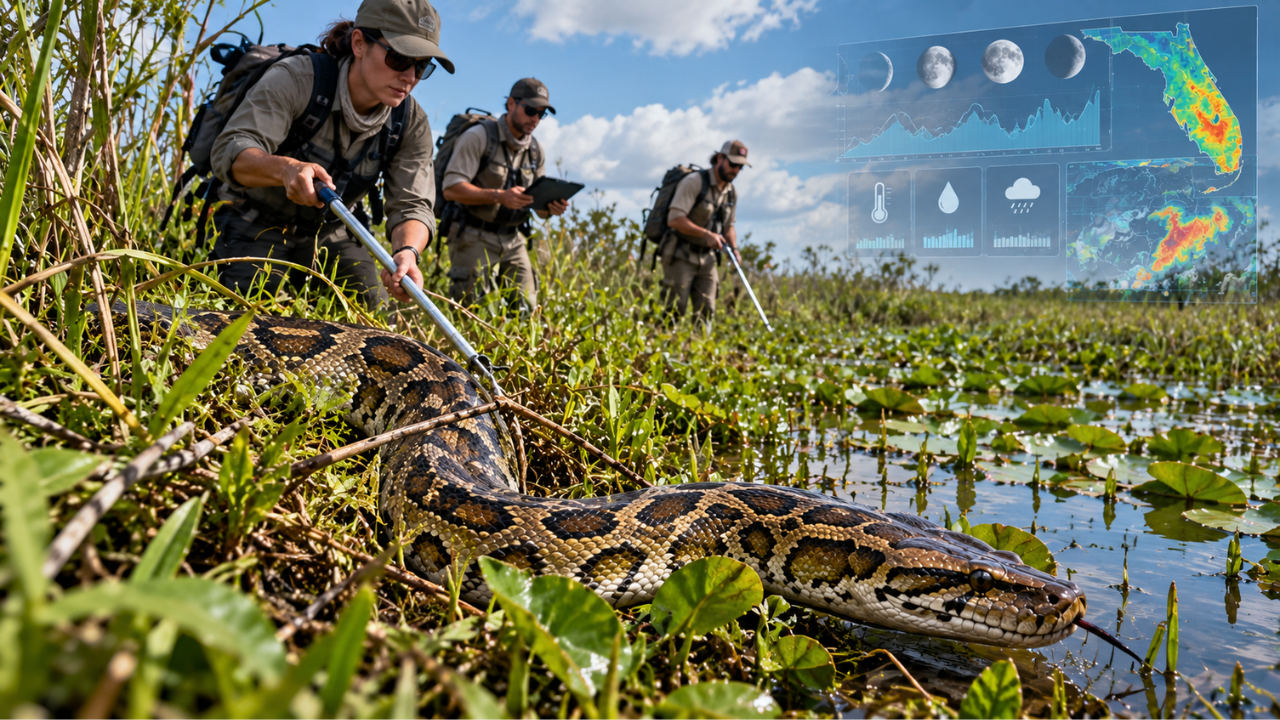
Science, Indigenous knowledge team up to restore Canada’s kelp. (Sea otters help, too.)
Emily Fulton spends a lot of time in a small boat cruising the waters of Clayoquot Sound off the west coast of Vancouver Island in British Columbia, Canada. As the marine program manager for the nonprofit Redd Fish Restoration Society, she regularly checks on a newly created kelp nursery growing within the traditional territory of […]
Emily Fulton, the marine program manager for the Redd Fish Restoration Society, dedicates much of her time to cruising the waters of Clayoquot Sound, located off the west coast of Vancouver Island in British Columbia, Canada. As the project's coordinator, she frequently monitors the growth of a newly established kelp nursery within the traditional territory of the Tla-o-qui-aht First Nation.
According to Fulton, the nursery has successfully cultivated more than 4,200 square meters (45,200 square feet) of kelp habitat since its inception in early 2026, an area equivalent to three and a half Olympic-size swimming pools. The nursery focuses on growing baby bull kelp (Nereocystis luetkeana) and giant kelp (Macrocystis pyrifera) on four lines, each measuring 330 meters (1,083 feet) in length.
These lines are submerged beneath the water's surface and shielded from seafloor predators such as sea urchins. As the kelp matures, a portion of it is carefully transplanted to various sites across Clayoquot Sound, with the goal of restoring degraded kelp forests and establishing new ones. The project required nearly 250,000 Canadian dollars in funding, which was sourced from multiple entities, including the provincial government, World Wildlife Fund Canada, and the Clayoquot Biosphere Trust.
Collaborating with Redd Fish on this initiative is West Coast Kelp, a business committed to kelp restoration efforts.
Written by urgent.news from Mongabay's reporting — not their text. Machine-written — may contain errors; check the original before relying on it.