La herencia envenenada de Sánchez en la vivienda
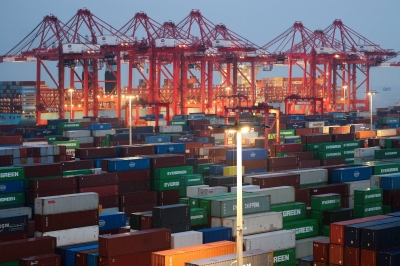
Es un hecho incontestable que cuando Sánchez llegó a La Moncloa el mercado inmobiliario español funcionaba muchísimo mejor que ahora. Leer
The inheritance of Sanchez's controversial legacy in housing is a tangible fact. When Sanchez arrived at La Moncloa, the Spanish real estate market was in much better shape than it is now. The economy had recovered from the crisis, housing production had increased to meet the growing number of households, and banks were financing generously again.
It was peculiar to see Sanchez in 2019, before becoming a government member, stating that housing demands from his Podemos partners were unattainable due to market intervention that complicated property owners' situations. Yet, his first term ended with the approval of the Right to Housing Law, the great achievement that the extreme left hailed as their electoral flag for the 2023 election.
How did they achieve it? It was the most important internal battle of the left throughout the legislature. The PSOE initially opposed but ultimately accepted their demands, along with other parties of the ultra-left that supported the government. Sanchez claimed this as his own flag and incorporated it into his promise. This marked the beginning of a new era, initiating the current legislature by announcing the creation of a Ministry of Housing, led by Isabel Rodríguez, despite her lack of experience in the sector or private activities.
Their first move was to publish the State Index of Rental Prices and Tensioned Zones, a star measure of the communist law, which would only apply in communities governed by the PSOE. This measure quickly affected housing supply in Catalonia, causing a sharp decline in rental listings and over 300 applications per housing unit, triple the number before its implementation.
Despite this, it helped the opposition when Sanchez presented a reform of the Land Law in May 2024, aiming to provide legal security for urban transformation. This reform could have gained support from the main parties in the chamber, but its passage was blocked when the PP announced they wouldn't support its endorsement.
Written by urgent.news from Expansion ES's reporting — not their text. Machine-written — may contain errors; check the original before relying on it.