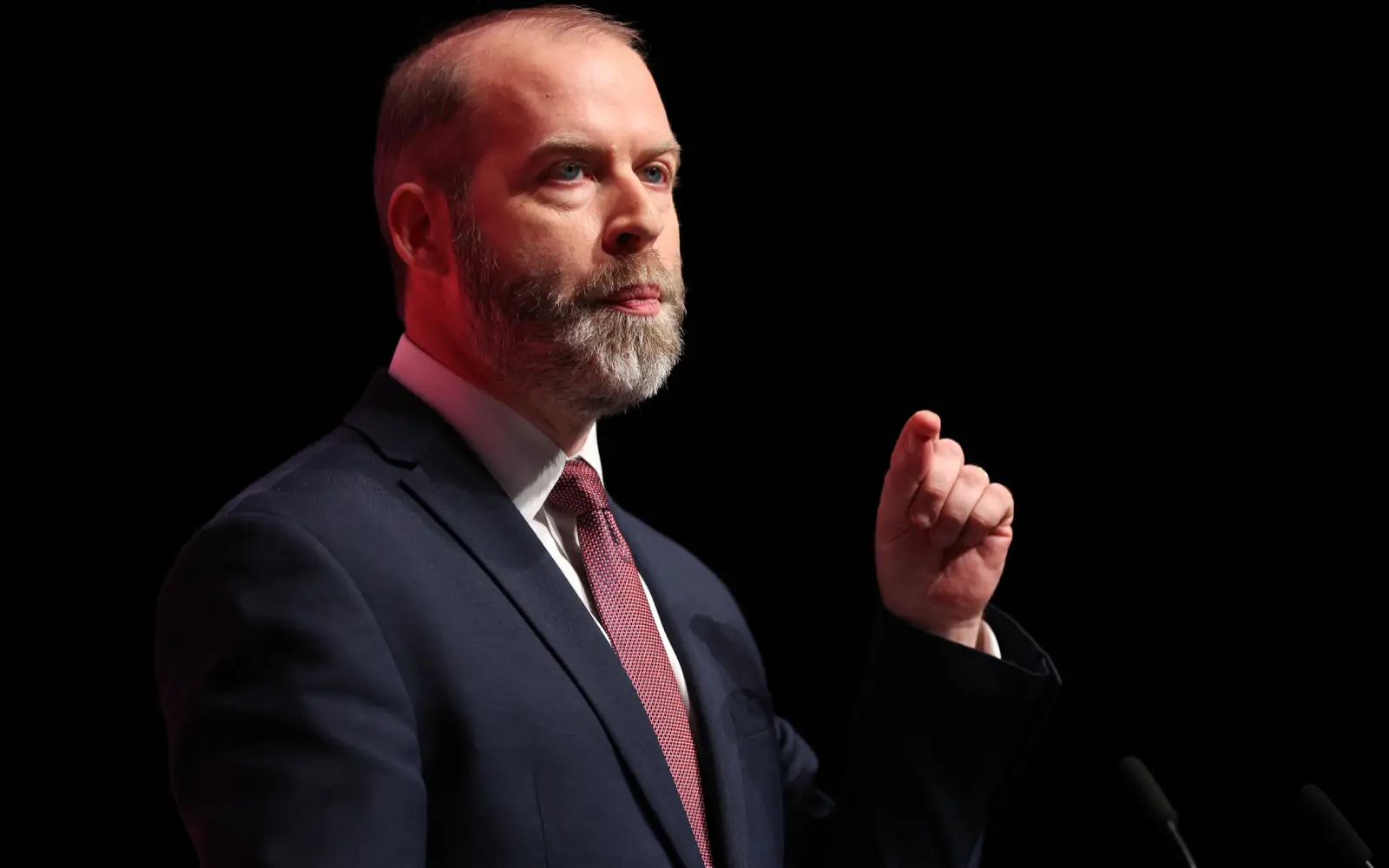
Daniel Moses: Making the Case for Structured, Fractional Real Estate Ownership
For generations, Africans have pooled resources through Ajo, Esusu, Susu, Chamas and cooperatives to achieve shared financial goals. Dr Daniel Moses believes that same principle can be extended to property
Dr Daniel Moses, chairman and founder of Property Wealth Corporation and Cross Border Consult International, has written a book titled Fractional Real Estate to promote a different approach to property ownership. The inspiration behind his work came from the observation that many Nigerians and Africans aspire to own property, yet traditional methods require substantial capital to purchase an entire asset.
Moses argues that structured collective ownership can make property investment more accessible by enabling groups of people to pool their resources and invest together in quality assets.
To clarify the concept of fractional real estate, Moses explains that it involves several individuals contributing capital to own a share of a property rather than one person buying the entire asset. This ownership model requires a well-defined asset, proper legal documentation, clear ownership rights, governance, financial reporting, and professional management.
The key difference between traditional ownership and fractional ownership is that the latter distributes ownership rights and responsibilities among multiple parties.
Moses contends that the high cost of acquiring property can be reduced by reevaluating ownership structures. While it is true that property prices have risen and incomes have not kept pace, he suggests that exploring alternative ownership models can help lower financial barriers without compromising on due diligence, governance, or investor protection.
In Africa, collective capital has been a part of community traditions for generations, with various names such as Ajo, Esusu, Susu, Chama, and cooperatives. Moses believes that these existing practices can serve as a foundation for professionalizing collective ownership in Africa, combining traditional pooling of resources with modern legal ownership, governance, and investor protection mechanisms.
Written by urgent.news from This Day's reporting — not their text. Machine-written — may contain errors; check the original before relying on it.