Mastercard Champions a More Connected Digital Future For Africa at GITEX Nigeria 2026
As Africa’s digital economy continues to evolve, the conversation is shifting from adoption to value creation. At GITEX Nigeria 2026, held in Abuja and Lagos from August 31 to
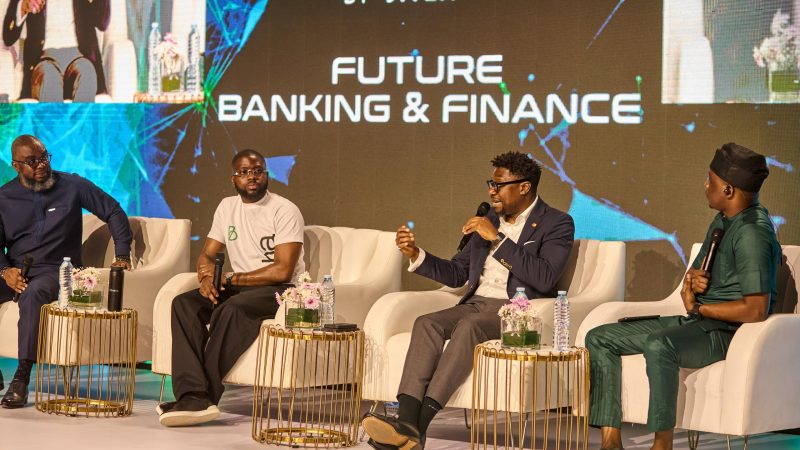
At the GITEX Nigeria 2026 event held from August 31 to September 3 in Abuja and Lagos, Mastercard emphasized the need for a more interconnected digital future in Africa. The company's executives discussed key building blocks such as interoperability, financial innovation, local capability, and cybersecurity to foster a digital economy that is both inclusive and trusted.
Mastercard also showcased its exhibition booth, which featured engagements with prominent stakeholders, including the Deputy Governor of Lagos State and the U.S. Consul General. These interactions underscored the significance of public and private sector collaboration in building a more connected and prosperous digital landscape across Nigeria and throughout Africa.
Africa has already made substantial investments in critical areas like digital identity, real-time payments, and digital government platforms. However, the next step is to ensure these systems work together seamlessly. Identity verification, service delivery, and financial transactions can be more efficient and user-friendly when they are interoperable.
Businesses can also benefit from digital transactions by creating records that help establish financial profiles, opening doors to credit and other financial services. Kari Tukur, Mastercard's vice president for Core Payments, West Africa, highlighted the importance of designing these systems to work together from the beginning, stating that interoperability is crucial for delivering seamless digital experiences to citizens and businesses alike.
Mastercard's Community Pass is a prime example of how connected digital infrastructure can empower underserved communities. By providing secure digital credentials, this platform links rural populations with financial institutions, governments, and service providers. This connectivity aids farmers and small traders in building digital profiles that facilitate access to payments, markets, and financial tools.
While global partnerships remain vital for accessing technology, infrastructure, and expertise, the ultimate goal should be to bolster local skills, infrastructure, innovation, and businesses. This long-term vision was explored during a discussion on "What the Digital Future Requires – From Dependency to Ownership," featuring Olusola Olakanmi, Mastercard's vice president for Account Management and head of Sales, West Africa.
Olakanmi stressed that while collaborations with global technology firms are essential for accelerating access to resources, their true impact lies in strengthening local capabilities, building infrastructure, and fostering economic opportunities for African businesses.
Written by urgent.news from This Day's reporting — not their text. Machine-written — may contain errors; check the original before relying on it.