Chinese team creates ‘lifelike’ hydrogel that changes shape for smart devices
Chinese researchers have developed a “lifelike” shape-changing hydrogel they say could provide a platform for next-generation developments, such as flexible tissue engineering scaffolds, brain-computer interfaces and humanlike robots. Inspired by living organisms, the team created a light-triggered system called STERS, which uses liquid metal particles to generate slow, self-sustaining chemical…
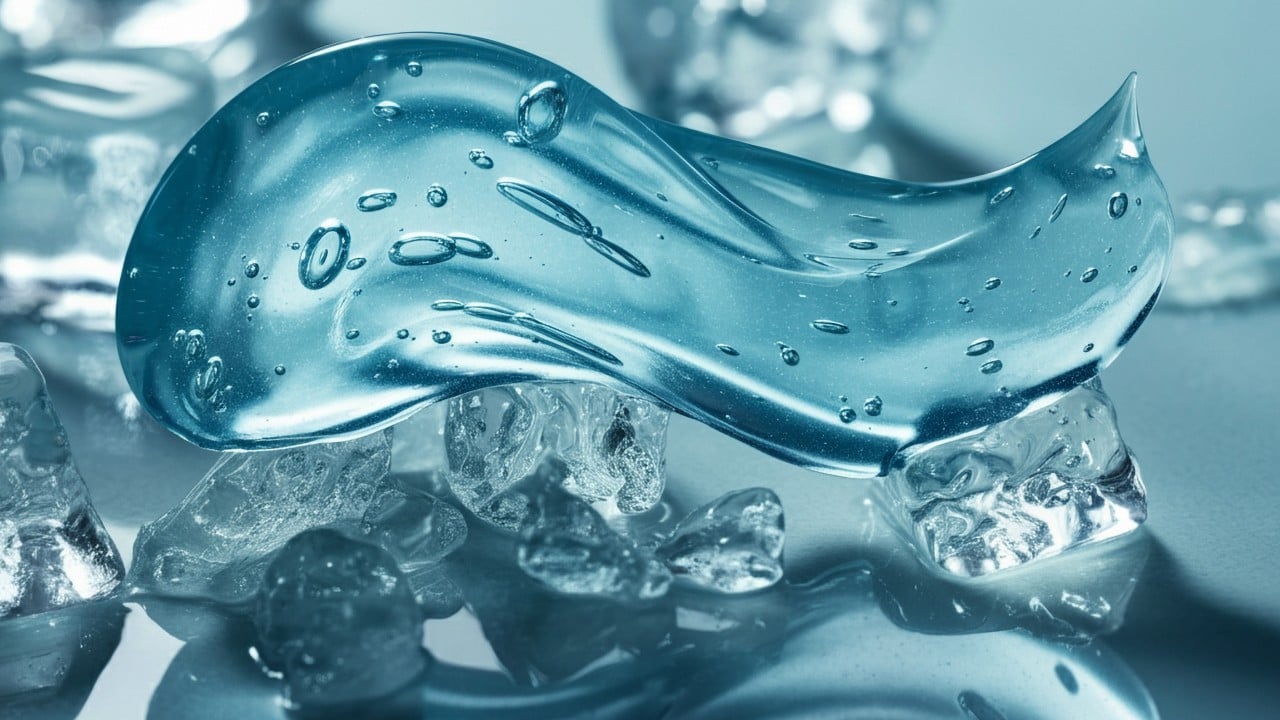
Chinese researchers have developed a "lifelike" shape-changing hydrogel that could pave the way for groundbreaking advancements in various fields, such as tissue engineering, brain-computer interfaces, and humanlike robots. Drawing inspiration from living organisms, the team created a light-triggered system called STERS, which employs liquid metal particles to generate slow, self-sustaining chemical reactions that enable the hydrogel to morph its structure over time.
The adaptive nature of this system could inspire future biomedical materials and devices, particularly in regenerative medicine and soft robotics.
The researchers, led by Du Xuemin, a professor at the Chinese Academy of Sciences' Shenzhen Institutes of Advanced Technology, explain that the STERS system - or "spatiotemporally evolving reactive species" - integrates gallium-based liquid particles that produce reactive species and vinyl monomers to drive the production and polymerization of the hydrogel, giving it the ability to morph. The system is activated by near-infrared light, with a single exposure sustaining its functionality for up to four weeks.
In tests, the hydrogel successfully guided stem-cell differentiation into bone and neural-like cells, and it was also used to modify the surface of a brain-machine interface electrode to monitor how electrical signals evolve during rat embryo development. This allows for precise detection of changes in brain waves, offering a new method for studying brain activity during embryonic development and advancing the field of brain science.
The transformation rate and magnitude of this hydrogel can be customized to mimic the pace of embryonic brain changes, which are well-documented in scientific literature. However, the researchers acknowledge the safety concerns associated with liquid metals, which can pose biological risks to tissue. To address this, they packaged the materials using a sandwich structure to securely encapsulate the material and prevent leaks into surrounding tissue.
Du Xuemin believes that the STERS system has potential applications in various fields beyond its current uses. For instance, to create more human-like robots, the system could enhance their sensing capabilities, skin, and physical characteristics to align more closely with those of humans. The hydrogel's color-changing properties could also serve as a long-term visual indicator, while the research team notes that further optimization is needed for long-term clinical applications, such as precisely matching the material's transformation timeline to specific tissues and achieving on-demand control of the transformation process using external stimuli.
Written by urgent.news from Reuters Business via SCMP's reporting — not their text. Machine-written — may contain errors; check the original before relying on it.
This story
This is one outlet's version. Read the fullest account.