Chinese team creates ‘lifelike’ hydrogel that changes shape for smart devices
Chinese researchers have developed a “lifelike” shape-changing hydrogel they say could provide a platform for next-generation developments, such as flexible tissue engineering scaffolds, brain-computer interfaces and humanlike robots. Inspired by living organisms, the team created a light-triggered system called STERS, which uses liquid metal particles to generate slow, self-sustaining chemical…
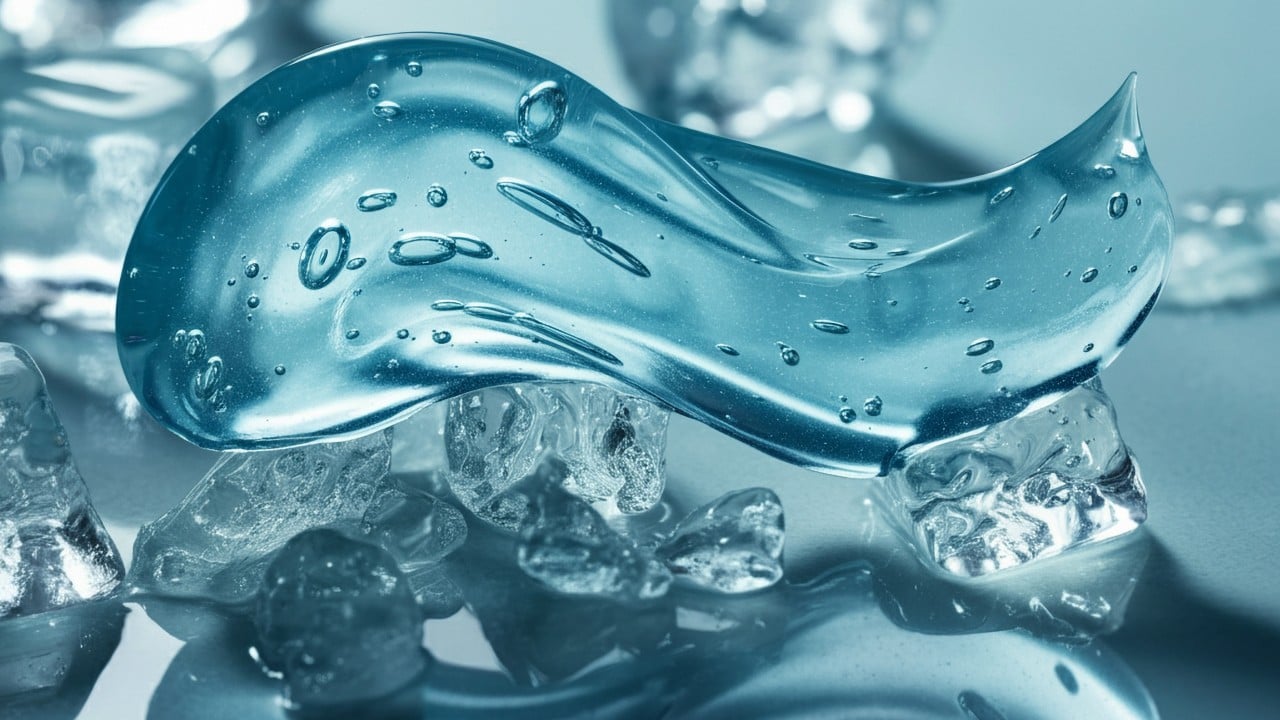
Chinese scientists have developed a remarkable "lifelike" shape-changing hydrogel that could revolutionize various technologies, including flexible tissue engineering scaffolds, brain-computer interfaces, and humanlike robots. The team, led by professor Du Xuemin from the Chinese Academy of Sciences’ Shenzhen Institutes of Advanced Technology, created a light-triggered system called STERS.
This innovative system uses liquid metal particles to generate slow, self-sustaining chemical reactions, enabling the hydrogel to morph its structure over time.
The STERS system, short for "spatiotemporally evolving reactive species," integrates gallium-based liquid particles that produce reactive species and vinyl monomers, driving the polymerisation of the hydrogel and allowing it to change shape. The system is activated by near-infrared light and remains active for up to four weeks after a single exposure.
The team's research, published in the peer-reviewed journal Matter on September 4, highlights the hydrogel's potential applications in fields such as regenerative medicine and soft robotics.
Du Xuemin explained that living organisms rely on physical structural changes, such as color changes and directional growth, to adapt, grow, and evolve. Inspired by these natural processes, the STERS system mimics the slower, long-term morphological transformations seen in biological systems, such as wound repair and embryonic development. The researchers used the hydrogel to guide stem-cell differentiation into bone and neural-like cells, demonstrating its potential in tissue engineering and brain-machine interfaces.
While the material's transformation rate and magnitude can be tailored to match embryonic brain changes, safety considerations remain. Liquid metals used in the system may pose biological risks to tissue, so the team developed a sandwich structure to safely encapsulate the material and prevent leaks. Despite these challenges, the STERS system holds promise for robotics, sensing applications, and long-term clinical use in tissue engineering and brain-machine interfaces.
Written by urgent.news from South China Morning Post's reporting — not their text. Machine-written — may contain errors; check the original before relying on it.