California scientist wins a Nobel Prize, then makes school lunches for his kids
STANFORD, Calif. — Dr. Karl Deisseroth spent hours fielding congratulatory calls after learning early Monday that he had won a Nobel Prize for medicine for helping to open a new field of brain science called optogenetics. But it wasn't long before the California scientist asked for a break from all the attention for a more ordinary task: He needed to make school lunches for his children, who were…
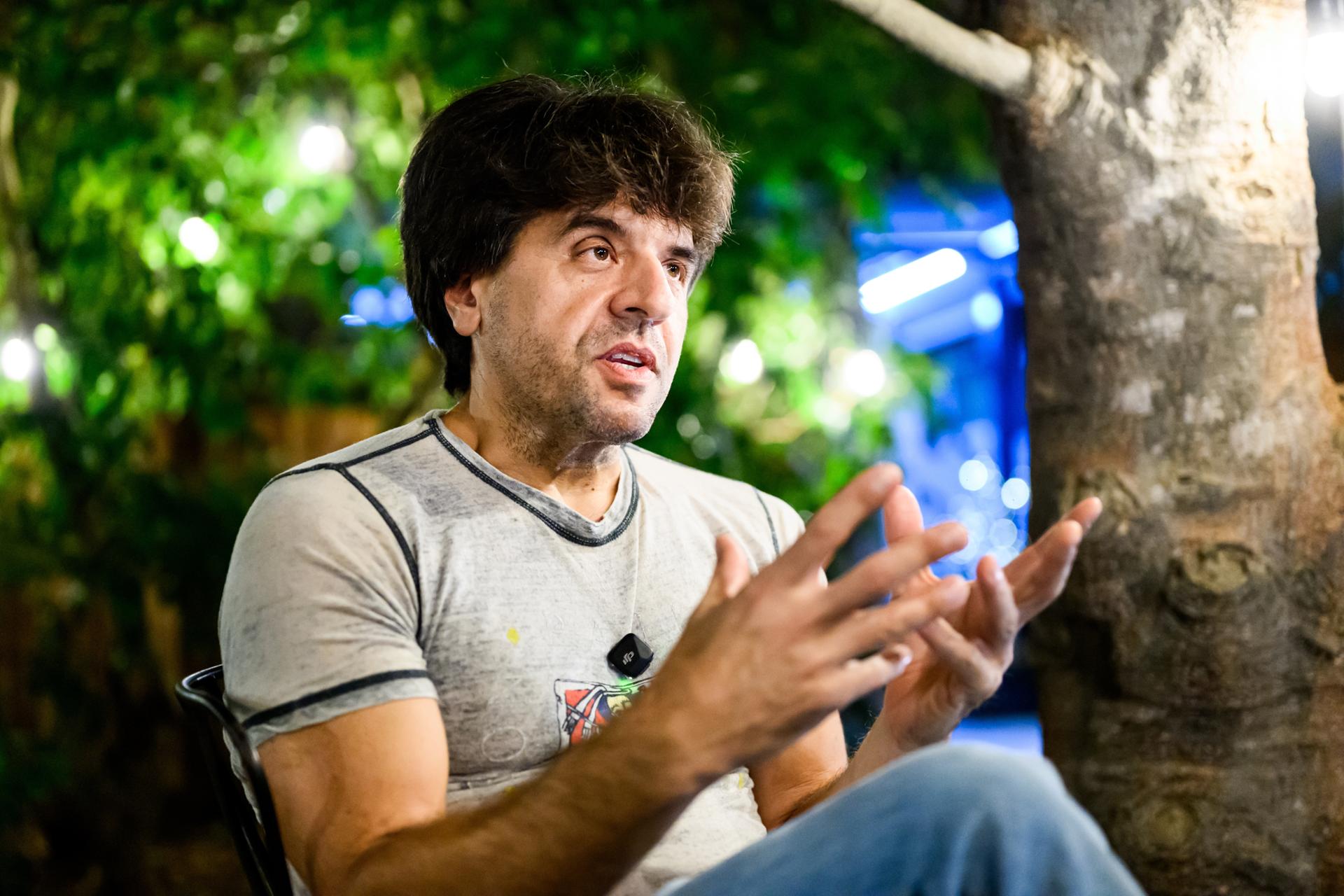
Stanford, California — After winning a Nobel Prize in medicine for his work on optogenetics, Dr. Karl Deisseroth, 54, was inundated with congratulatory calls early Monday. However, the California scientist quickly requested a pause from the attention to focus on a more mundane task: preparing school lunches for his children who were asleep at their home in Stanford.
Optogenetics, a field Deisseroth shares with two German researchers in the 2021 Nobel Medicine Prize, merges light with genes to control neurons in living brains. As a self-proclaimed night owl who frequently works past midnight, Deisseroth often lies down to rest after reviewing papers and emailing students. When he received the unexpected phone call from the Nobel Assembly in Stockholm, he admitted feeling momentarily overwhelmed by the sudden flood of words.
Written by urgent.news from The Korea Times's reporting — not their text. Machine-written — may contain errors; check the original before relying on it.
This story
This is one outlet's version. Read the fullest account.
- US, German scientists win Nobel medicine prize for optogenetics breakthrough malaymail.com
- California scientist wins a Nobel Prize, then makes school lunches for his kids gulfnews.com
- California scientist wins a Nobel Prize, then makes school lunches for his kids phys.org
- US, German scientists win Nobel medicine prize for optogenetics sabcnews.com
- California scientist wins a Nobel Prize, then makes school lunches for his kids koreatimes.co.kr