Skull fractures suggest servants of Egypt’s ancient kings were sacrificed
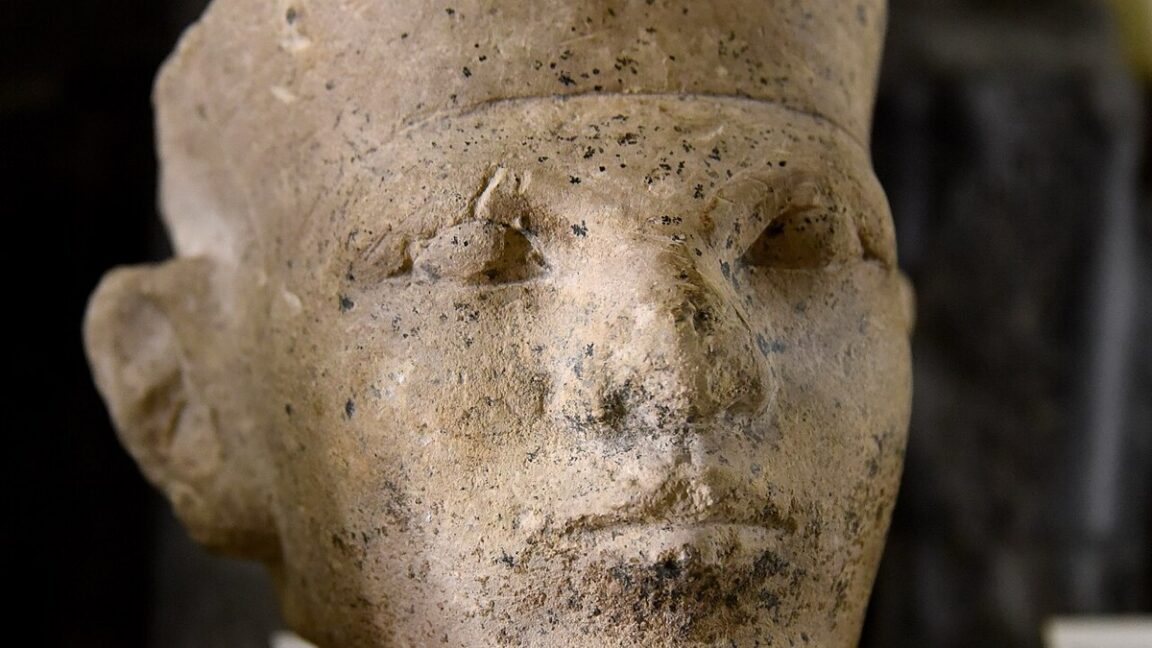
Study of remains taken from royal cemetery at Umm el-Qa’ab appears to confirm early Egyptologist’s theory Court officials and craftspeople serving early Egyptian kings may have been sacrificed when their ruler died, according to research that found fractures in several ancient skulls. The royal cemetery of Umm el-Qa’ab near Abydos features the tombs and enclosures of the First Dynasty rulers of…
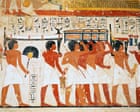
Research published in the journal Frontiers in Environmental Archaeology suggests that servants of ancient Egyptian kings may have been sacrificed when their ruler died. Skull fractures found in remains from the royal cemetery of Umm el-Qa’ab near Abydos support this theory. The cemetery, dating back to 3,000 BC, contains tombs and enclosures of First Dynasty rulers, as well as graves believed to belong to individuals associated with the royal households.
Dr. Roselyn Campbell of Purdue University analyzed the skulls of 46 retainers from graves surrounding the funerary enclosures of three different royals – King Djer, King Djet, and Queen Merneith. Of these skulls, 18 exhibited signs of potentially lethal trauma, such as fractures and a chopping injury to the eye. Campbell believes that the trauma could have been caused by flat, wide objects like wood or antler, rather than a mace.
She notes that while it is impossible to determine conclusively if all the retainers were sacrificed, the small sample size suggests that the practice may have been limited and short-lived. Egyptologists have previously suggested that retainers might have been buried alive or reburied later, but Campbell's research provides new evidence.
The practice of sacrificing retainers appears to have ceased with the beginning of the Second Dynasty.
Written by urgent.news from The Guardian's reporting — not their text. Machine-written — may contain errors; check the original before relying on it.