New forensic evidence supports Egyptian "retainer sacrifice"
Fresh analysis of First Dynasty mass burials finds signs of fatal blunt force trauma on 39 percent of skulls
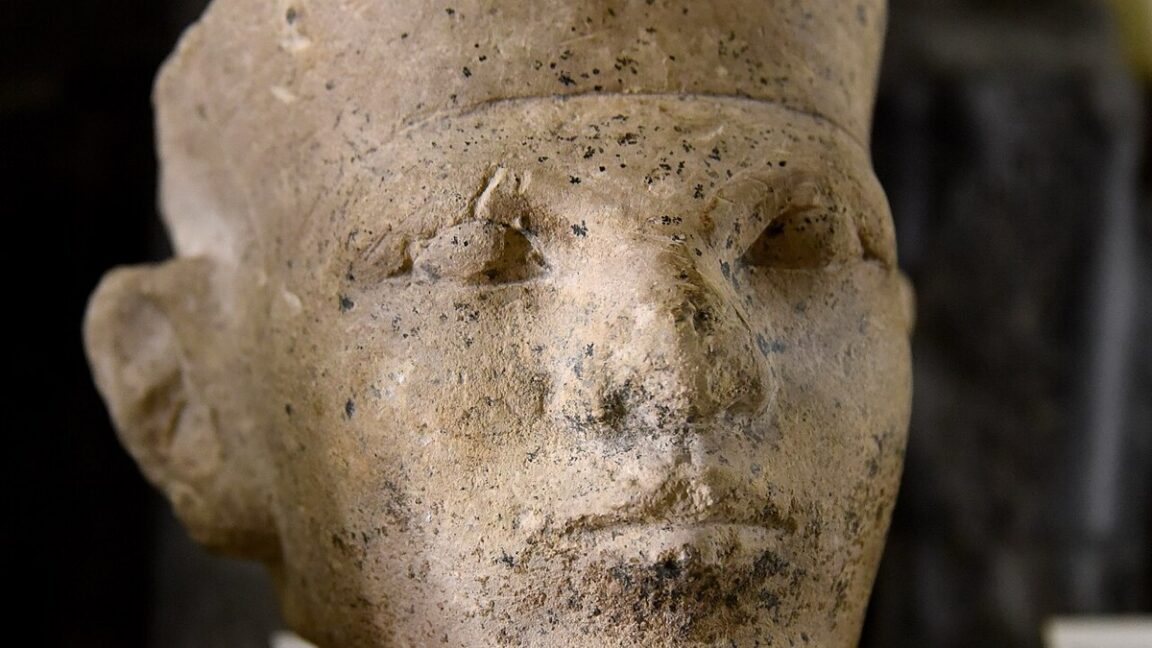
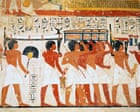
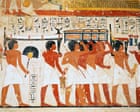
A new study published in the journal Frontiers in Environmental Archaeology has reignited the debate over whether Egypt's earliest pharaohs were buried with their servants and officials as part of a practice called "retainer sacrifice." Egyptologists have long speculated about this phenomenon, but there is scant archaeological evidence due to the looting and often hasty excavations of ancient tombs.
A bioarchaeologist from Purdue University, Roselyn Campbell, has analyzed a collection of skulls excavated from tombs in the 1920s. Her findings suggest that over one-third of these skulls exhibit evidence of blunt force trauma, which could indicate that they were victims of retainer sacrifice. Campbell, who is fascinated by the history of human sacrifice, emphasizes the importance of understanding the context in which violence is practiced in different cultures. She cautions against imposing modern definitions of violence onto ancient societies.
Campbell notes that there are two opposing camps when it comes to the debate over retainer sacrifice: one that firmly believes it occurred, and another that maintains it did not. However, she points out that re-evaluation of the existing bone samples could provide new insights, given the significant advancements in forensic science over the last century. The challenge lies in the fact that older remains are often incomplete and have been modified for preservation, resulting in the loss of crucial forensic data.
Written by urgent.news from Ars Technica's reporting — not their text. Machine-written — may contain errors; check the original before relying on it.
Also reported by 1 other outlet
- New forensic evidence supports Egyptian "retainer sacrifice" arstechnica.com