“Phone bombing”: How ‘pranking as a service’ harasses victims
Multiple fake messages or calls in under a minute. Victims and abusers of ‘phone bombing’ reveal a freely available tool of digital harassment.
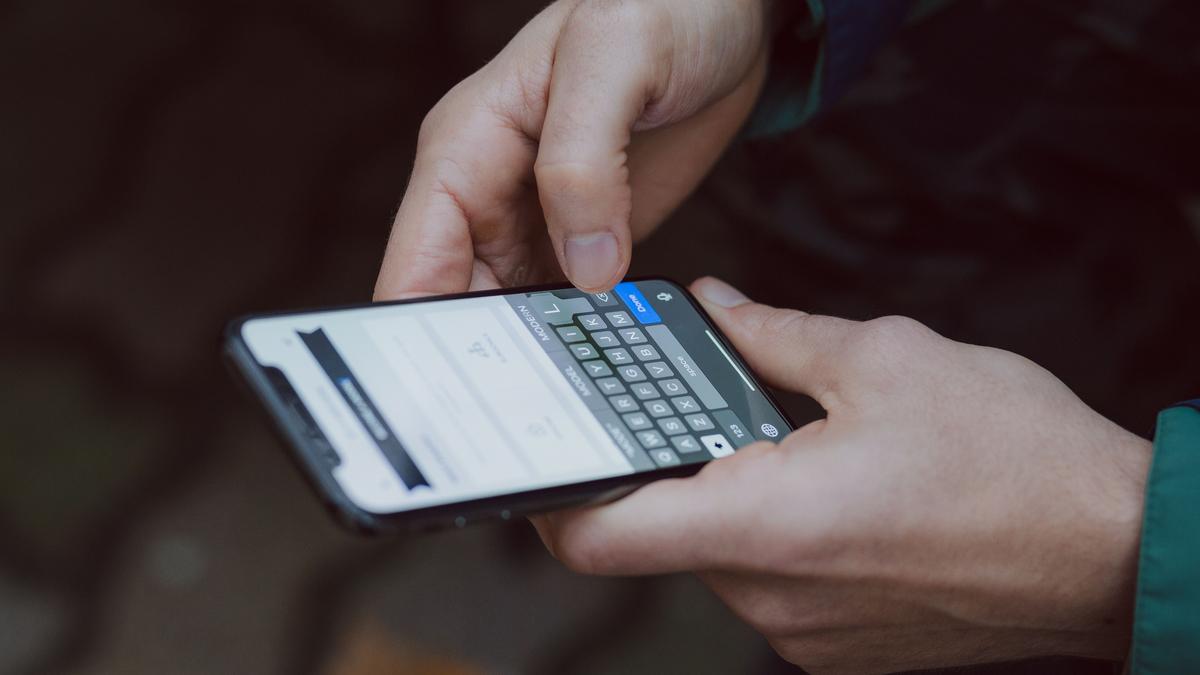
The article "Phone bombing": How 'pranking as a service' harasses victims discusses the rising trend of 'phone bombing', where individuals bombard someone's phone with automated calls and messages. This prank service, available on various websites, allows users to send up to 1000 calls per hour, providing an anonymous and seemingly harmless form of entertainment.
However, victims often experience significant distress, with some receiving fake OTPs from popular apps like Meesho, Rapido, and Uber. The service gained attention when two unnamed individuals, Prashasti and Aryan, shared their experiences. Prashasti received 50-80 OTP messages during a class, while Aryan targeted his teacher in retaliation for their irritating lectures.
Both victims reported feeling frustrated and scared during the attacks. Lawyers have confirmed that phone bombing is illegal under various sections of the IT Act, including Section 43 and Section 66, which can result in imprisonment and fines. However, victims cannot determine which website was used to harass them. There is no global website to protect users from all such attacks, and the perpetrators often resurface on Telegram channels, selling fake subscribers and promoting the service.
Written by urgent.news from The Hindu - Sci-Tech's reporting — not their text. Machine-written — may contain errors; check the original before relying on it.